[ Marina Dai ]
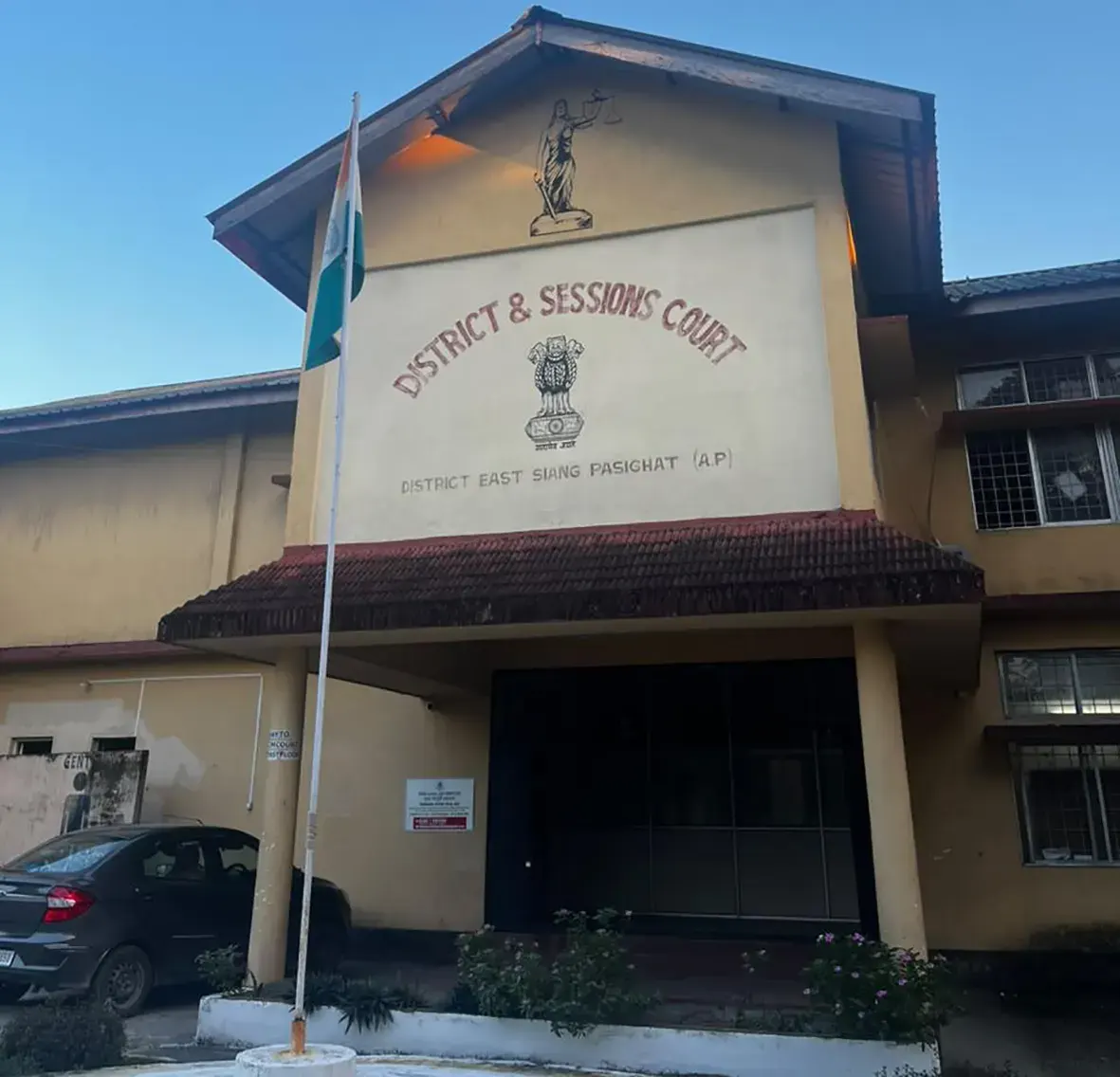
PASIGHAT, 16 Oct: The Court of Sessions Judge in East Siang district has granted interim protection from arrest to 13 applicants named in two cases registered at Boleng Police Station in connection with protests against the proposed Siang Upper Multipurpose Project (SUMP) while four continue to languish under Arunachal Pradesh Unlawful Activities (Prevention) Act.
The orders, passed on 14 October, concern Boleng Police Station Case Nos 22/2026 and 24/2026. The court granted interim protection pending the production of the case diary and further consideration of the bail applications.
Advocate Sunny Tayeng, who is representing the applicants, said more than 15 bail applications had been filed in connection with the two cases. Most were anticipatory bail applications.
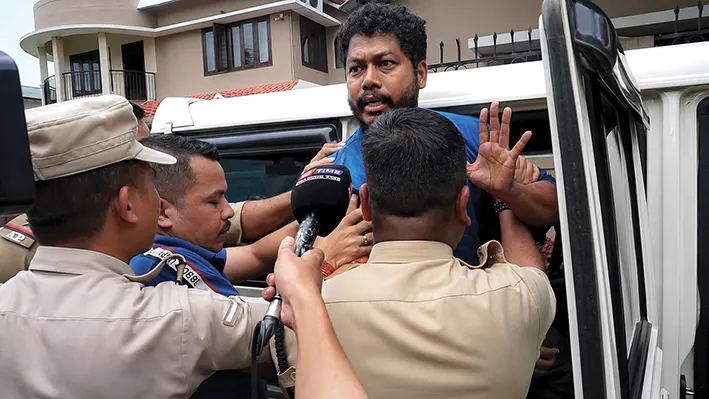
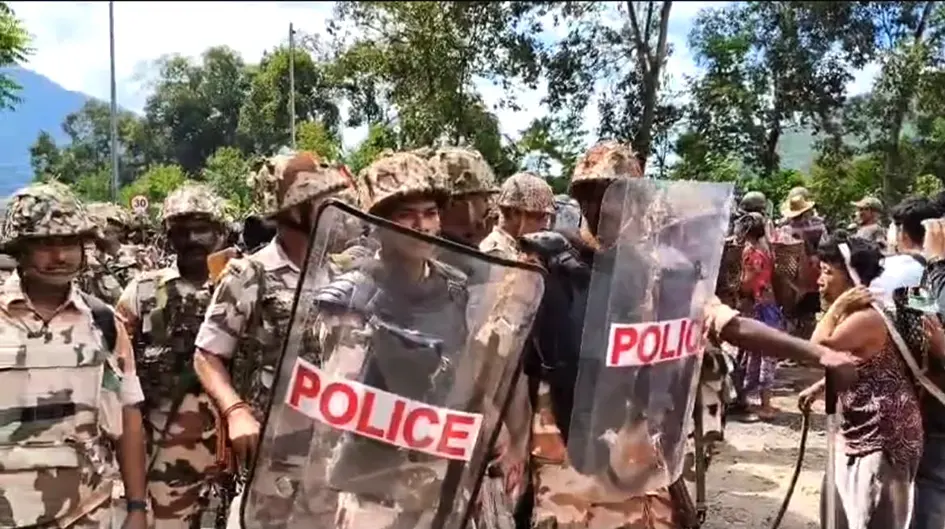
Case No 22/2026 concerns allegations of vandalism and related offences, including alleged damage to property in Ugeng. Case No 24/2026 relates to an incident involving Central Reserve Police Force (CRPF) personnel, including allegations of assault and other offences. The allegations are under investigation and have not been established by the court.
Tayeng said the defence had argued that the applicants were local residents - including farmers with permanent homes and strong ties to their communities - and were unlikely to abscond. The applicants had also undertaken to cooperate with the investigating agency.
"We argued that criminal cases and arrests risk being used as tools to put pressure on people involved in the movement," Tayeng said, explaining the grounds on which the defence sought protection.
She said that people who might not have participated in the alleged offences could also be implicated.
"Someone who was merely standing by the roadside could also be implicated, even if they were not involved in the alleged assault on CRPF personnel," she said.
Tayeng said the immediate question at the anticipatory bail stage was whether an applicant had established grounds for protection from arrest, rather than whether the person was guilty or innocent. The court's interim orders, she said, provided relief while the applications remained under consideration.
For villagers who have little experience with the criminal justice system, even temporary protection can make a considerable difference, she said. Many fear that being named in an FIR will inevitably lead to arrest and jail.
"There are fears that, once someone is named in an FIR, they could be arrested and detained indefinitely, without being granted bail," Tayeng said.
She said legal support helped villagers understand their rights and the remedies available to them. The court process, she added, could give people confidence that they had a forum where they could seek relief.
Despite the interim protection granted to the applicants, three people remain in custody, while four villagers of Geku in Upper Siang district - Adum Tayom, Omak Paron, Okut Paloh, and Oson Paron - have been detained under the Arunachal Pradesh Unlawful Activities (Prevention) Act, 2014 (APUAPA) since 9 October.
The detention orders issued by the Upper Siang district magistrate cited a tense and volatile situation in areas connected with the PFR activities. The administration alleged that incidents of violence and arson had led to the destruction of public and private property, and said the detentions were intended to contain unlawful activities and safeguard public safety.
The orders also referred to alleged continued activities that the administration said were detrimental to peace and had disrupted development work.
Tayeng said the defence had also sought copies of the detention orders and related documents but had initially received only notices informing the families that the four had been detained.
She said the four had been missing from public view earlier in the day and their whereabouts were not known to their families. Notices were issued by the district administration at around 7 or 8 pm, she said, but the actual detention orders and other requested documents had not been provided to the defence at the time of the interview.
"We therefore filed an application under Section 8(1), seeking the necessary information and documents," Tayeng said.
She said the formal detention records are important to understand the circumstances and legal basis of the detentions. She also questioned whether such a stringent law is appropriate in the circumstances, given that the individuals concerned are villagers participating in protests.
"The circumstances of the detentions, the legal basis for the action, and the rights of the individuals concerned must be properly examined," she said.
She added that disagreement with the government or participation in a democratic movement do not by itself establish criminal liability, which must depend on whether an offence has been committed and the evidence available.
Speaking to The Arunachal Times, the wife of Adum Tayom said she did not know that her husband had been detained when it happened and had not received a detention order.
She said Tayom was detained in Pasighat on 9 October. According to information she later received, police picked him up from a barber shop while he was getting a haircut.
"It's been eight nights since he was detained," she said, referring to the period at the time of the interview.
She said the local MLA, the superintendent of police, and the deputy commissioner should be held accountable for his safety if anything happens to him.
"There's an FIR in my name as well. The government now is targeting people," she alleged. (NB: The interim bail orders were passed on 14 October, 2026. Although one of the orders bears the date 16 October, 2026, the order was passed on 14 October, 2026.)