Editor,
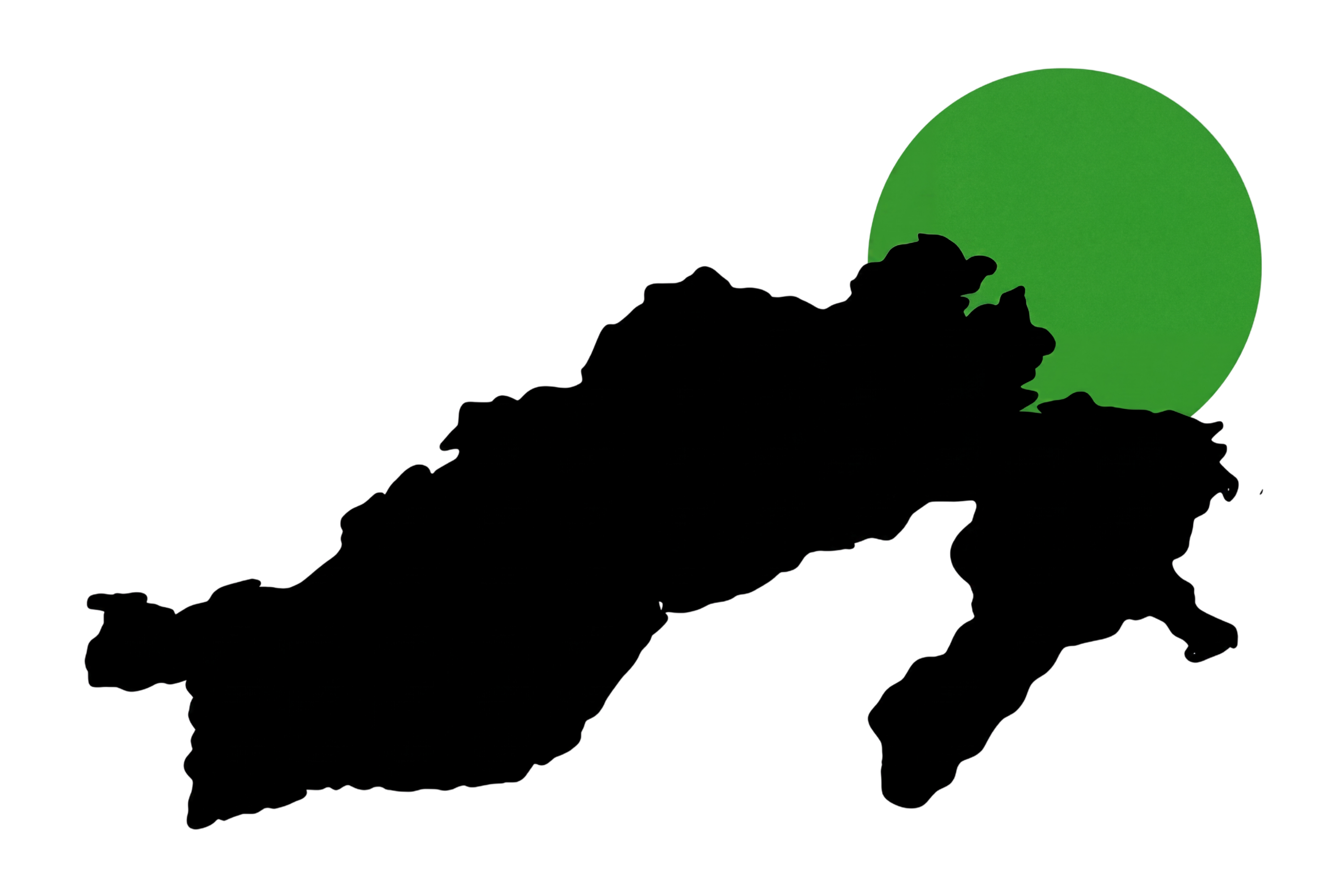
The Assam-Arunachal Pradesh border dispute is a long-standing inter-state issue rooted in colonial-era administrative lines and a 1951 land transfer. It has involved periodic violence, multiple failed demarcation attempts, a Supreme Court case. Disputes often involve reserve forests, farming rights, and competing claims by local communities (including plains tribes in Assam such as the Mising and hill tribes in Arunachal).
In January 2014 in Behali Reserve Forest (Sonitpur, Assam), 10 people were killed. Violence in June 2023 in Dhemaji (shortly after the 2023 MoU), in which one person from Assam was killed and another injured. August 2026 clashes in Dhemaji district (Mingmang Basti/Gogamukh area) over alleged encroachment: firing injured at least 11-18 people from Assam (some critically); a subsequent clash involved stone-pelting and police firing in the air; an economic blockade was launched by Assam groups (including Takam Mising Porin Kebang).
After years of deadlock, political will to resolve the issue has strengthened, driven by the fact that both states are governed by the BJP and by the push from the central government.
In 2007, Arunachal formally listed 123 disputed villages before the local commission, this list later anchored negotiations. As of August 2026, the bulk of the formal village-level claims (71 of 123) have been resolved under a 2023 MoU, with about 52 villages remaining under discussion via regional committees, joint surveys, and demarcation.
As on-the-ground demarcation has not yet been completed in some areas, local communities sometimes object to the results; outstanding disputes over cross-border encroachment extend beyond the original 123 villages, and violent clashes continue to occur sporadically in unresolved areas.
In my view, the Survey of India should accelerate the completion of the joint survey and the installation of permanent boundary markers; the governments of both sides should initiate negotiations to properly address sensitive issues concerning local livelihoods and forest resources; and relevant interest groups should cooperate with the government and urge the public to maintain peace, rather than resorting to indiscriminate economic blockades.
Likha Tana