Editor,
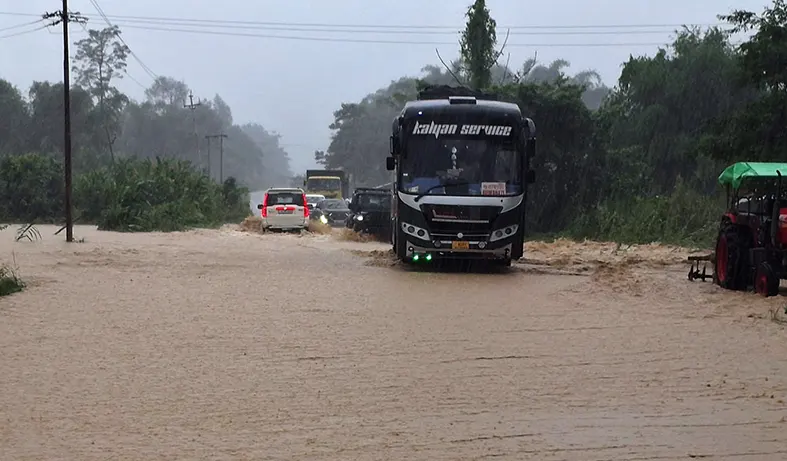
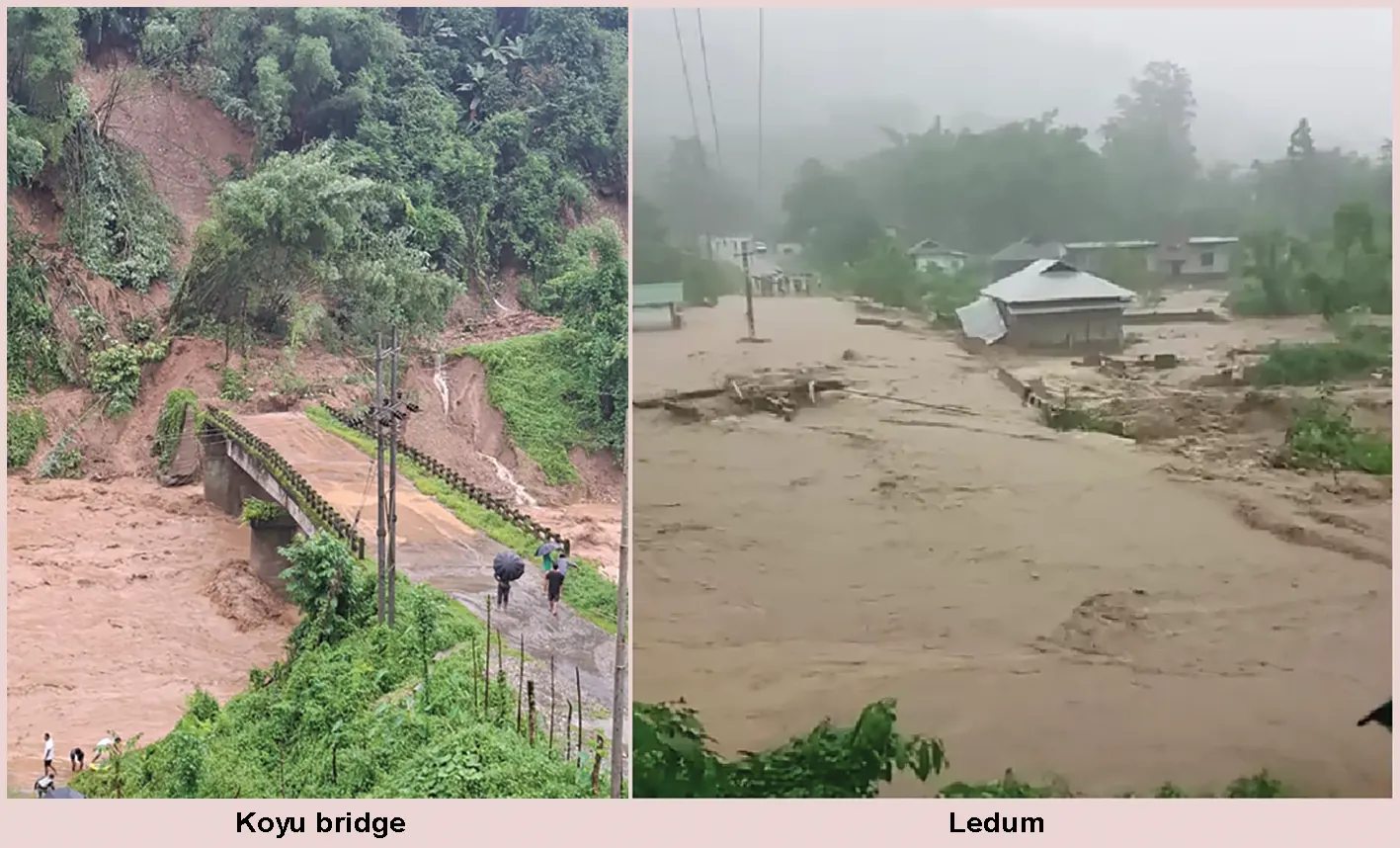
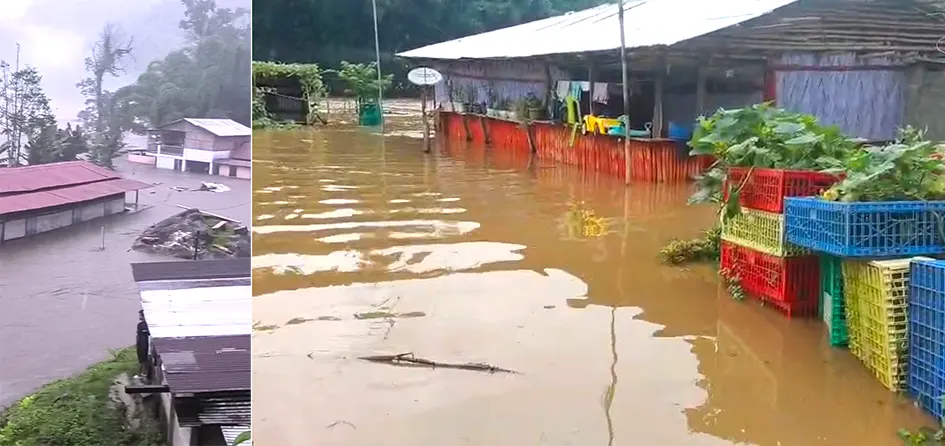
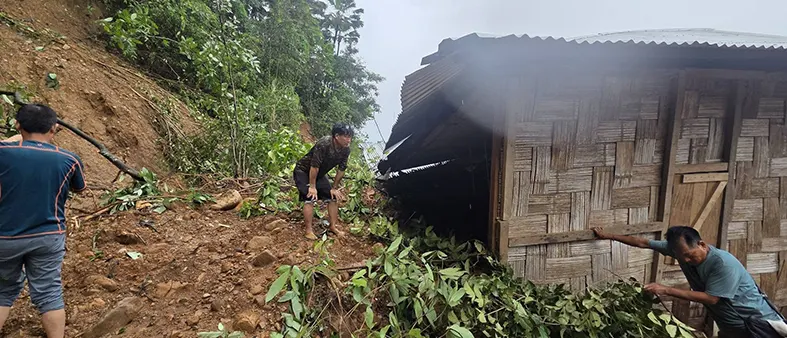
The devastating floods and landslides triggered by incessant rainfall have left an immeasurable and lasting impact on the people of Arunachal Pradesh, particularly in the districts of Leparada, Lower Siang, and East Siang. Electricity supply, drinking water, road connectivity, and mobile communication have been severely disrupted, leaving thousands of residents isolated and struggling to meet their basic needs.
Earlier, a cloudburst on 24 June 2026 in Possa village in Keyi Panyor district devastated the entire village, including the NEEPCO Colony, causing widespread destruction to homes, public infrastructure, lives and livelihoods. The subsequent heavy rains and floods have only compounded the suffering across the state.
At this critical juncture, the immediate priority must be the restoration of essential services, including roads, bridges, electricity, drinking water, and communication networks. Simultaneously, adequate relief materials and medical assistance must be provided to all affected families without delay.
Natural disasters test not only the resilience of communities but also the responsiveness and integrity of governance. Every rupee sanctioned for relief and rehabilitation must reach the intended beneficiaries with complete transparency and accountability. Relief funds should never become a source of corruption or personal gain. The people who have lost their homes, livelihoods, and loved ones deserve compassion, justice, and unwavering support.
The central and state governments must work in close coordination to expedite rescue, relief, and rehabilitation efforts, ensuring that no affected family is left behind. The long-term reconstruction process should focus on building disaster-resilient infrastructure and strengthening preparedness to mitigate the impact of such calamities in the future.
Gonya Riba,
Adviser to CoSAAP