[ Tongam Rina ]
ITANAGAR, 5 Oct: At least five people were arrested in the Siang valley as the government uses force to crack down on dissenting voices during the pre-feasibility report (PFR) study for the Siang Upper Multipurpose Project (SUMP) -a 10,000 mw-plus hydropower project on the Siang River.
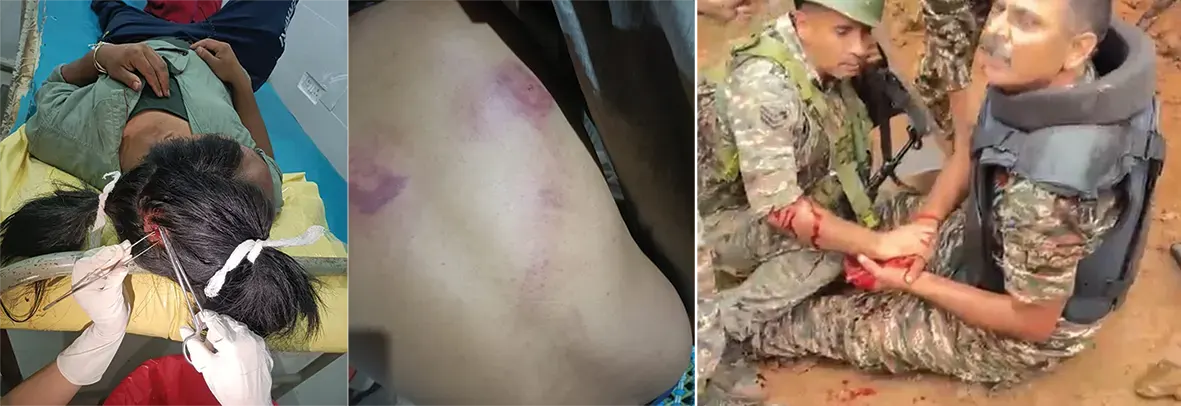
One of the arrest notices revealed that the detention was connected to Case No 22/26, registered under Sections 189(2), 191(2), 326(f), 326(g), and 190 of the Bharatiya Nyaya Sanhita (BNS), registered in Boleng in Siang district. According to the notice, the individual was allegedly involved in "an unlawful assembly and attack on CAPF personnel" in Uggeng. The Siang district administration had previously reported violence at both the Uggeng entry point and the project's survey site.
While the administration claims that several security personnel were injured - including one requiring medical evacuation to Delhi and properties damaged, local accounts also reveal that several villagers suffered significant injuries, with many bleeding and some requiring stitches.
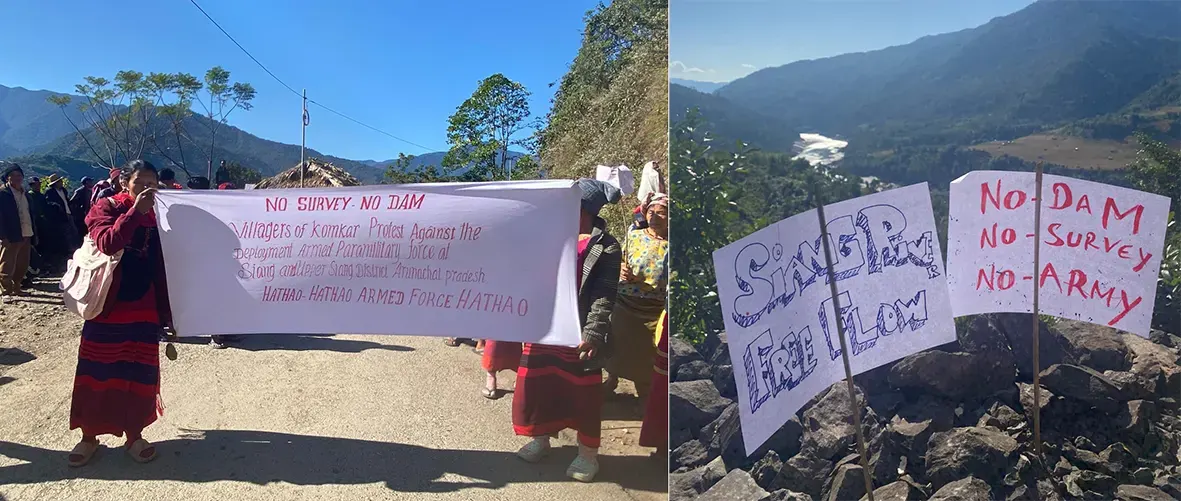
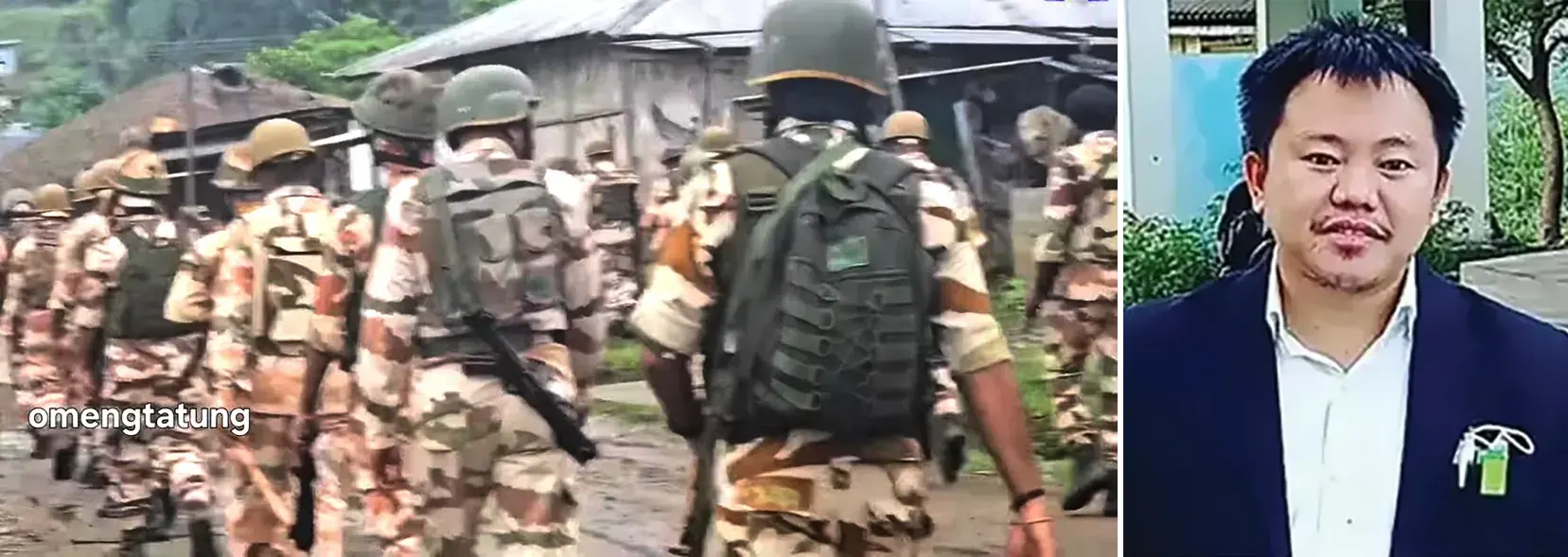
The Uggeng incident is the latest confrontation between security personnel and local residents who vehemently oppose the dam. Despite sustained resistance from the Adi community, the government remains firm on proceeding and aims to complete the pre-feasibility study within the next three months. In preparation, armed police forces have been deployed throughout the valley. In Geku village, a stronghold of the anti-dam movement, security forces were captured on camera marching through the area in full combat gear.
The government appears unmoved by the persistent public opposition, intensifying its crackdown and increasing militarisation to suppress protests. Alongside the physical deployment of forces, censorship has escalated. The Government of India has blocked several critical social media handles, including the Facebook page of Upper Siang 24X7, a digital news channel that extensively covers local resistance to the mega-hydro project. Shan Jijong, the reporter behind the popular platform, stated that he will continue his coverage despite the ban. Other accounts have also been withheld, including that of advocate Ebo Mili, a vocal critic of the state's hydropower plans.
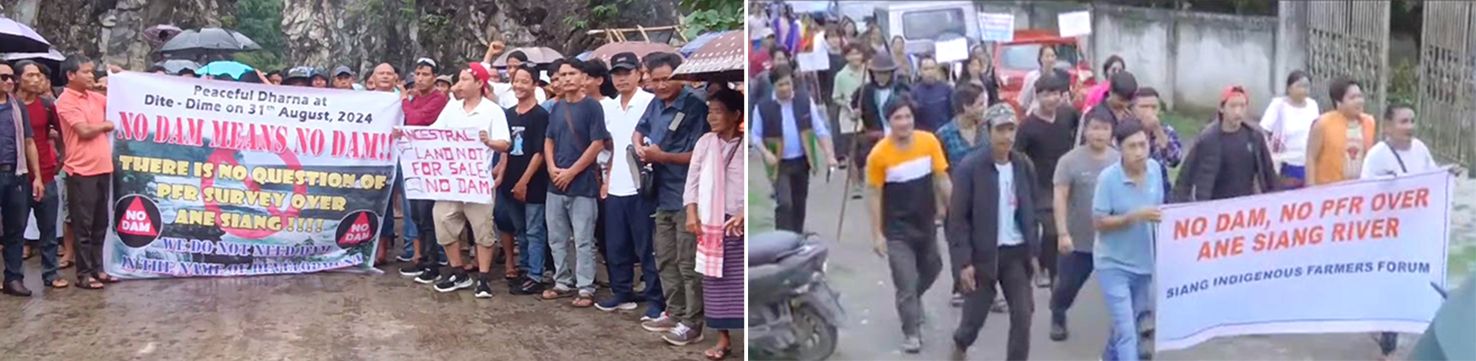
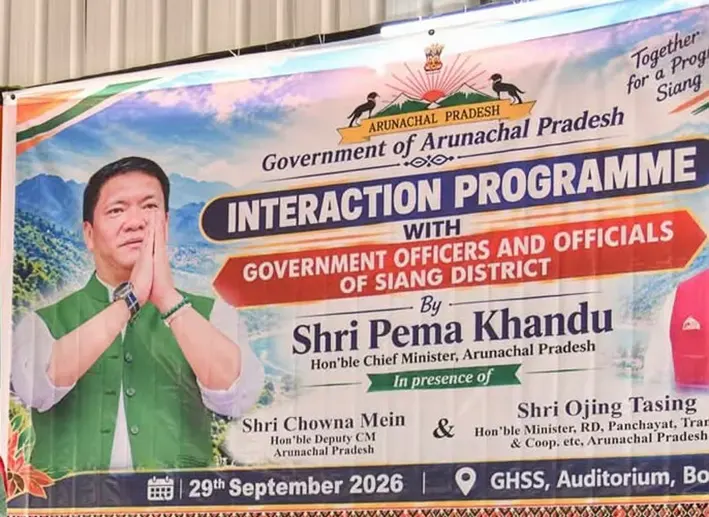
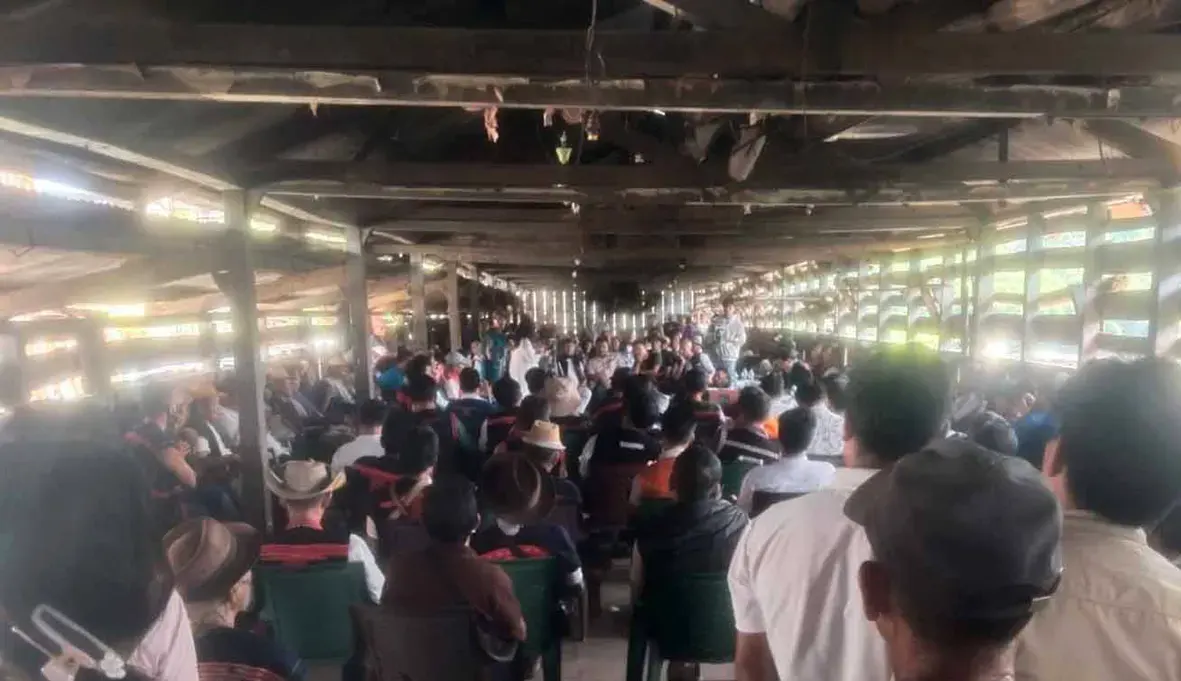
Meanwhile, the Siang Indigenous Farmers' Forum (SIFF) decided to decline an invitation from Chief Minister Pema Khandu for a meeting in Pasighat, which was scheduled for 5 October. This decision was finalised during a community meeting in Geku on Sunday, with SIFF proposing instead to meet sometime after 11 October. The chief minister's invitation to SIFF was intended for "important discussions on vital issues in the presence of the MP and legislators of the Adi community."
This dual government strategy, combining structural militarisation with sudden calls for dialogue, follows a massive wave of public opposition during Khandu's tour of Upper Siang and Siang districts in September. His visit triggered widespread protests against both his presence and the implementation of the pre-feasibility report studies.
The PFR sites are Parong, Dite Dime, and Uggeng (also referred to as Konggong Lingkok), which have seen intense resistance from the local indigenous communities, including the one on Sunday.