
ITANAGAR, 14 Jun: Arunachal Pradesh has achieved a remarkable milestone in preserving and promoting its rich cultural heritage, traditional knowledge, indigenous crafts, and unique agricultural products through geographical indication (GI) registration.
The state now boasts 20 registered GI products, showcasing the diversity and uniqueness of its tribal communities and traditional practices.
The journey began with the registration of Arunachal orange and Idu Mishmi textile, the state’s first two GI products, during 2014-15. Recognising the immense potential of Arunachal’s indigenous products, the NABARD extended support for GI registration of several traditional agricultural products, handloom items, handicrafts, foods, and beverages from different tribes and regions of the state.
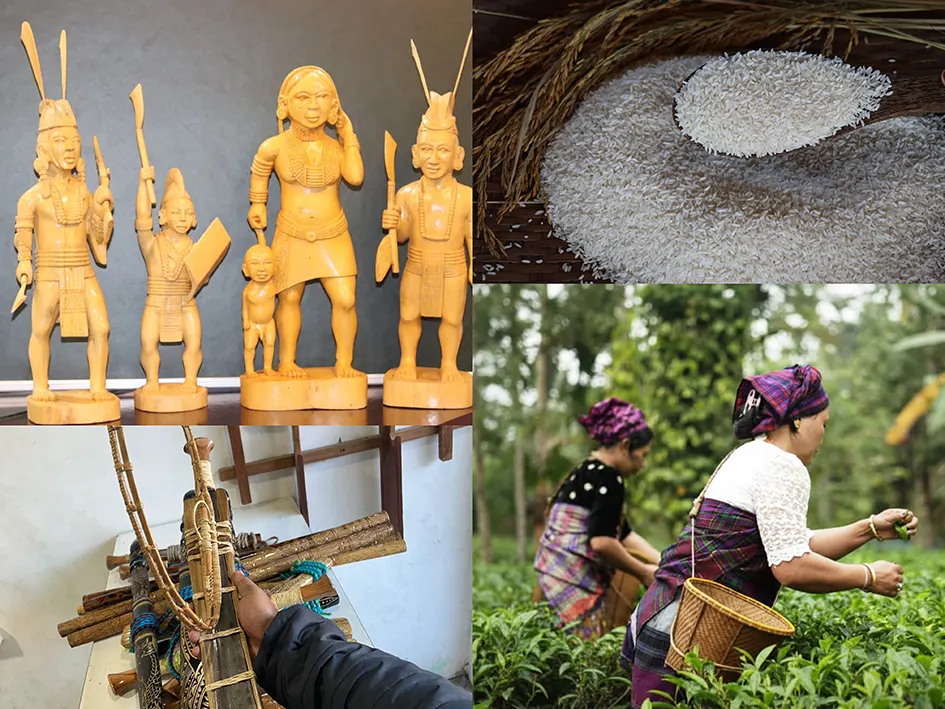
With the NABARD’s support, 18 additional products secured GI registration during the period from 2020-21, including Khamti rice, yak churpi, Tangsa textile, handmade carpet, Wangcho wooden craft, Adi kekir (ginger), Apatani textile, Monpa textile, Nyishi textile, Monpa handmade paper, Adi textile, Singpho tea, Galo textile, Adi apong, dao (traditional machete), angnyat millet, marua apo, and Tai Khamti textile.
A GI tag is an intellectual property right that identifies a product as originating from a specific geographical region and possessing qualities, reputation, or characteristics unique to that area. GI registration protects traditional knowledge, prevents misuse of product names, enhances product credibility, and creates opportunities for better market access and premium pricing for producers and artisans.
For a culturally rich and diverse state like Arunachal, GI registration serves as an effective tool for safeguarding tribal heritage, preserving traditional skills, and promoting indigenous products in national and international markets. It also contributes to livelihood enhancement, entrepreneurship development, tourism promotion, and sustainable rural development.
The NABARD’s focus extends beyond helping secure GI status through the implementing agency as part of its commitment to rural prosperity, livelihood promotion, and value-chain development. While facilitating the registration process, the NABARD’s focus extends beyond securing GI status. The institution is now supporting post-GI interventions, including registration of authorised users, capacity building of producers and artisans, branding, packaging, quality standardisation, and market linkage initiatives.
The ultimate objective is to ensure that GI recognition translates into enhanced market opportunities, higher incomes, and sustainable livelihood benefits for the local communities.
Several other unique products from different districts of Arunachal are currently in the pipeline for GI registration. The achievement of 20 GI registrations marks a significant step towards preserving the state’s rich cultural legacy while creating sustainable livelihood opportunities for its farmers, artisans, weavers, and tribal communities, the NABARD stated in a release.