
TEMI, 14 Jun: A landmark memorandum of understanding (MoU) was signed between the 39th Mebo Assembly Constituency (AC) of Arunachal Pradesh and the 32nd Temi-Namphing AC of Sikkim during the first International Agro-Tourism Festival 2026 held here in south Sikkim.
The three-day international festival, organised under the theme ‘Three Nations, Three Districts, Three Constituencies’, brought together delegates from India, Nepal, and Bhutan to promote agro-tourism, cultural exchange, sustainable rural development, and community-based tourism. The event witnessed the participation of around 60 delegates from the three countries.
A 25-member delegation from Mebo AC, led by MLA Oken Tayeng, participated in the festival. The delegation included government officials, tourism stakeholders, entrepreneurs, SHGs and community representatives, who engaged in various sessions, field visits, cultural exchanges, and discussions on sustainable tourism and rural livelihood development.
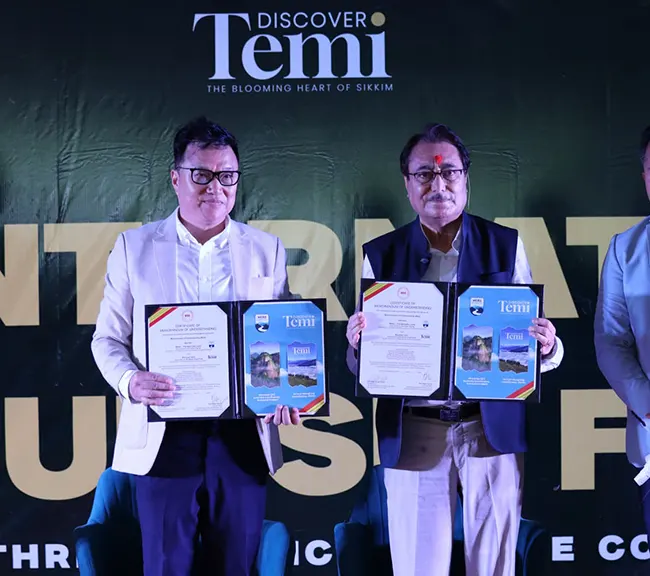
The highlight of the event was the signing of the MoU between Mebo and Temi-Namphing, establishing the two constituencies as sister constituencies for a period of three years. The agreement was signed by MLA Tayeng and MLA BS Panth, with the objective of fostering cooperation in tourism development, cultural exchange, environmental conservation, skill development, agricultural tourism, and sustainable community growth.
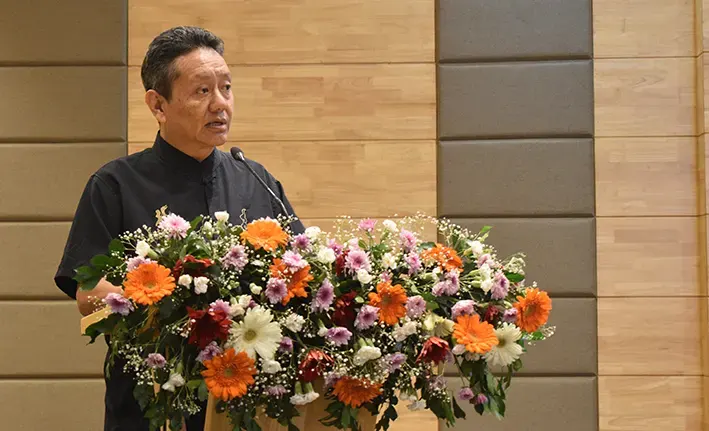
Addressing the gathering, Tayeng praised Sikkim for its remarkable achievements in sustainable tourism, village development, environmental stewardship, and grassroots governance. He stated that Sikkim’s development model offers valuable lessons not only for other Indian states but also for neighbouring countries seeking to balance economic growth with environmental sustainability.
Tayeng further commended the visionary leadership of Sikkim Chief Minister Prem Singh Tamang for transforming Sikkim into a model state in tourism and rural development. He expressed confidence that the partnership between Mebo and Temi-Namphing would pave the way for meaningful collaboration, knowledge sharing, and mutual growth.
During the festival, delegates were exposed to successful agro-tourism initiatives, homestay models, community-based tourism practices, and environmental conservation efforts being undertaken across Sikkim. The programme also featured plantation drives, exhibitions, cultural performances, and interactions with local entrepreneurs and farmers.
Speaking after the event, Tayeng stated that the exposure visit and interactions provided valuable insights that could be adapted for promoting sustainable tourism and rural entrepreneurship in Arunachal, particularly in the Siang valley region. He reiterated his commitment to strengthening tourism linkages between Arunachal and Sikkim for the benefit of local communities, youths, farmers, and entrepreneurs.