
Editor,
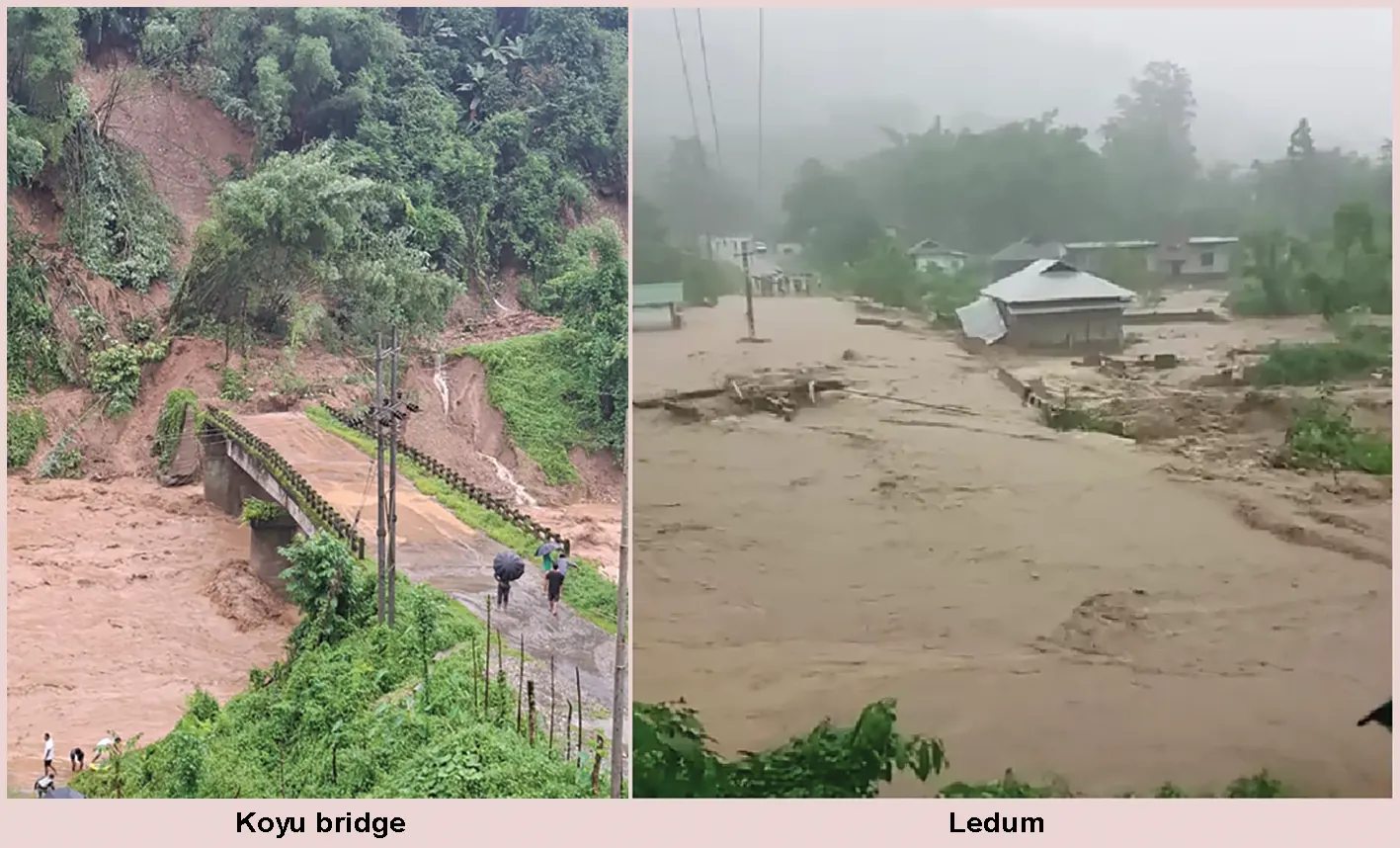
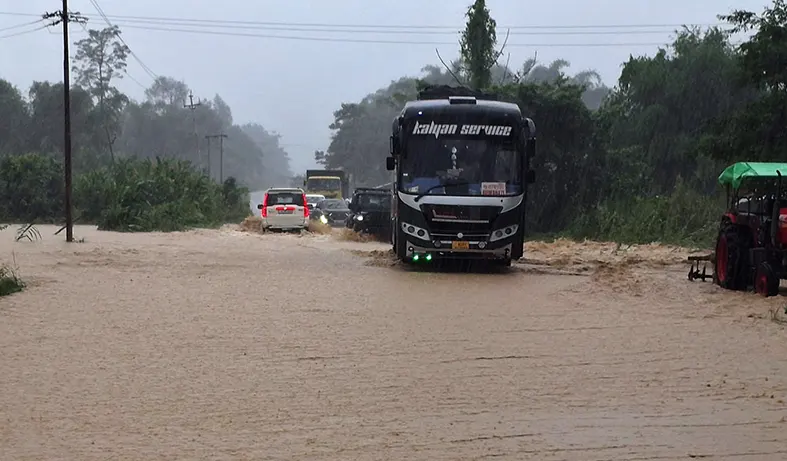
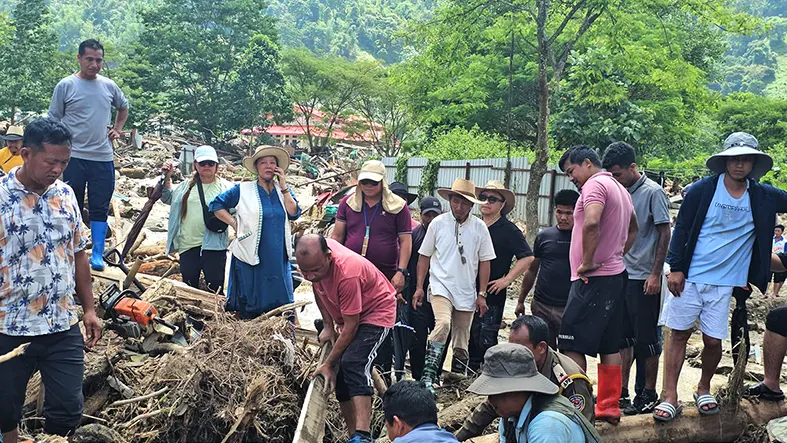
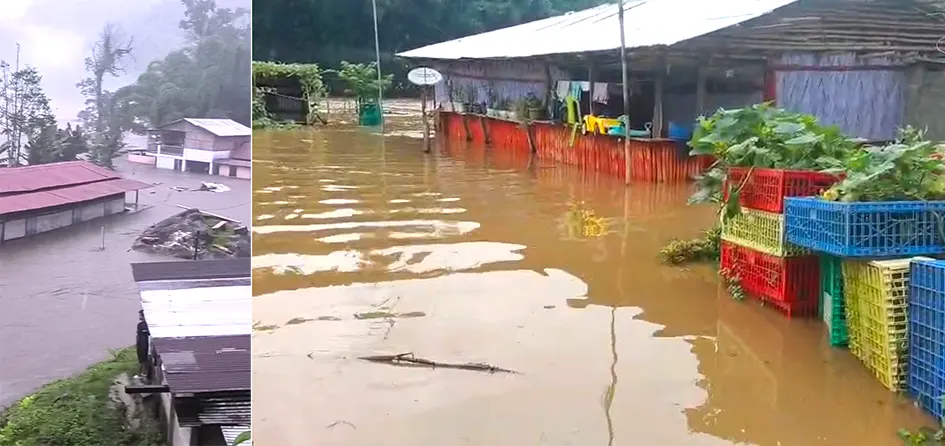
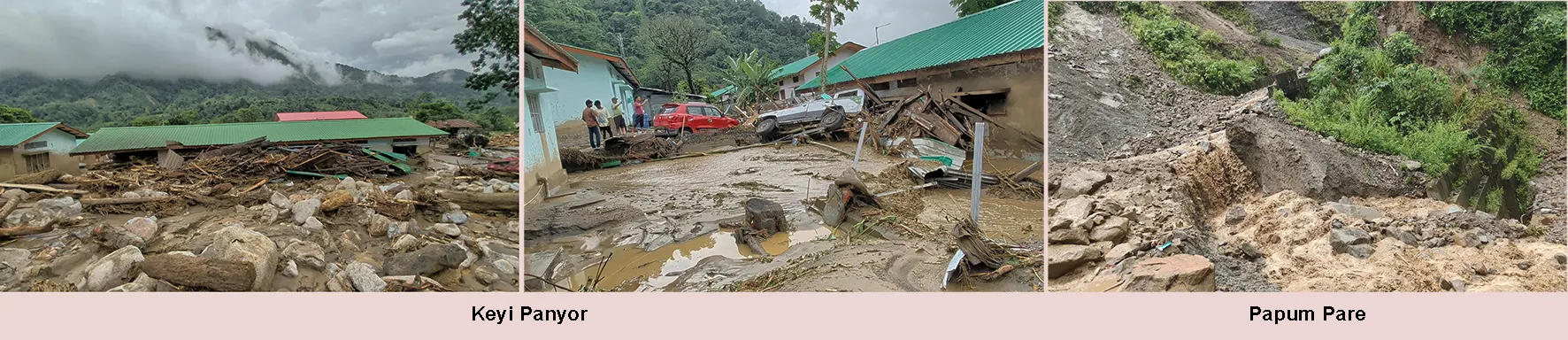
Since the beginning of June, persistent heavy rainfall has triggered flash floods, torrential downpours, landslides, and road washouts in districts such as Keyi Panyor, Papum Pare, and Lower Siang.
Occurring in the steep terrain of the Himalayan foothills, these events are characterised by their sudden onset and high intensity. Floodwaters rush down the slopes, carrying debris, boulders, and sediment. Rural roads and infrastructure are particularly vulnerable due to factors such as topography, erosion, and limited drainage facilities. Can the construction of dams, such as the SUMP, mitigate the impact of these floods and ensure public safety? I think the answer remains in doubt.
The Himalayan region is geologically active and prone to earthquakes, landslides, and erosion. Building dams entails large-scale deforestation within a fragile ecosystem, leading to slope instability and soil erosion, thereby exacerbating disasters during the monsoon season. Such dams face risks including siltation, structural damage from earthquakes or landslides, and the triggering of landslides by construction and reservoir filling. Many dams in Arunachal Pradesh are primarily run-of-the-river hydroelectric projects with limited storage capacity, offering negligible flood buffering effects. When inflows are massive, emergency water releases, necessary to ensure dam safety, can inundate vast tracts of surrounding land and cause flooding in Assam and neighbouring areas.
Any act of disrespect towards nature will eventually face its consequences. Therefore, relying on dams for flood control is unwise. Should a dam be destroyed by flash floods, the population would suffer the consequences of both natural forces and human-induced factors. Effective flood control requires solutions tailored to the realities of the Himalayan region, and integrating engineering, ecological, and community-based approaches.
Lohit Sharma