[ Badak Yomgam ]
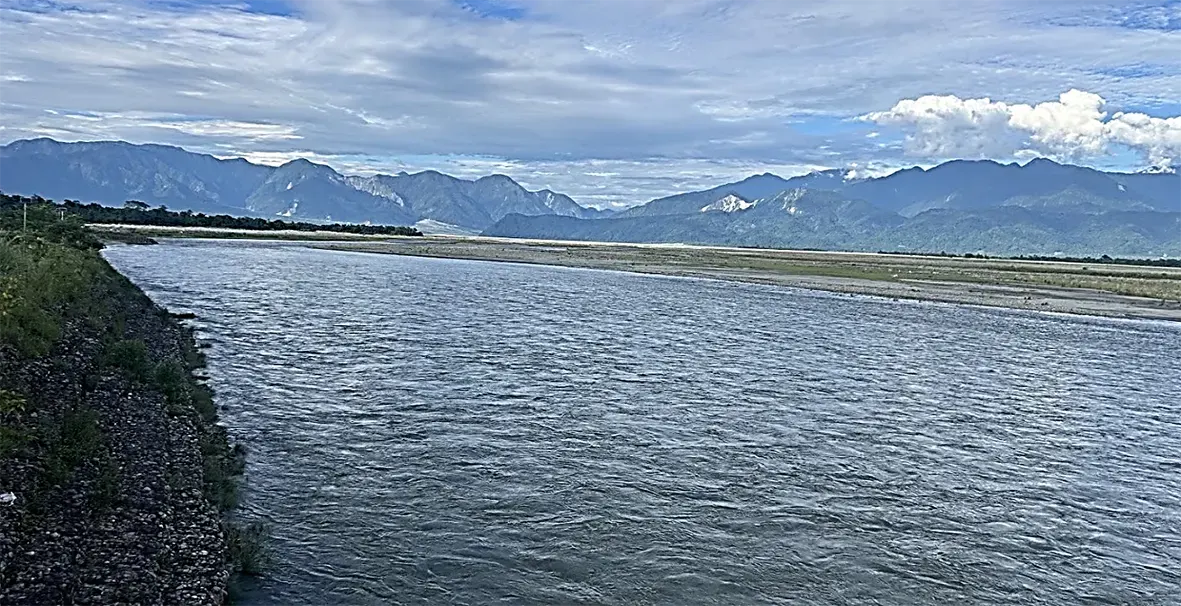
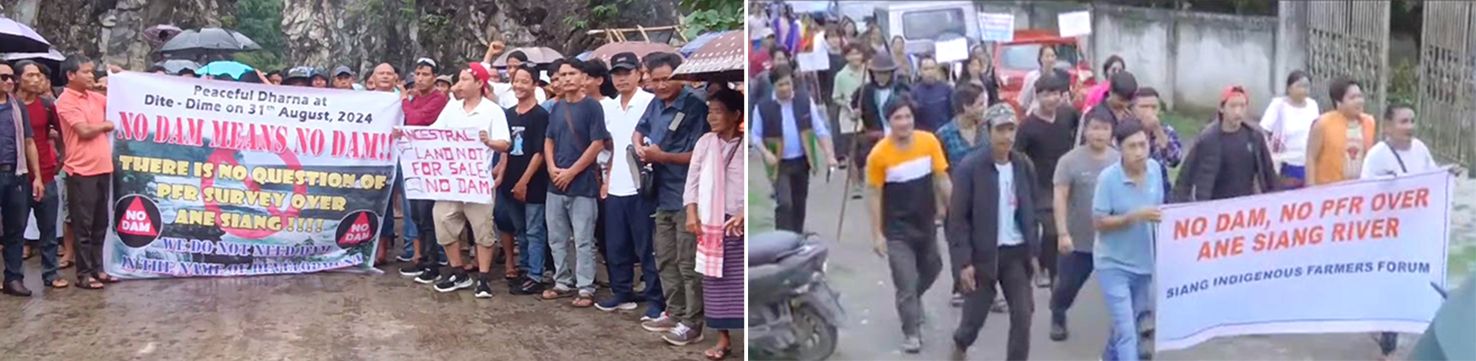
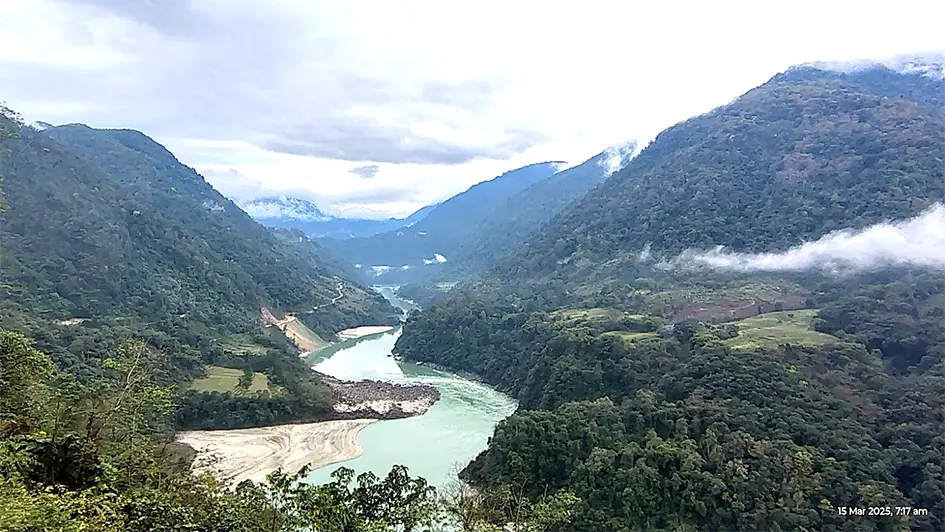
The proposed Siang Upper Multipurpose Project (SUMP), a massive 11,000 megawatt hydropower undertaking planned across the Siang River in the Upper Siang district of Arunachal Pradesh, presents a severe ecological dilemma. While framed as a strategic initiative for national energy security and regional water management, the physical scale of the project poses critical, irreversible risks to the adjacent Mouling National Park and the surrounding Dihang and Dibang biosphere reserve.
The Mouling National Park covers roughly 483 square kilometres on the right bank of the Siang River. It forms a vital Eastern Himalayan biodiversity hotspot, harbouring rare and endangered species like the takin, clouded leopard, musk deer, serow, and Blyth's tragopan. Constructing a mega dam of this magnitude right along its hydrological vein threatens the park's primary ecological integrity across multiple structural levels.
1. Submergence of Riparian lowlands and habitat inundation
The primary direct impact of the SUMP dam is the creation of a vast, high volume reservoir. The impoundment of water will submerge extensive tracks of low lying primary forests, riverine terraces, and valley bottoms along the Siang River and itsimmediate tributaries (such as the Siring and Krobong streams) that drain the edges of the Mouling National Park.
Lowland river valleys are the most biologically productive parts of mountain ecosystems. They serve as essential wintering grounds, foraging hubs, and nesting zones for fauna during cold months when high altitude reaches of Mouling are covered in snow. Submerging these lowlands deprives species of critical seasonal refuges, effectively shrinking the functional ecological footprint of the national park.
2. Destruction of contiguous wildlife corridors
The Mouling National Park does not exist as an isolated ecological island; its viability depends on intact migratory corridors that connect it to the lowlands of the Siang valley, neighbouring reserve forests, and downstream ecosystems towardsthe Assam plains.
Terrestrial fragmentation: The creation of a massive reservoir, paired with associated infrastructure like road networks, tunnels, transmission lines, and labour camps, acts as an impenetrable barrier for terrestrial wildlife. Animals such as the Asiatic black bear, takin, and various ungulates moving elevationally depend on seasonal food availability. Cutting off these movement routes would fragment populations, isolate gene pools within Mouling and increase the risk of localised extinctions.
Aquatic ecosystem disruption: The Siang River is home to iconic, cold water migratory fish such as the golden mahseer. The physical barrier of a massive dam, coupled with altered water temperature, dissolved oxygen levels, and flow dynamics, will permanently sever migration routes essential for fish spawning.
3. Alteration of local microclimate and ecosystem stress
Transforming a dynamic, fast flowing mountain river into a stagnant, mega reservoir significantly alters the local microclimate of the valley. Reservoirs increase local humidity, alter fog patterns, and induce subtle temperature shifts in the immediate micro-basin.
The Mouling National Park's flora is sharply stratified by altitude, ranging from tropical evergreen forests at lower elevations to temperate and alpine vegetation higher up. Microclimatic shifts put sensitive, non-adaptable species, particularly endemic tree-dwelling plants, orchids, mosses, and specialised insects, under thermal and moisture stress, potentially driving invasive plant species into the edges of the park.
4. Severe downstream sedimentation and hydrological disruption
The Siang River carries an immensely heavy load of natural silt and sediment originating from the Himalayan slopes.
Trapping silt: The dam will trap vast quantities of nutrient rich sediment in the reservoir, depriving downstream riverine ecosystems, sandbars, and floodplain wetlands of essential nutrients.
Hydro peaking operations: Operational hydro peaking, which involves releasing massive surges of water during peak power generation hours and reducing flow to a trickle during off peak times, will cause unnatural daily fluctuations in the water levels along the park's riverine boundaries. This unnatural ebb and flow erodes riverbanks, strips away riparian vegetation, and destroys microhabitats relied upon by amphibians, aquatic reptiles, and river dwelling bird species.
5. Anthropogenic pressure: Influx of labour and deforestation
Constructing a mega dam project requires a massive influx of non-local workforce, technical personnel, and heavy machinery, operating over a period of many years.
Encroachment and illegal resource extraction: The presence of thousands of workers in close proximity to a remote, lightly patrolled national park like Mouling drastically heightens the risk of illegal timber logging, fuelwood collection, and poaching.
Fugitive dust and noise pollution: Years of heavy blasting, drilling, tunnelling, and transport operations introduce extreme sound levels and air pollution. Noise from heavy equipment disrupts the breeding and stress levels of shy, forest dwelling fauna, driving them away from the boundary zones deeper into the interior core, exacerbating territorial crowding.
6. Heightened geo-hazard and reservoir induced seismic risks
Mouling National Park sits in the Eastern Himalayan bend, designated as Seismic Zone V, which is one of the most geologically active and earthquake prone zones in the world.
The sheer weight of billions of cubic metres of impounded water behind an 11,000 mw dam can trigger reservoir induced seismicity (RIS). Combined with steep topography, intense monsoon cloudbursts, and climate induced destabilisation of surrounding hillsides, the project significantly increases the risk of massive landslides. Landslides originating near the reservoir slopes can tear directly through the forested flanks of the Mouling National Park, destroying pristine slope vegetation, silting up mountain streams, and triggering catastrophic flash flood or glacial lake outburst processes.
While the SUMP is driven by strategic and energy imperatives, its environmental footprint near the Mouling National Park is extensive and far-reaching. The project risks converting a pristine, continuous Himalayan wilderness into a fragmented, regulated industrial corridor, permanently altering the unique bio-cultural heritage of the Upper Siang ecosystem. (The writer is an independent researcher.)