
RONO HILLS, 20 Aug: Governor KT Parnaikadvised content creators and influencers to use their influence responsibly and create content that promotes social harmony, environmental awareness, responsible citizenship and national development.
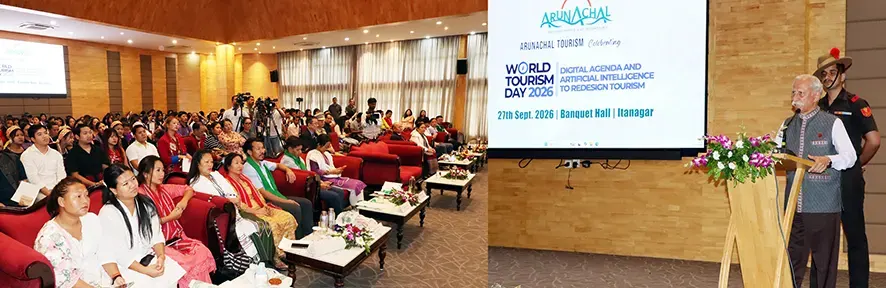
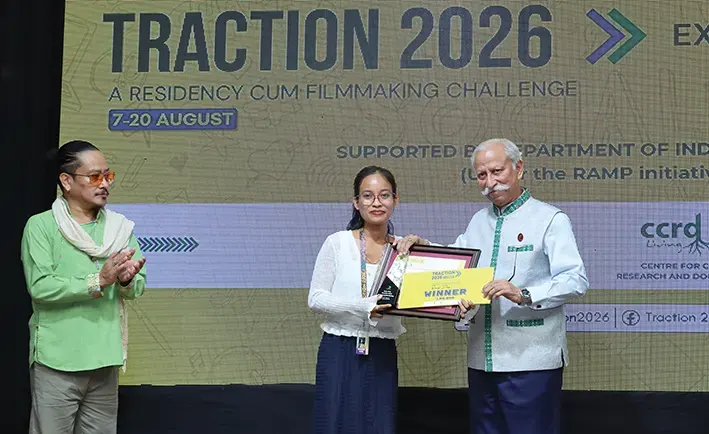
The governor participated in the valedictory function of TRACTION 2026 - Residency and Film Challenge at Rajiv Gandhi University here on Thursday. He conferred awards to the two best filmmakers, Aron Pradhan of Meghalaya and Rinpi Das of Assam, on the occasion. The prizes included a trophy, citation,and cash prize of Rs 1 lakh each.
Addressing the participants, the governor urged young filmmakers, content creators and influencers to move beyond merely observing the world and instead engage with it, interpret it meaningfully and contribute to positive transformation. "Your passion will drive you to open new horizons, inspiring innovation, creativity, and opportunities for growth and achievement," he said.
Highlighting the growing influence of content creators, the governor said a video, documentary or social media post can reach millions within hours and has the power to educate, inspire and influence society.
He emphasized that "the real measure of success should not be views, likes or followers, but the positive impact created in society."
Parnaik cautioned against sensationalism and short-lived popularity, urging them instead to pursue credible and meaningful storytelling that informs, educates and inspires.
He further stressed the importance of fact verification, cultural sensitivity, informed consent,and dignified representation. He said that "integrity and credibility are the true foundations of lasting impact and meaningful storytelling."
The governor said Arunachal Pradesh offers immense opportunities for storytellers, with its breathtaking landscapes, rich biodiversity and vibrant cultural heritage encompassing more than 26 major tribes and over 100 sub-tribes. He urged filmmakers and content creators to document the state's untold stories and take them to national and global audiences.
The governor encouraged greater collaboration with the RIWATCH, cultural organisations, researchers, local communities and knowledge keepers to authentically document indigenous traditions, community wisdom, and the harmonious relationship between people and nature.
He called for greater focus on artisans, farmers, entrepreneurs, athletes, innovators and cultural custodians, as well as local products, traditional crafts, organic farming, ecotourism and community-led conservation.
Congratulating the awardees and participants, the governor said the completion of the residency marked"not an end, but the beginning of a larger journey."He expressed confidence that the participants would emerge as responsible storytellers capable of inspiring hope, strengthening understanding, and contributing to constructive change.
The governor appreciated the intensive thematic sessions conducted during the residency on the cultures and traditions of Arunachal, tourism content creation, travel filmmaking, research methodologies, media ethics, storytelling, and the One District One Product initiative. He said these areas provide powerful tools for preserving heritage, shaping narratives and promoting sustainable development.
He commended Rajiv Gandhi University, particularly its department of mass communication, the Centre for Cultural Research and Documentation, and the Department of Industries for conceptualising the initiative. He observed that such programmes are especially relevant in the digital age, when visual storytelling has become a powerful medium of communication.
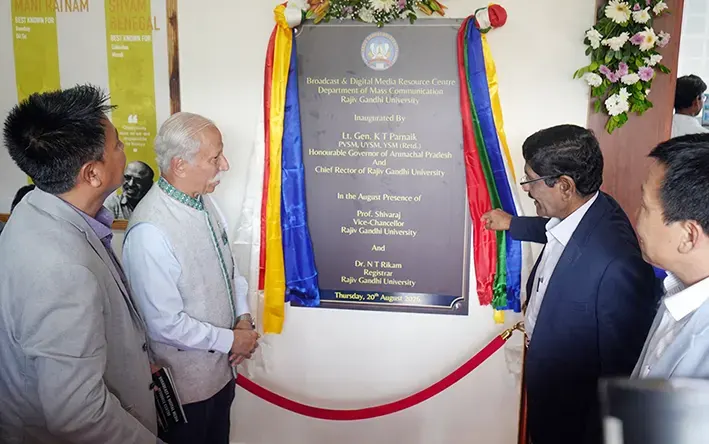
RGU Vice-Chancellor Prof Shivaraj, Registrar Dr NT Rikam, and Industries Director Gyabo Perting also addressed the gathering.
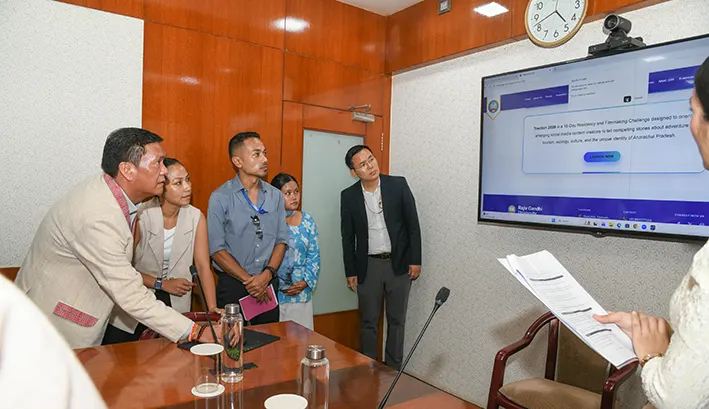
Course director of TRACTION 2026, Moji Riba,presented a concise report, highlighting the key activities, achievements, and outcomes of the 15-day residency and film challenges programme. He said that the course began with the premise that social media is not just a source of personal consumption or entertainment alone, but an emerging source of livelihoods.
Organised under the theme 'Explore, Create, Move' by RGU's mass communication department, in collaboration with the Centre for Cultural Research and Documentation, and the Department of Industries, 25 participants from eight states of the Northeast region participated in the programme.
Twenty-five films were made on the occasion.
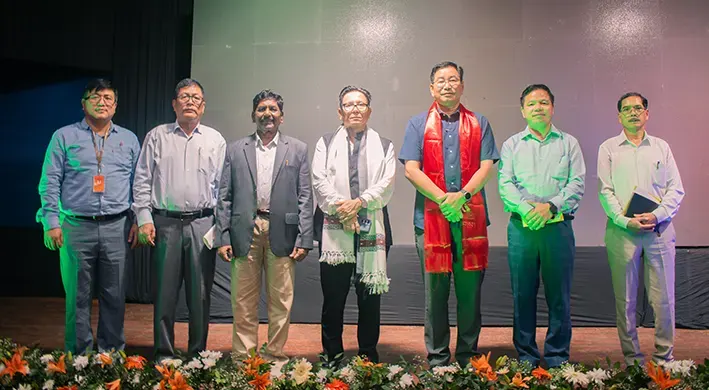
Papum Pare SP Taru Gusar, deans of faculties, heads of departments, directors of institutes and participants from all the eight states of the Northeast attended the valedictory function. (Lok Bhavan)