Monday Musing
[ Tongam Rina ]
The 25th round of talks between the special representatives of India and China on the boundary question saw "eight points of outcomes and consensus," according to the Ministry of External Affairs.
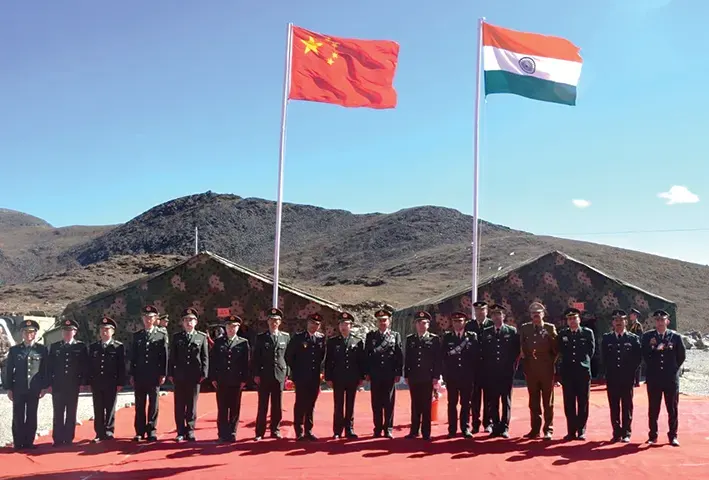
Held in Beijing and co-chaired by National Security Adviser Ajit Doval and China's Foreign Minister Wang Yi, this was the second round of talks post-Galwan in 2020. Both sides "reaffirmed" their commitment to "maintain peace and tranquillity in the border areas, and create an atmosphere for the healthy and steady development of bilateral relations."
The eight points are: pursuing an 'early and substantial harvest' on boundary issues based on the 2005 guiding principles; setting up two new border meeting points for senior military commanders to help de-escalate flashpoints; establishing two additional hotlines in the eastern and middle sectors of the LAC; holding an expert-level meeting on trans-border rivers, including data-sharing and the renewal of relevant MoUs, in September 2026; sharing real-time hydrological data during sudden, unforeseen emergencies on humanitarian grounds; increasing infrastructure and tour batches for Indian pilgrims visiting Mount Kailash and Lake Mansarovar; reopening designated border trading points; and finalising the 26th round of talks in India in 2027.
"The two sides underlined their commitment to advancing negotiations on a framework," signed in 2005, and the consensus reached in special representatives' talks, "in pursuit of a fair, reasonable and mutually acceptable solution."
The 2005 agreement has 11 points as political parameters and guiding principles for a boundary settlement, with Article III underscoring mutual understanding and mutually acceptable adjustments to their respective positions on the boundary question, so as to arrive at a package settlement to the boundary question. Article IV states that both sides will give due consideration to each other's strategic and reasonable interests and the principle of mutual and equal security, while Article V specifies the need to take into account the historical evidence, national sentiments, practical difficulties, reasonable concerns and sensitivities of both sides, and the actual state of the border areas.
While the ground realities may be vastly different, at least on paper such claims, even if they make for complicated but nevertheless good reading, are significant and give a sense of hope, if not solutions, to the longstanding border conflict between the two countries.
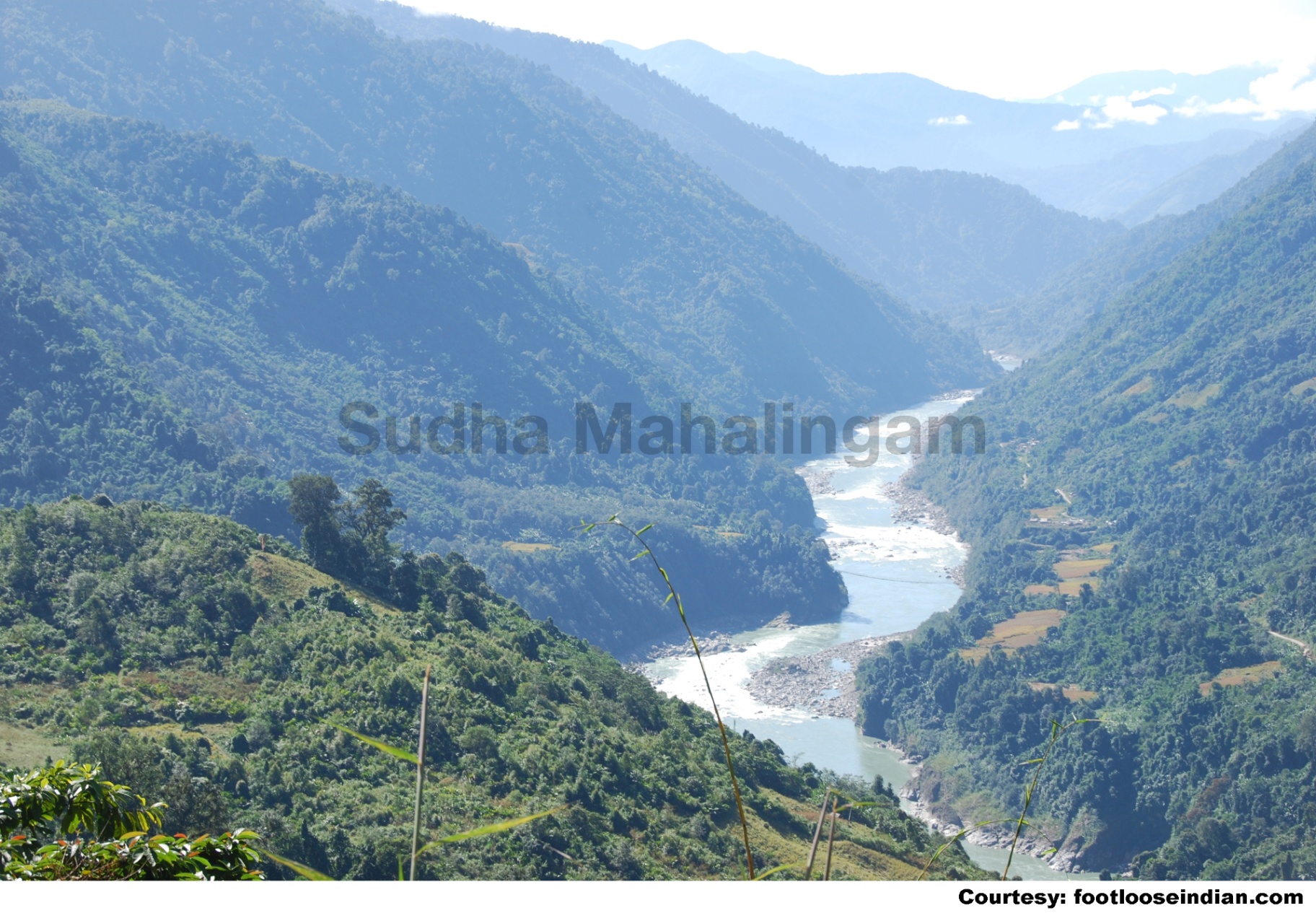
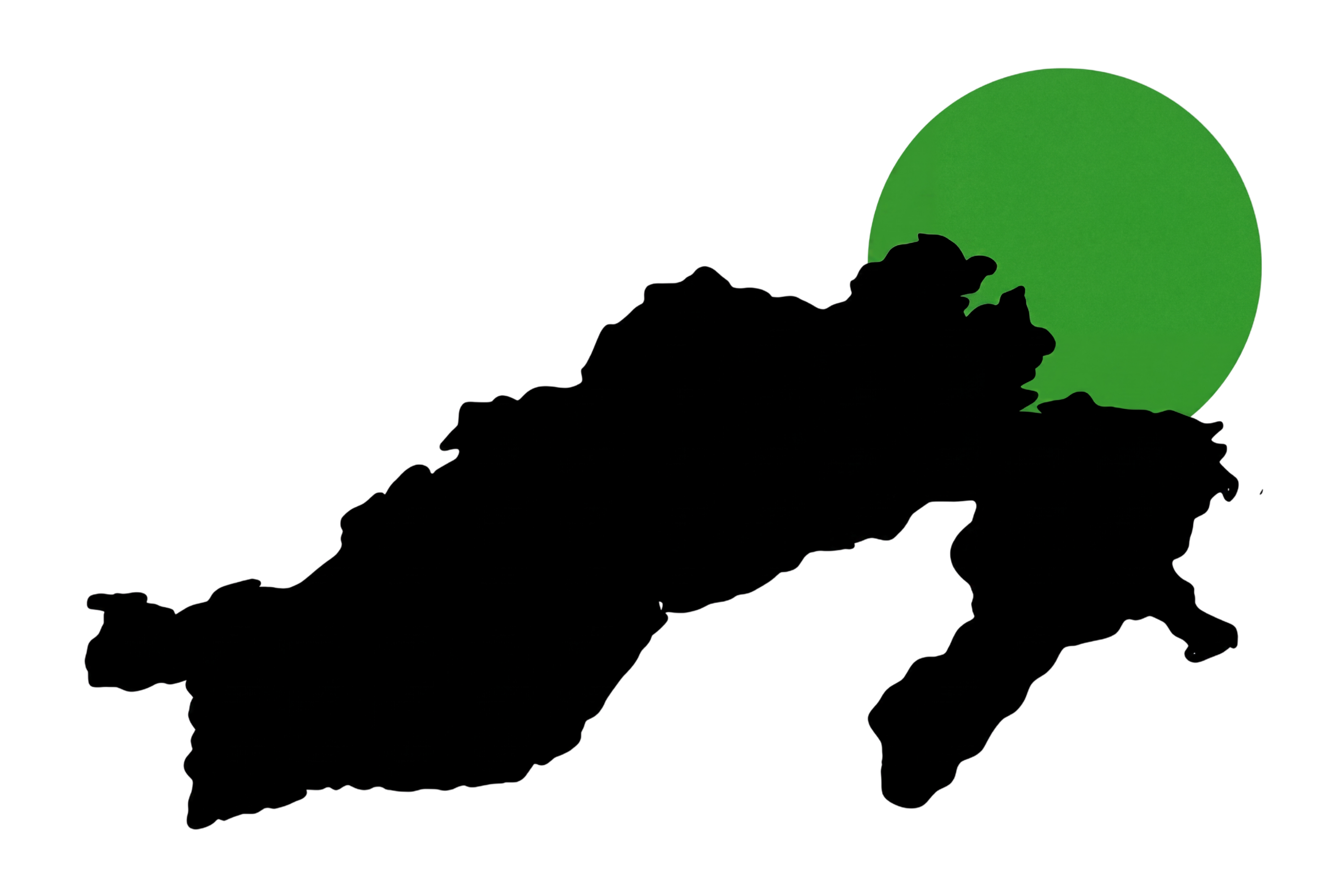
With recent claims by communities of Chinese intrusion in Taksing in Upper Subansiri district and China's claim over Arunachal Pradesh, these agreements to engage in serious talks are important, though one cannot necessarily be certain or cheerful, given how distinctly different perceptions of the boundary are among local communities, who do not necessarily agree with either India's or China's claims and definitions on the borders.
The claims and counterclaims will continue. What local communities in Arunachal accept as theirs is different from what the Indian government acknowledges because there is no clarity on the ground and no demarcated boundary.
The traditional grazing grounds are now mostly contested land, particularly in Anjaw, Upper Subansiri and Dibang Valley, among the 12 districts that share a border with Tibet. New Chinese settlements have also been reported near the border along the LAC.
Several communities have traditionally had relationships across the border with Tibet, which is now an occupied land. All forms of trade and transactions between the border communities, even those that have traditional ties, are out of bounds now.
In border talks, since a certain amount of exchange, covertly or overtly, will happen and those exchanges will always be contentious, it is also important to learn to respect what the locals are saying. In some places, indigenous communities living along the borders know their traditional boundaries, but their traditional maps and those of India and China are not necessarily the same because of differing perceptions by all three.
But having an understanding to "resolve outstanding issues and avoid misunderstanding and miscalculation along the LAC" is important.
The latest round of border talks has also resulted in two additional meeting points for holding general-level mechanism/senior highest military commander meetings and two additional channels of border military hotlines in the eastern and middle sectors.
While the exact locations have not been made public, in the eastern sector, Bum La in Tawang and Kibithu in Anjaw, along with Nathu La in Sikkim, have been hosting such meetings.
The fact that the talks are happening is a good step in itself, as India and China cannot afford not to talk for a prolonged period, even if the relationship remains frosty and one can never be sure when the mood might change in Delhi and Beijing. But these talks are a welcome step, rather than not talking at all. A lot will also be dictated by domestic politics in both countries, as borders are a congenial place, and flaring tensions in those distant borderlands are a tool to distract people from engaging in discourses that might be inconvenient for the leadership. (For details Eight Points of Outcomes and Consensus for the 25th round of Talks between Special Representatives of India and China on the Boundary Question)