[ Prem Chetry ]
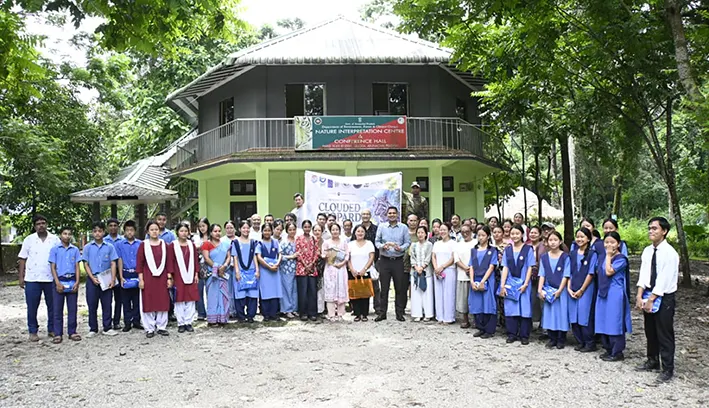
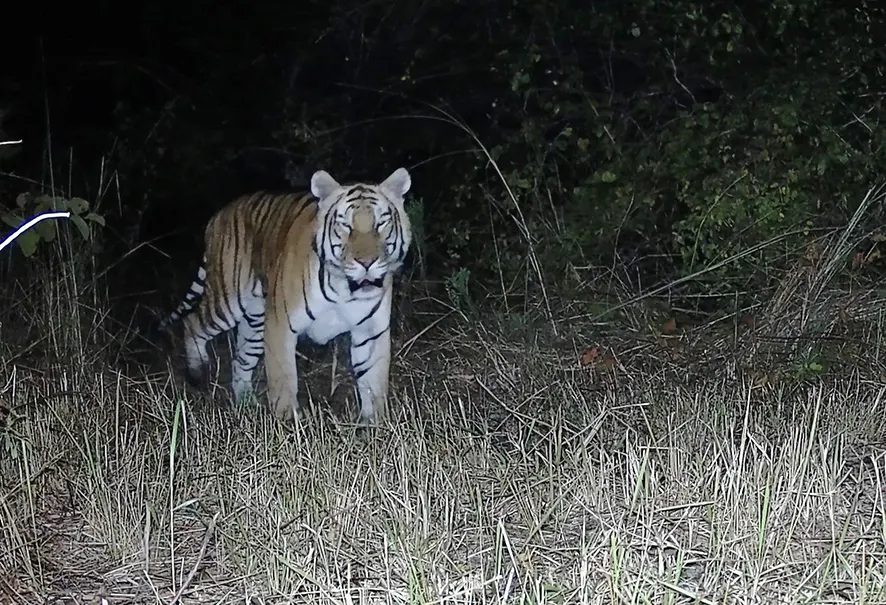
WAKRO, 8 Oct: In a first-of-its-kind initiative aimed at inculcating a deeper appreciation of wildlife and nature among the younger generation, two schools have been adopted for a structured nature education programme titled 'Classroom in the Wild' by the Kamlang Tiger Reserve (KTR) & Wildlife Sanctuary here in Lohit district.
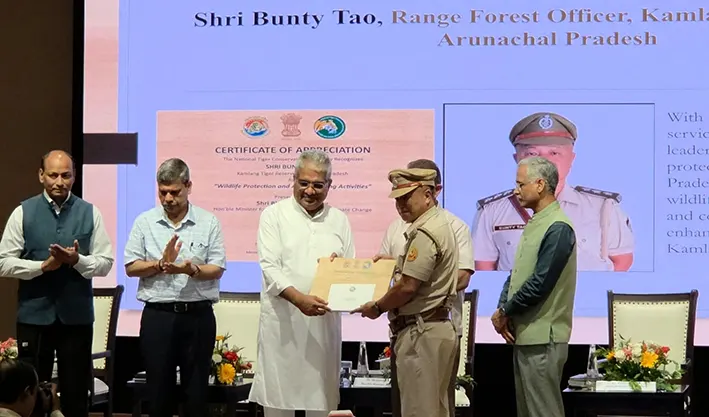
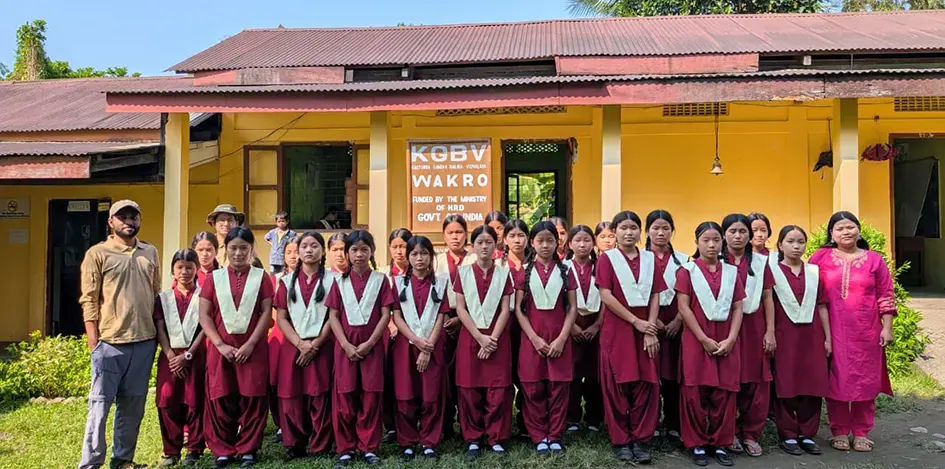
Initiated by Range Forest Officer (RFO) Bunty Tao, who is also the president of the Rangers Federation of Asia and has extensive international experience, the initiative has received the support of two schools - Apna Vidya Bhavan and Kasturba Gandhi Balika Vidyalaya - which have agreed to introduce classes on wildlife and nature. The latter school will hold its first such class for Class 8 students on 10 October.
"The initiative will help bridge the gap between young minds and nature, and develop a deeper understanding of wildlife and the natural environment," Tao said.
The initiative represents a significant shift from occasional environmental awareness programmes towards a more continuous, structured and experiential model of nature education. The concept is based on the principle that forests and protected areas themselves can serve as an extended classroom where students can learn about biodiversity, ecology, wildlife, conservation, and environmental responsibility through direct interaction with nature.
The objectives of 'Classroom in the Wild' include developing long-term interest in wildlife and biodiversity among school students, introducing them to the local flora and fauna of the Kamlang landscape, encouraging regular nature observation and field learning, and developing basic ecological and scientific observation skills.
The initiative also seeks to promote awareness of protected areas and wildlife conservation, encourage responsible behaviour towards forests and wildlife, build a sense of ownership and stewardship among the younger generation, establish a long-term relationship between local schools and the KTR, and encourage students to become ambassadors of conservation within their families and communities.
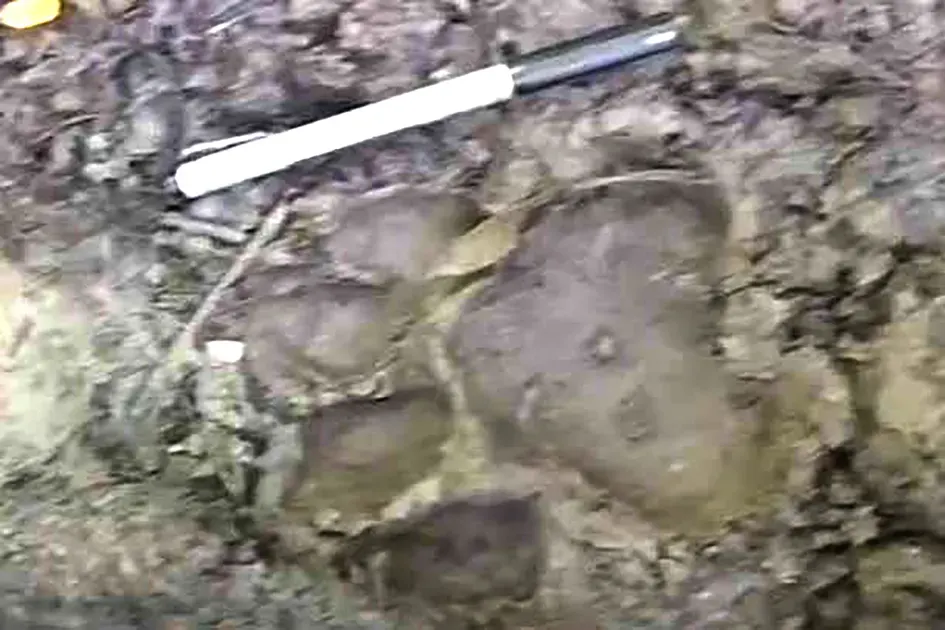
Under the initiative, nature education can progressively include both classroom and practical activities, such as biodiversity walks, birdwatching, butterfly and insect observation, identification of flora and fauna, interpretation of wildlife signs, camera-trap operation exposure, nature journaling, and field sketching.
Other proposed areas include waste management and environmental stewardship, understanding human-wildlife coexistence, conservation storytelling, traditional ecological knowledge, forest and wildlife laws, interaction with subject experts, basic survival skills, species' identification, nature camps, and interaction with Forest Department personnel and field staff.
"The programme is intended to make nature education a continuous learning process conducted on the first and fourth Saturday of every month as part of the students' regular classroom routine, rather than a once-a-year activity," Tao said.
He added that the adoption of the two schools is envisioned as a significant step towards establishing a long-term model of conservation education in Arunachal Pradesh.
"It places local students at the centre of conservation awareness and seeks to build a generation that understands wildlife not merely as a subject in textbooks but as an integral part of the landscape in which they live," Tao said.
The initiative also provides an opportunity for the KTR to develop a replicable model of protected area-school partnership for nature education.
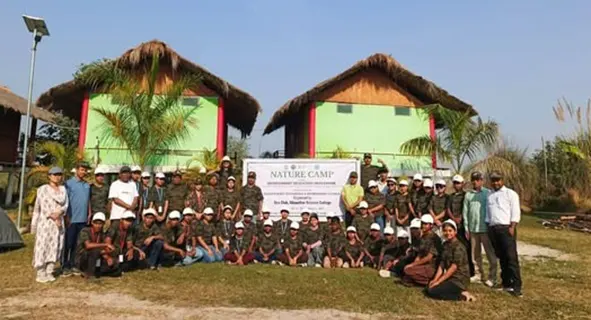
The initiative is expected to strengthen the connection between local schools and the protected area by providing students with opportunities to learn directly from the natural environment. During the Wildlife Week biodiversity walk from Sinbrai to Champa, for instance, students observed forest vegetation, birds, insects, reptiles and other signs of wildlife, and also encountered a keeled box turtle in its natural habitat.
According to the RFO, the 'Classroom in the Wild' initiative seeks to move wildlife education beyond occasional awareness campaigns and towards sustained engagement, with children placed at the centre of efforts to understand, appreciate and conserve the forests and wildlife of the Kamlang landscape.