[ Prem Chetry ]
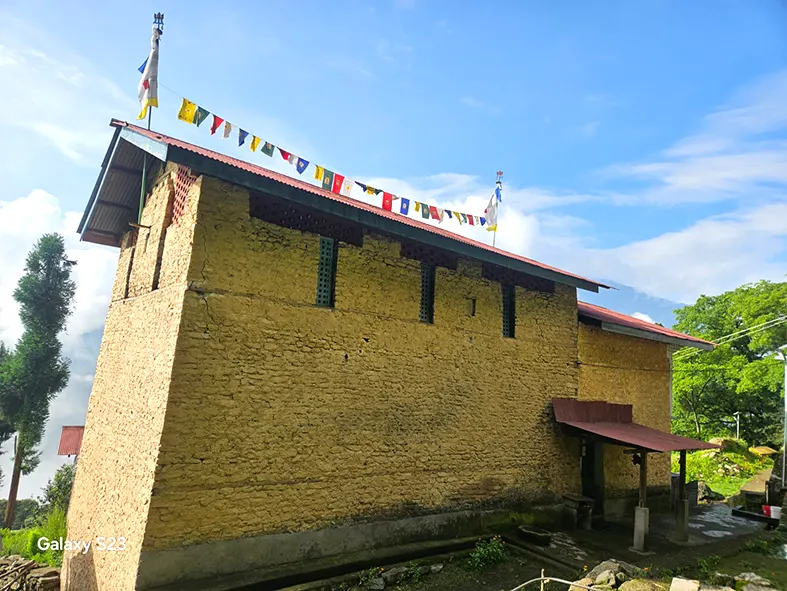
TAWANG, 17 Jun: Centuries after his time, Makpon Kher-Gyamtso remains a legendary figure in the Monpa region. Though little known beyond local history, his story continues to live on through folklore, oral traditions, historical accounts, and the descendants who still reside in Gomkang village of Tawang district.
Born during the reign of the 5th Dalai Lama in the late 17th century, Kher-Gyamtso earned a reputation for extraordinary strength, courage, and leadership. To the people of Monyul, he was more than a warrior-he was a symbol of resilience and bravery whose fame reached far beyond the region, extending into Tibet and Bhutan.
Despite being short in stature, Kher-Gyamtso was known from a young age for his exceptional physical abilities and warfare skills. He became known as Masang Kher-Gyamtso, with ‘Masang’ being a title reserved for individuals of remarkable strength and prowess.
Local elders recall that he was one of nine legendary warriors collectively known as the Masangs.
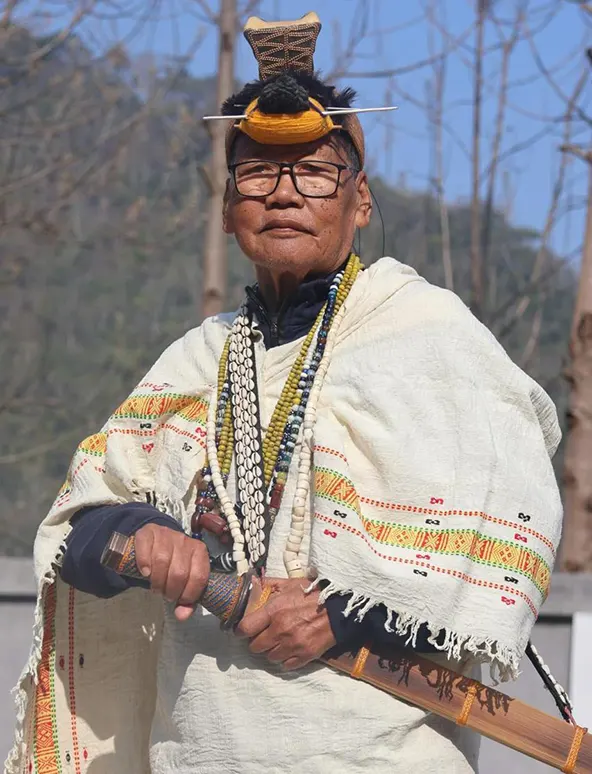
According to Kelsang Pelley, one of Kher-Gyamtso’s descendants, stories of his exploits are still widely told.
One popular legend says he once leapt across the Tawang Chu River in a single bound, demonstrating his incredible agility and strength.
Another tale recounts how he travelled to Tibet and defeated a renowned local strongman in a contest of strength, earning admiration and recognition far from home.
Among the famed Masangs of the Monpa community, Kher-Gyamtso and Masang Phuntsok Dakpa stood out as influential leaders. Their service to both the Monpa and Tibetan communities won them widespread respect.
Eventually, Kher-Gyamtso was appointed as Makpon, a military commander, with the responsibility of protecting the monastery and defending the Monyul region (Southern regions of Tibet) during an era marked by political uncertainty and territorial disputes.
Historical accounts suggest that he played a key role in safeguarding the region from threats emerging from both the eastern and western frontiers of Bhutan.
One of the most notable chapters of his military career was his involvement in a border conflict between the Monpas and Bhutan.
Kher-Gyamtso is also remembered for leading military expeditions on behalf of Tibet. His tactical skills and reportedly undefeated record in battle earned him a formidable reputation and established him as one of the most respected commanders of his time.
In recognition of his loyalty and service, the 5th Dalai Lama is believed to have granted special privileges to Kher-Gyamtso and the people of Gomkang village. These included exemptions from taxes and certain monastic obligations, freedom from the customary requirement of sending a son to join the monastery, and rights to cultivate and manage land around Ser-Tso and neighbouring areas. Local tradition holds that these benefits continued for many generations.
Historical records also indicate that a matrimonial alliance was arranged to strengthen ties between Kher-Gyamtso and eastern Bhutan. As part of this alliance, he married a woman from a Bhutanese noble family, further cementing relations between the two regions.
Even today, traces of Kher-Gyamtso’s legacy remain.
Villagers point to large rocks near Gomkang and surrounding areas bearing what are believed to be his footprints, which are revered as sacred sites. A human skull identified as his is preserved in the museum of Tawang Monastery, while sword marks attributed to him can reportedly still be seen at the main gate of Tashi Gang Zhong in eastern Bhutan.
For the people of Gomkang and the wider Monpa community, Makpon Kher-Gyamtso is more than a historical figure. His descendants continue to carry the title of ‘Makpon,’ keeping alive the memory of a warrior whose courage, leadership, and service have endured through generations. His story survives not only in records and relics, but also in the songs, legends, and collective memory of the people he once protected.