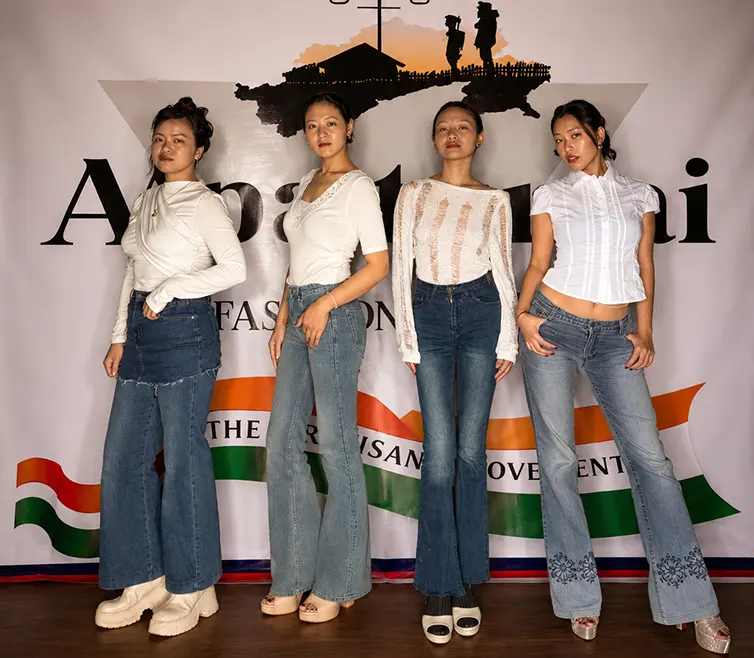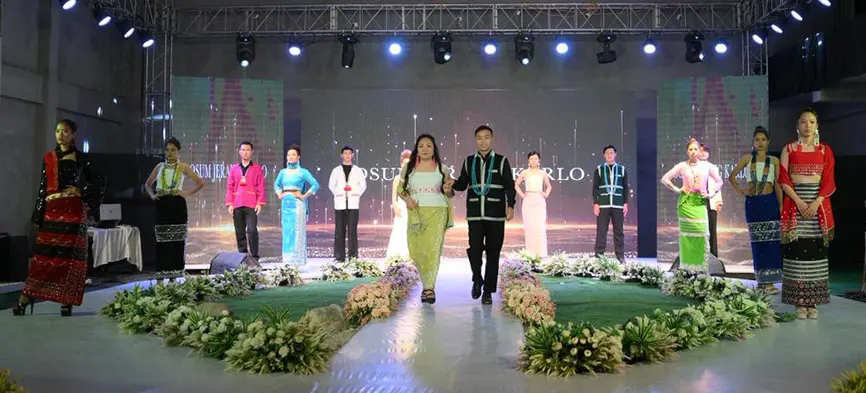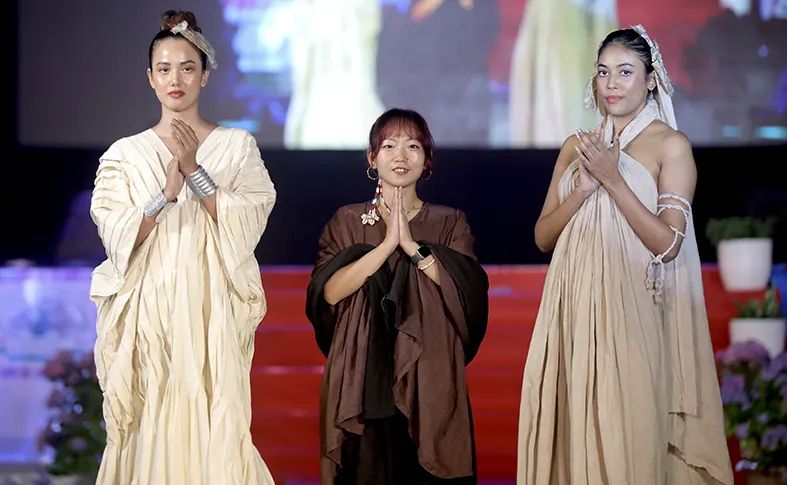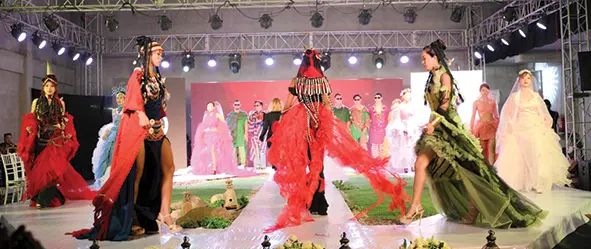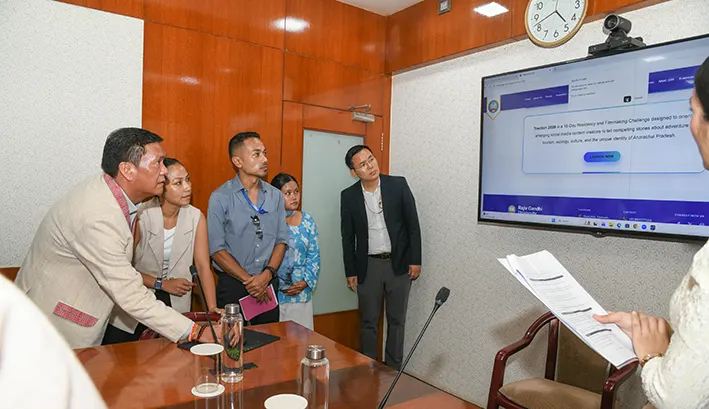

NAHARLAGUN, 8 Jun: More than 100 aspiring models participated in the final audition for Apatani’s Next Top Model 2026, a flagship initiative under the Apatani Fashion Week 2026 that seeks to position indigenous textiles, handicrafts, and cultural enterprises from Arunachal Pradesh on national and international platforms while creating livelihood opportunities for youths, artisans, weavers and entrepreneurs.
The final audition was conducted by the SiilangDitting Dree Festival Celebration Committee, in collaboration with the Fashion and Design Council of Arunachal Pradesh. The physical and online audition process attracted approximately 104 aspiring models, reflecting growing interest among young people in the creative economy, fashion, and cultural entrepreneurship. Around 30 contestants will now be shortlisted to participate in Apatani’s Next Top Model 2026.
Being organised as part of the Dree Festival celebrations, the initiative aims to go beyond a conventional fashion event by creating a platform that connects indigenous culture with entrepreneurship, market access, skill development,and sustainable livelihoods. The event seeks to strengthen opportunities for artisans, weavers, self-help groups, designers and creative enterprises while showcasing the cultural richness of the Apatani community.
With the completion of the audition process, registration for designers, weavers, artisans, self-help groups, exhibitors, and participating brands have officially closed.
Speaking on the occasion, Kago Jorang, CEO of Apatani Fashion Week and Apatani’s Next Top Model, stated that the initiative is about much more than fashion.
“Through this platform, we want to create opportunities for our youths while strengthening and promoting our indigenous industries. Arunachal Pradesh is rich in traditional knowledge, craftsmanship, weaving and cultural heritage. We believe our artisans, weavers, designers and entrepreneurs have the potential to create products that can compete in national and international markets. Through continuous learning, innovation and quality improvement, we hope to develop market-ready and export-quality products that can generate sustainable livelihoods for our communities. Apatani Fashion Week and Apatani’s Next Top Model are platforms to encourage talent, promote entrepreneurship and inspire young people to transform creativity into opportunity.”
Angie Ngoba Namchoom, CEO of Arunachal Fashion Week, said that community fashion weeks are designed to strengthen the entire ecosystem surrounding indigenous fashion and craftsmanship.
“Fashion does not begin on the runway. It begins with farmers, sericulture practitioners, weavers, artisans and traditional knowledge holders. The runway is only the final stage of a much larger journey. Our vision is to build an ecosystem where artisans, weavers, designers, entrepreneurs, self-help groups,and youths can grow together while preserving the authenticity of our culture,” she said.
She further stated that the objective extends beyond organising an annual event.
“Following Apatani Fashion Week, we aim to continue working with artisans, weavers, designers and entrepreneurs through workshops, mentorship programmes, product development initiatives, and market-linkage opportunities. The goal is to strengthen skills, improve product quality, enhance branding and storytelling, and prepare indigenous products for larger markets.”
Yana Ngoba Chakpu, founder and chairperson of Northeast India Fashion Week and chairperson of Arunachal Fashion Week, emphasised the growing global demand for authentic handmade products and indigenous craftsmanship.
“In today’s world, consumers are increasingly looking for products that have authenticity, sustainability and cultural value. Handmade textiles and handicrafts are not simply products; they carry stories, identity, heritage, and generations of knowledge. Arunachal Pradesh has immense potential to become a recognised destination for indigenous fashion, textiles and craftsmanship,” she said.
Apatani Fashion Week 2026 will feature fashion showcases on 1 and 2 July, bringing together designers, weavers, artisans, self-help groups, and emerging talents from across the region.
The event will also feature renowned designer Rupert Wanlambok Lynrah from Meghalaya, who will showcase his collection and serve as a member of the jury panel. Joining him on the jury and showcase platform will be Angie Ngoba Namchoom and designer Zenit Khunjuju, bringing together diverse experience and expertise from across the Northeast fashion industry.
In addition to the fashion showcases, an ‘exhibition and learning space’ will be organised throughout the event period, providing a platform to showcase indigenous textiles, handicrafts, traditional knowledge systems, community enterprises, and creative businesses. The exhibition will continue until 6 July, allowing visitors, students, buyers and stakeholders to engage directly with artisans and creators while gaining a deeper understanding of the Apatani culture, craftsmanship, and entrepreneurship.
The organisers stated that Apatani Fashion Week is envisioned as a long-term community development platform, rather than a standalone event. Through continued engagement, workshops, mentorship, capacity-building initiatives and collaborative efforts, promising artisans, weavers, designers, products and creative enterprises will be identified and nurtured for wider opportunities.
As part of this vision, selected talents, collections, textiles, handicrafts and products emerging from the Apatani Fashion Week will be further developed and presented at the Arunachal Fashion Week. This approach aims to create pathways to national and international markets while presenting a cohesive representation of Apatani creativity, craftsmanship, textiles, and cultural heritage.