[ Badak Yomgam ]
The upcoming expiration of the 1996 Ganga Water Sharing Treaty in December 2026 presents a critical diplomatic juncture that India can leverage to counter upstream dam construction by China on the Yarlung Tsangpo, which becomes the Brahmaputra downstream.
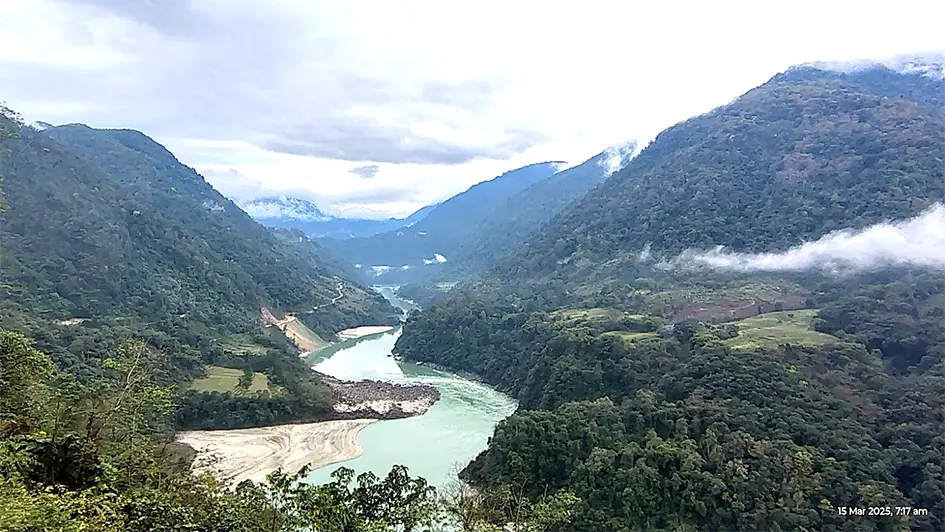
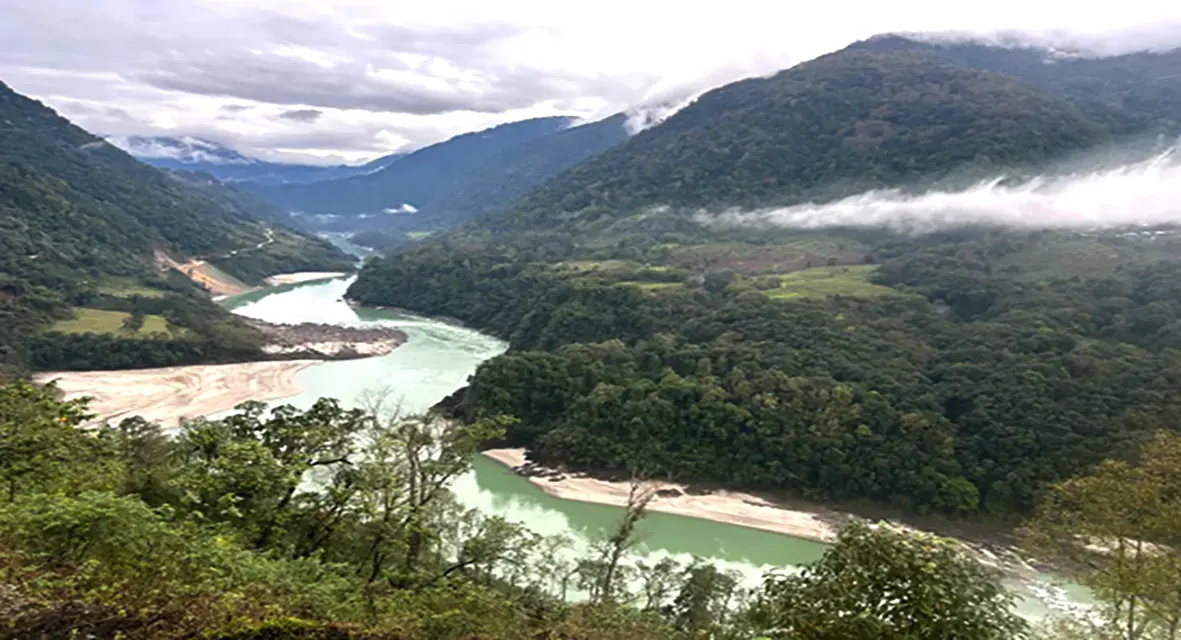
Concurrently, New Delhi has proposed the massive Siang Upper Multipurpose Project in Arunachal Pradesh as a strategic water shield to establish prior appropriation rights and cushion against artificial floods or water diversion by Beijing. However, this unilateral project faces intense local resistance from the indigenous communities because the resulting reservoir would submerge numerous ancestral villages, displace thousands of families, and destroy the fragile biodiversity of the Eastern Himalayan region. Building this mega dam against the will of the local population not only risks internal social instability but also threatens an ecologically volatile, earthquake prone zone.
The situation is further complicated by a sudden influx of commentary regarding the Siang Upper Multipurpose Project by individuals who do not reside in Arunachal and have never visited the Siang region. For the indigenous communities who face the immediate consequences of displacement, it is deeply concerning to see external writers who have never spoken to the affected villagers or visited the region suddenly speaking on the project with apparent authority. This phenomenon gives the impression of a coordinated narrative shift, potentially serving as an indirect strategy to oversee the genuine welfare and opposition of the local people by overwhelming their firsthand grievances with detached, high level geo-political arguments. When external narratives justify the destruction of ancestral lands under the guise of national security, they disregard the fact that true security cannot be achieved by disenfranchising a region’s own citizens.
From a legal standpoint, India attempting to build unilateral mega dams to counter China undermines its own position under customary international law. If India modifies the river system downstream, China can argue that India is causing similar ecological alterations, thereby neutralising New Delhi’s claims as an aggrieved lower riparian state. Because China is not a party to global water treaties and generally rejects the compulsory jurisdiction of the International Court of Justice, India cannot successfully challenge Beijing alone. Rushing into a project that threatens to submerge hundreds of villages while ignoring local voices weakens the country’s democratic and moral position, especially when more effective diplomatic options are available.
Instead of proceeding with the destructive Siang project, India should re-sign and upgrade the 2026 treaty with Bangladesh to encompass all shared transboundary rivers, legally binding the entire Ganges-Brahmaputra-Meghna basin as a single ecological entity. This updated accord must formally codify international principles regarding the obligation not to cause significant downstream harm and establish a joint monitoring framework. Once this bilateral regime is institutionalised, any unilateral water diversion by China ceases to be a localised dispute with India and becomes a collective threat to the environmental security of an entire international river basin. Armed with this joint treaty, India and Bangladesh can present a unified front at global forums like the United Nations Security Council to declare upstream water manipulation a threat to regional security, or leverage international tribunals to expose China’s violations of customary environmental law. This collaborative approach applies immense diplomatic and reputational pressure on Beijing, mounting a powerful global defence without destroying the communities and ecosystems of Arunachal. (The contributor is a PhD scholar)