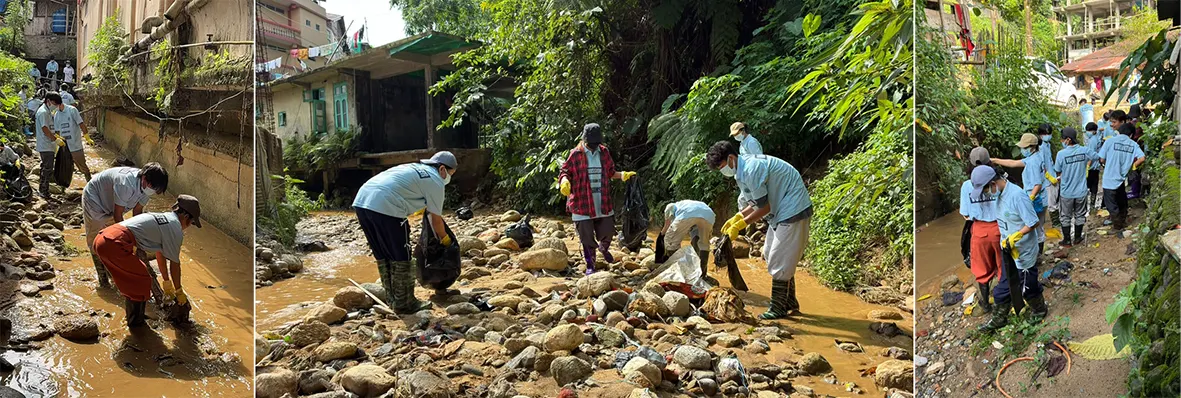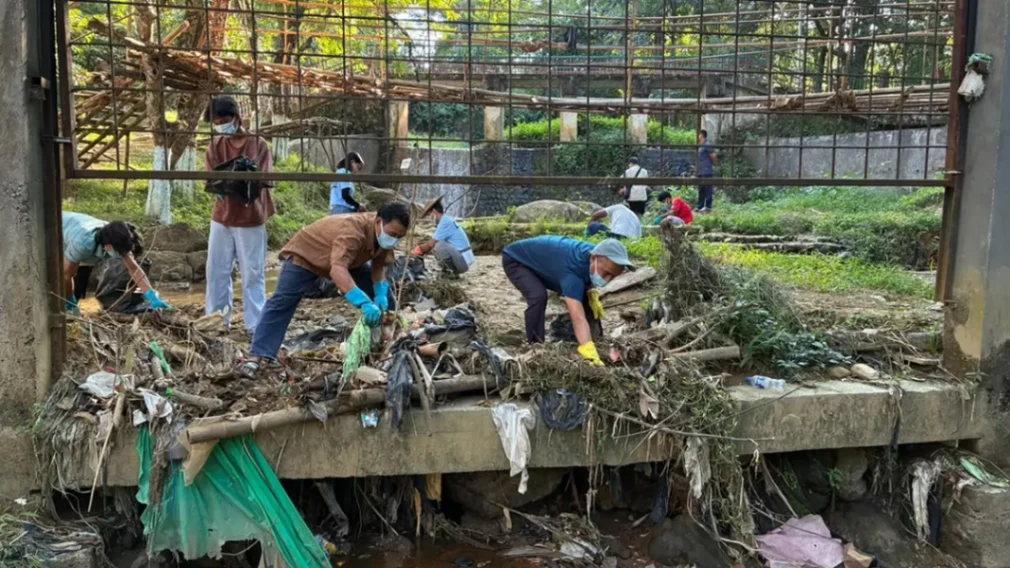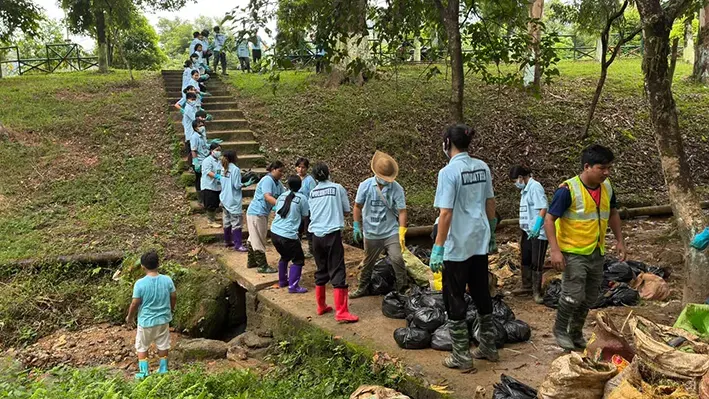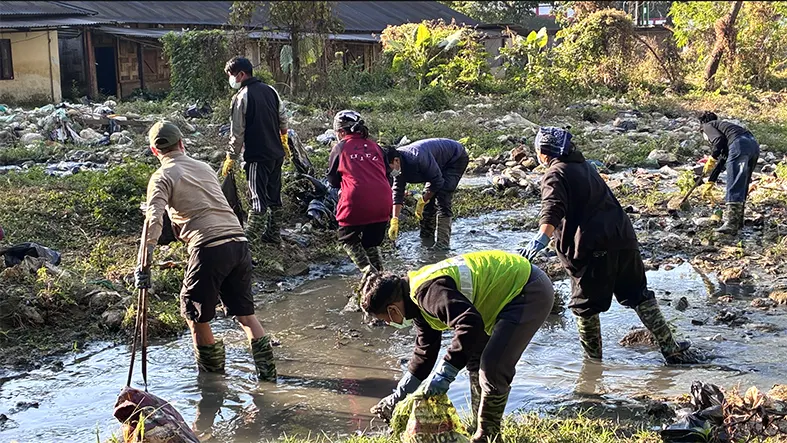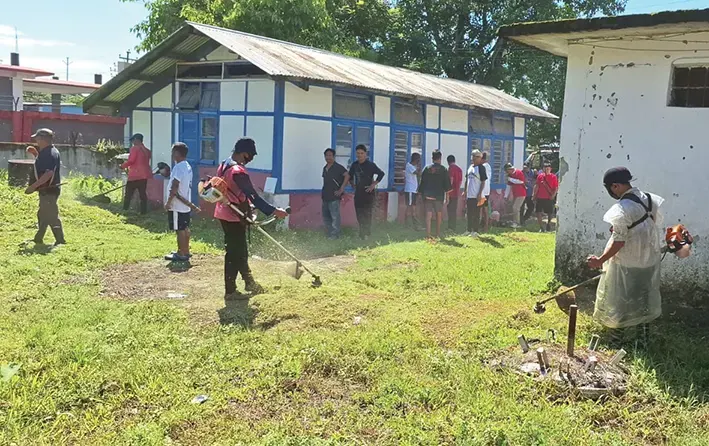
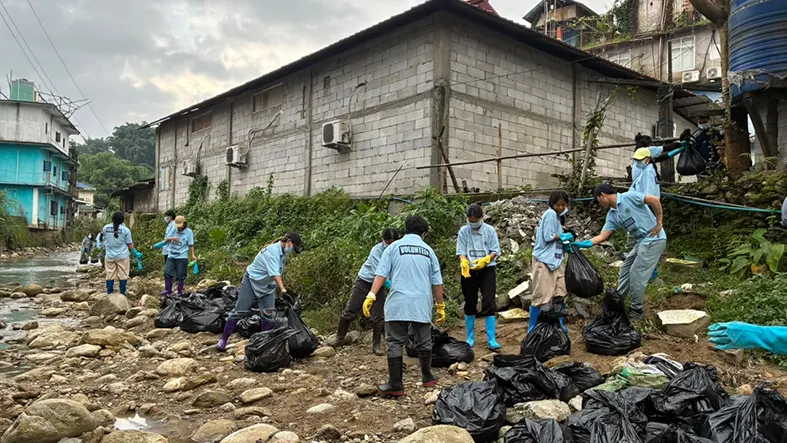
ITANAGAR, 3 Aug: Volunteers removed 2,160 kg of waste from the Yagamso riverbed and its banks at Chandranagar in Itanagar during a clean-up drive on Sunday.
The drive was jointly organised by the Youth Mission for Clean River (YMCR) and the Abralow Memorial Multipurpose Society (AMMS) on Sunday, with support from the Itanagar Smart City Development Corporation Ltd (ISCDCL).
Following the removal of debris, volunteers conducted a comprehensive waste audit to determine the primary causes and sources of pollution affecting the river body.
The audit revealed a predominance of single-use plastics, packaging materials, construction debris, old clothing, and household waste.
The organisers on Monday said the diverse array of waste highlights a combination of unchecked littering and improper domestic waste disposal in the area.
Highlighting the significance of the exercise, YMCR vice chairman Keyom Doni said the waste audit was critical to understanding the specific pollutants impacting the river system.
“The audit allows us to move beyond simply removing waste to identifying what is polluting the river and why,” Doni said, emphasising the urgent need for heightened community awareness and stricter local waste management measures.
He said the YMCR plans to conduct similar clean-up drives at regular intervals and will present the collected audit data to local authorities and residents to encourage sustainable waste management practices.
Meanwhile, in an effort to promote environmental responsibility among the city’s residents, the YMCR, in collaboration with the AMMS and with support from the ISCDCL, conducted a door-to-door information, education and communication (IEC) campaign across several residential localities of the capital city.
The campaign covered Industrial Colony, Chandranagar, IG Park Colony, and Niti Vihar Tinali in Itanagar, with volunteers visiting approximately 200 households to sensitise residents to the importance of waste segregation, the dangers of river pollution, the different types of waste generated at the household level, their consequences on public health and the environment, and scientifically sound methods of waste disposal.
Teams of volunteers went from house to house, engaging directly with residents, distributing informational material, and demonstrating simple, practical steps for segregating biodegradable and non-biodegradable waste at source.
Special emphasis was placed on the harmful effects of dumping waste into rivers and drains, a practice that continues to pose a serious threat to the water quality of the Itanagar river system and the health of the wider ecosystem it supports.
Speaking about the drive, YMCR vice chairman Keyom Doni said, “Clean rivers begin with clean habits at home. This campaign is not just about collecting waste responsibly; it is about instilling a sense of ownership among citizens towards their environment. We urge every household to treat waste segregation as a daily discipline, rather than an occasional exercise, so that our rivers and public spaces remain free from pollution for generations to come.”
He noted that such grassroots-level interventions are crucial in a rapidly urbanising city like Itanagar, where unsegregated waste and unchecked dumping have increasingly strained municipal waste management systems and contributed to the degradation of local water bodies.