[ Prem Chetry ]
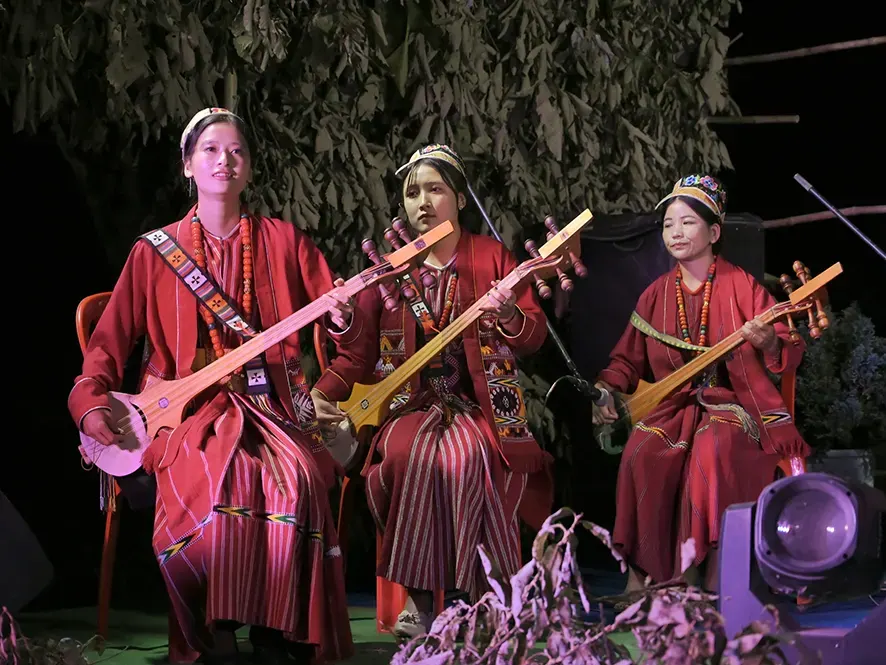
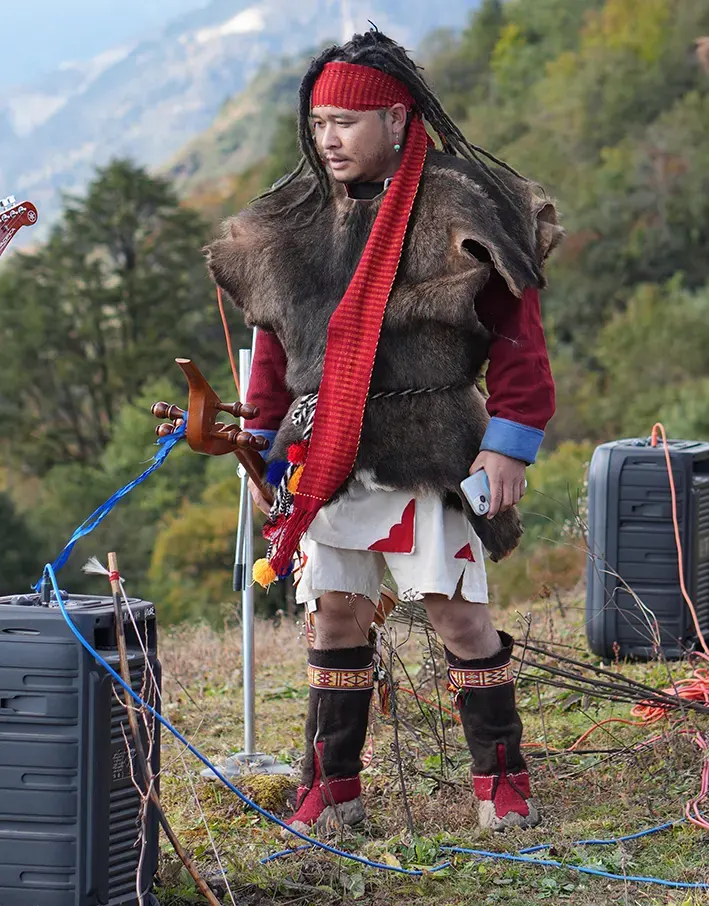
BOMDILA, 31 Aug: What could have become an old fading sound is now being revived by creating folk fusion of Monpa folk songs, Righung, in a new form, without alerting their originality, thanks to Tenzin Donyoi.
Donyoi, a 26-year-old from Nyukmadung village in Dirang subdivision of West Kameng district, is the youngest folk singer among the Monpas of both Tawang and West Kameng districts.
"The richness of our culture lies in its folk songs and folk culture. They reflect our understanding, literature, perception towards nature and all living beings," said Donyoi.
He said that "our age-old culture has a long journey passed through generations, and it is our folk culture that has nurtured our civilisation."
Donyoi, who underwent a six-month training with the Tibetan Institute of Performing Arts in Dharamshala in Himachal Pradesh in 2021, had initially no interest in folk songs. However, finding the richness of Tibetan music, he was propelled to learn and know about Monpa folk songs.
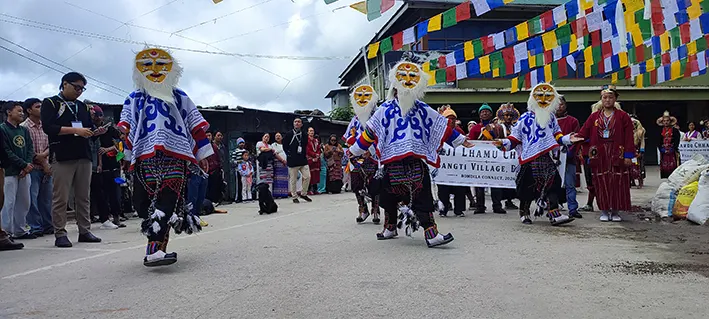
He was partially inspired by his father Dorjee Tsering. His grandfather and great grandfather were professional trainers of the popular yak cham.
He vowed to revive the lost glory of the Monpa folk songs, for which he has started combining folk songs with rock to brand folk fusion without changing the originality of the songs.
According to him, in folk fusion, the rhythm of the songs remains unchanged, with the original lyrics. Rock music is blended, creating an appealing note for the audience.
With more than 90 per cent Rigjung, the folk songs celebrate natural elements, including mountains, rivers, spring, sky, sun, moon, stars, birds and animals, and the remaining 2-3 per cent songs romanticise nature.
In this genre, most of the Monpa folk songs are categorised as slow, moderate and fast beats, such as 'So So, So' 'Dang Alay', 'Olay Sanga' and 'Guntey Gung'.
"I have been performing folk songs on various occasions. However, those who love my songs are generally elders. Perhaps youths have no attachment with these songs, and if our youths ignore our own rich cultural identity today, they will be left without a legacy tomorrow." Donyoi added.