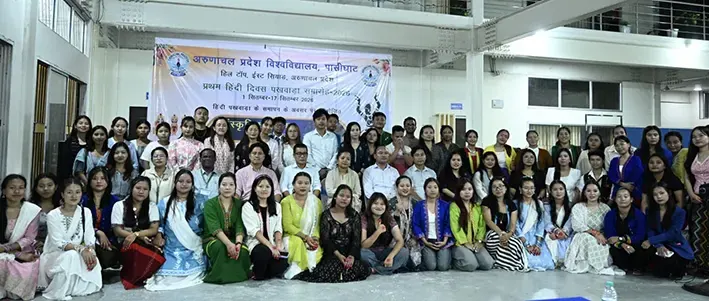
PASIGHAT, 17 Sep: The first-ever Hindi Pakhwada at Arunachal Pradesh University (APU) here in East Siang district concluded on Wednesday with a vibrant cultural evening titled 'Sanskritik Sandhya: Abhivyakti Ka Utsav', marking the culmination of a fortnight-long celebration of Hindi literature, creativity and cultural expression.
Organised by the APU's Hindi department from 1-17 September, the pakhwada was the first major initiative of the department since its establishment in August 2025. The department currently offers MA and PhD programmes in Hindi.
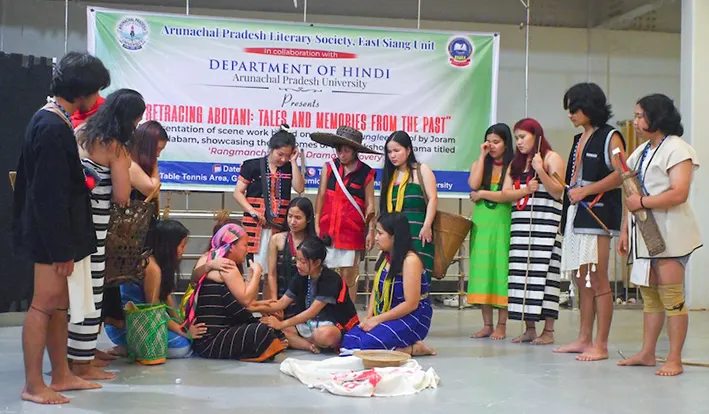
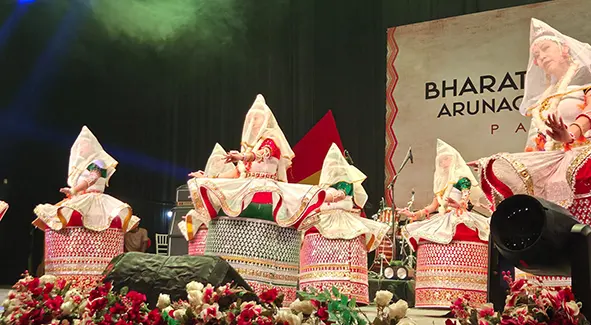
The valedictory evening was centred around literature, theatre, music and dance. The highlight was a staging of Bhartendu Harishchandra's celebrated satirical play 'Andher Nagari' by students of the Hindi department, followed by musical and dance performances by students.
Addressing the gathering, APU Registrar Narmi Darang commended the Hindi department for the initiative and lauded the enthusiastic participation of students, faculty members and staff.
He said such academic, literary and cultural activities would help foster a vibrant and enriching academic environment at the university, and underlined the role of language and literature in promoting creativity, communication and cultural understanding.
Earlier, APU's Hindi HoD Dr Ing Perme highlighted the significance of Hindi Diwas, and described the University's first Hindi Pakhwada as a meaningful beginning towards building a tradition of dialogue, literature and cultural engagement at APU.
She thanked the university community for its active participation throughout the fortnight.
The pakhwada featured a series of academic and literary activities. On 8 September, a workshop-cum-employment awareness programme on 'Employment Opportunities and Prospects for Students of Hindi'was held to apprise students of academic and professional avenues in the field.
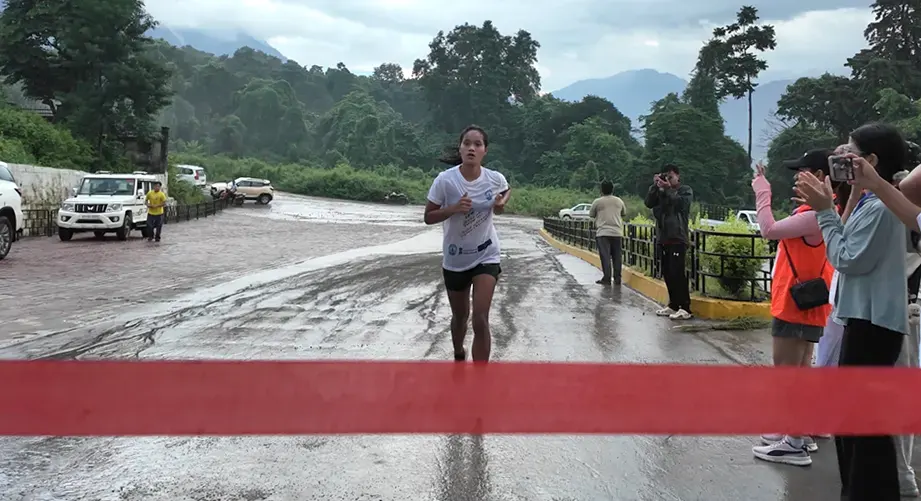
Literary competitions, including essay writing, self-composed poetry, extempore speech and poetry recitation were also organised. The poetry recitation was held in three categories - students, teaching faculty members and non-teaching staff - to encourage inclusive participation.
The programme was coordinated by Hindi Department Assistant Professor Dr Linu Ronya. She expressed gratitude to the university administration and acknowledged the collective efforts of facultymembers, officers, staff, research scholars and students.
She also acknowledged the organising team comprising Dr Aseng Apum, Nanang Yirang, Om Jong Tangha (all assistant professors) and Dakjum Ete.
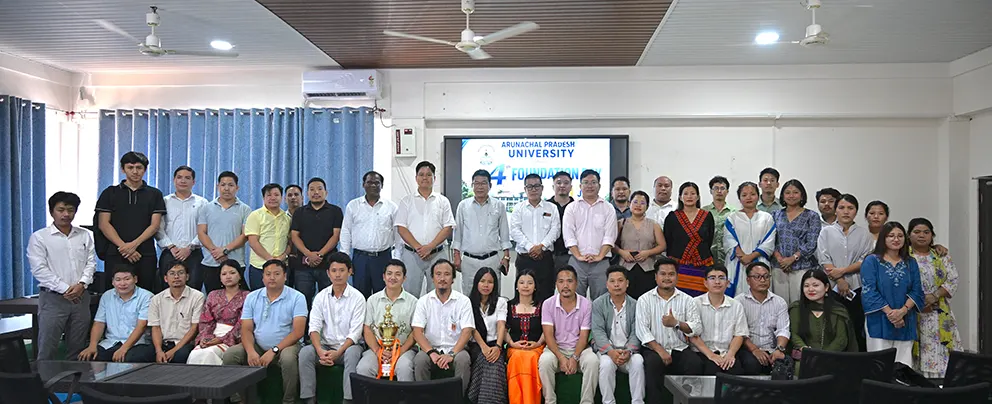
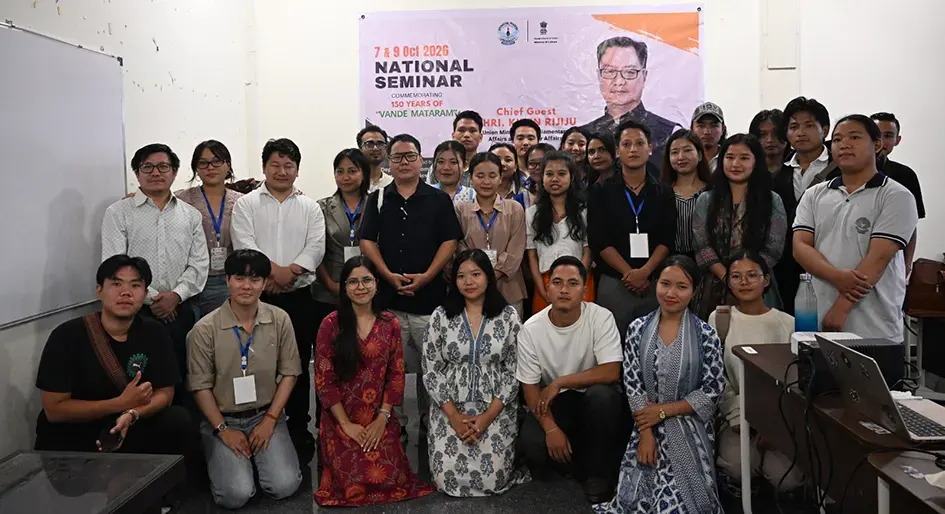
The valedictory function witnessed wide participation of faculty members, administrative officers, non-teaching staff, research scholars and students, reflecting the inclusive spirit of the celebration.