
Monday Musing
[ Tongam Rina ]
The Indian Gen Z or the cockroaches protest seeking accountability from the Modi government after NEET paper leak, which lasted for over a month, gathered pace with remarkable speed, accuracy and efficiency.
The movement reflected the impatience and refusal to tolerate nonsense for which this generation is often known. Narendra Modi, Amit Shah, Dharmendra Pradhan, Mohan Bhagwat, the RSS-BJP establishment, and the mainstream media that had long shaped the narrative appeared completely unprepared for the onslaught from young people. The term ‘Cockroach Janata Party’, which emerged after Chief Justice of India Surya Kant was reported to have used the word “cockroaches” while referring to youth, became a starting and rallying point.
The origin and interpretation of the phrase depend on whom one asks, but its timing was perfect for the birth of a movement that exposed the government’s vulnerabilities.
Responding to the chief justice of India’s reported remarks, Abhijeet Dipke, founder of the Cockroach Janata Party, who was sitting in America at the time, shared an Instagram post asking, “What if all the cockroaches came together?” As they say, the rest is history. A protest followed that shook the BJP out of its arrogance.
The protest that began at Jantar Mantar on May – June against the NEET paper leak and with the demand for union education minister Dharmendra Pradhan’s resignation. It evolved into a nationwide movement against the government itself and forced the minister’s ouster.
The Gen Z protesters set the terms of the movement with clarity and purpose: “Unlike you, we have no time for nonsense. These are our demands, and this is how we want them addressed.” Their messaging was specific and disciplined.
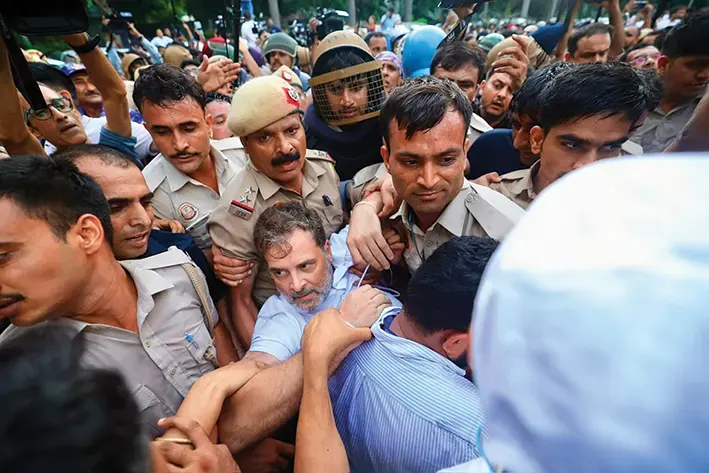
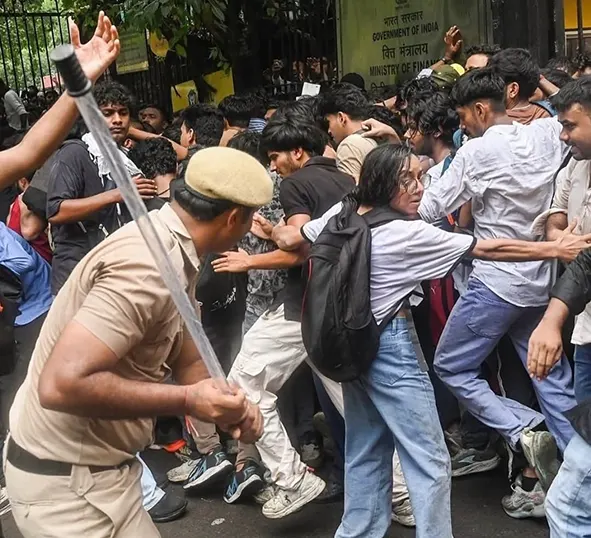
After the Delhi Police unleashed violence on its own citizens, the movement gathered momentum, helping to galvanise the protest further, well beyond Delhi, much to the government’s annoyance and shock.
Given the popularity of the movement, they could have prolonged it, but they did not once their conditions were met and the minister was ousted. In a short time, they brought the government to the brink, exposed the corporate media, left the judiciary looking helpless, and made the BJP’s much-celebrated IT cell – which had helped propel the party to power through social media campaigns built on vitriol and hatred, particularly against women, Muslims and Christians – appear like amateurs.
For years, the BJP perfected the art of political communication through social media. This time, Gen Z beat the government at its own game. The Modi government has a great deal of catching up to do. For now, it appears to have lost the plot, relying instead on what it knows best: chaos, violence and silence. That formula is no longer working.
The fact that such a large-scale protest took place on the streets, and was not confined to social media, despite the executive, the judiciary and much of the corporate media being seen as firmly aligned with the government, makes it all the more significant.
From now on, the Modi government should remember that when popular demands unite Indians across their differences, the consequences can be profound and politically damning.
Young people have shown that deep public discontent exists and that public anger has finally spilled onto the streets. This movement was not just about exposing the education minister’s incompetence; it was also a message to the government that not everyone can be silenced through intimidation, despite violence and suppression, which have become hallmarks of the BJP government.
The message to the government was simple: Listen to the people, don’t dictate to them.
Abhijeet Dipke, the founder of the Cockroach Janata Party (CJP), along with Saurav Das, Ashutosh Ranka, Aafreen Nawaz, Deepak Baliyan and Ratna Singh; Viraaj Devang and Dinesh Sreerangaraj of the All India Students’ Federation (AISF); and Neha Bharti, Manish Kumar and Ameen Amitoj of the All India Students’ Association (AISA), and many others represent a new generation of leaders who have shown remarkable courage in the face of the BJP’s might, while environmentalist and educationist Sonam Wangchuk stood steadfast with the students, undertaking a 26-day fast in support of their movement.
The movement also demonstrated that unity is strength, that Ambedkar’s Constitution remains the guiding force, and that moral conviction matters. To the young people of India, thank you for giving this country hope for a future filled with humour and purpose, and for challenging divisive politics.
The days ahead may be difficult.
This government is known for being vindictive and petty, and it understands that breaking individuals has long been an effective way of silencing dissent.
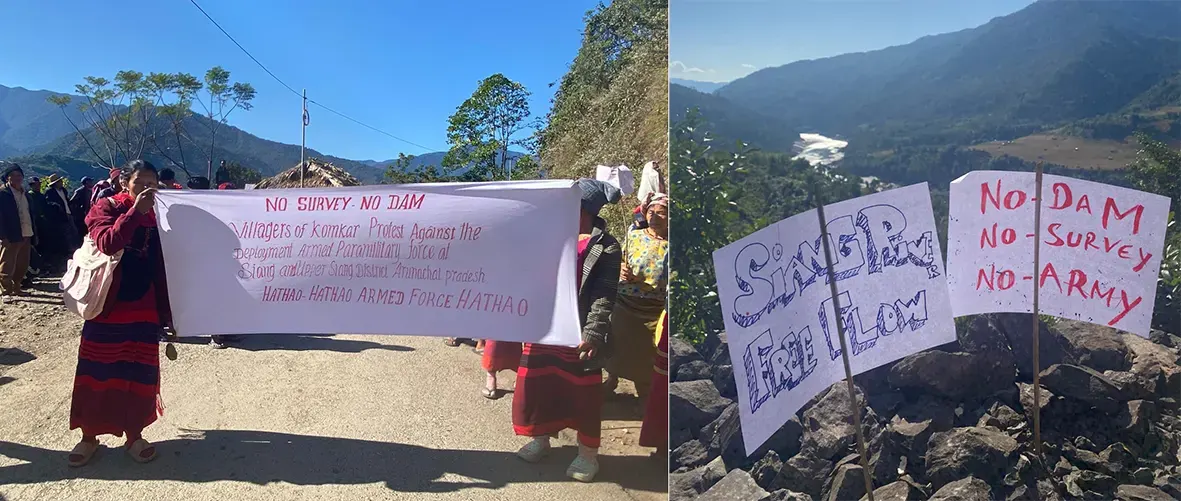
India has already seen a glimpse of how brutal this government can be. The methods of repression long associated with the country’s peripheries – the Northeast and Kashmir – were deployed openly in India’s heartland: pellet guns, lathis, tear gas, and brutal attacks on students and young people.
The government is unlikely to stop here or even make any course correction in education, as promised. The country and Gen Z may yet have to rally once again.