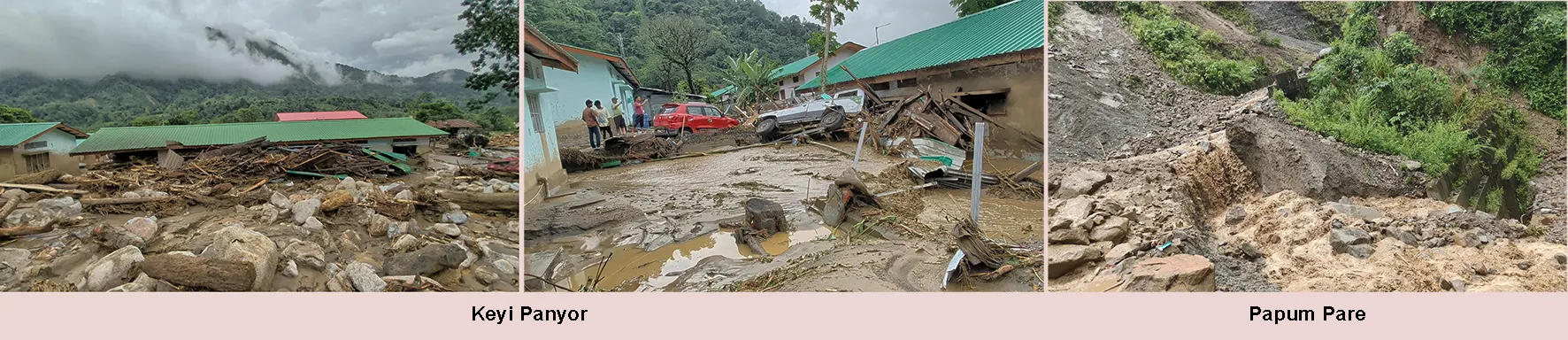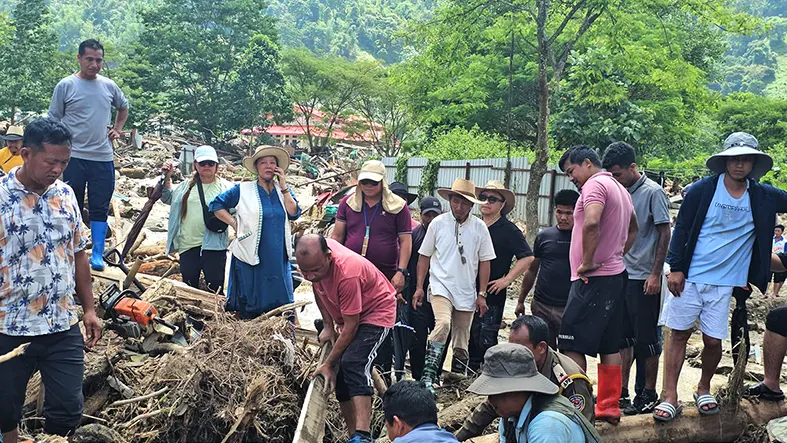
At least 359 people have died and at least 826 remain missing after a devastating flash flood swept through central Nepal, while at least people 270 are reported dead and around 558 missing in Tibet.
Preliminary satellite analysis suggests that the flash flood was triggered by an ice avalanche caused by an unstable mountain rock mass near the Nepal-Tibet border. The impact was so severe that it is believed to have triggered seismic activity in the region. What followed was destruction of unimaginable scale.
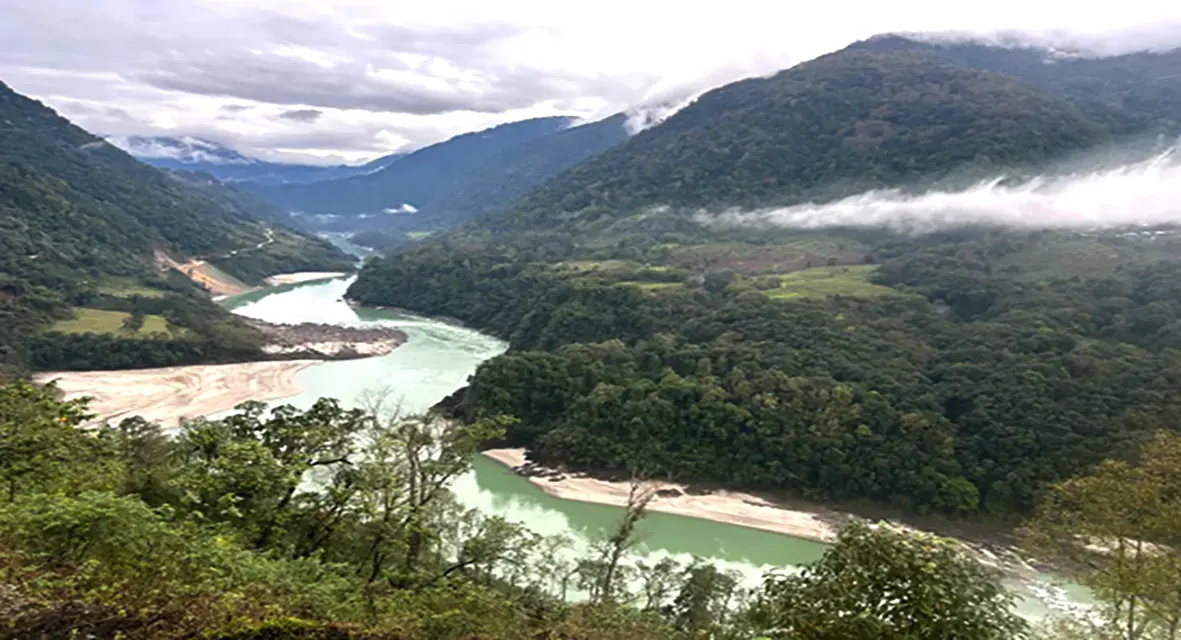
The rockslide and swelling of the Lhende river caused massive floodwaters to enter the Trishuli river through the Bhote Koshi river at Timure. The floodwaters spread across Nuwakot and Chitwan, causing widespread destruction.
The disaster damaged eight operational hydropower projects with a combined capacity of 354 mw, as well as five projects that were under construction.
Authorities have warned that the danger remains in the Bhote Koshi and Trishuli areas, as a lake formed by the blockage of the river has not yet fully drained. The situation could worsen if the water is suddenly released or the blockage gives way.
As details of the tragedy continue to unfold, Nepal and Tibet will require a massive and coordinated search-and-rescue operation. The coming hours are crucial, and every possible effort must be made to locate those missing, rescue survivors, and provide urgent assistance to affected communities.
The international community must come together at this critical hour. All possible support, including search-and-rescue teams, supplies, medical assistance, and technical expertise, should be extended to the affected areas and their people.