Monday Musing
[ M Doley ]
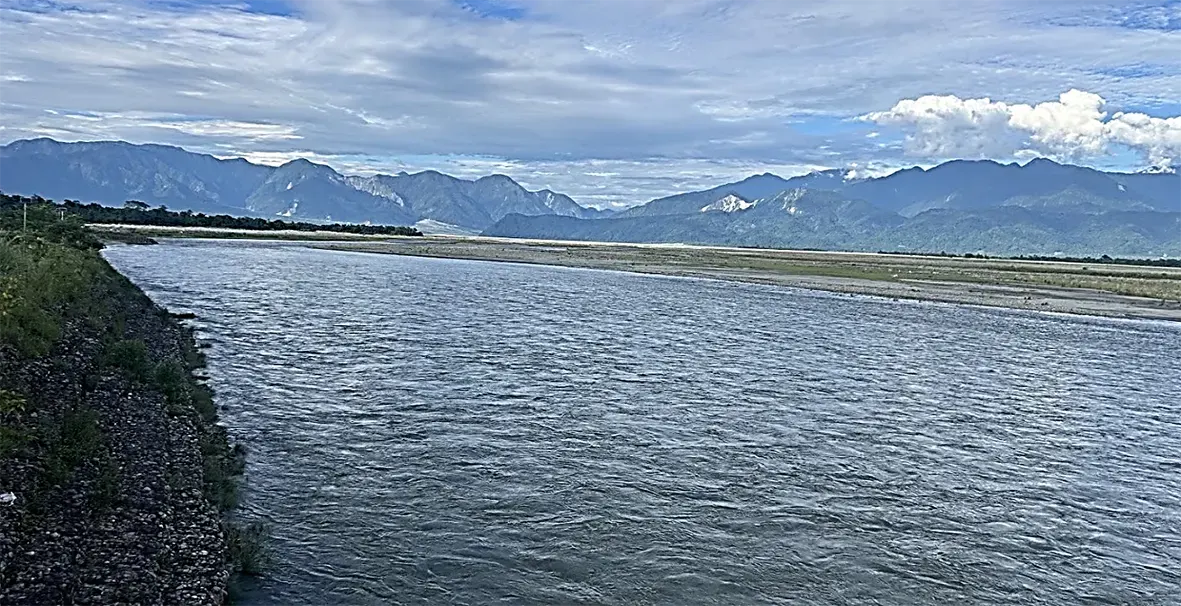
Arunachal Pradesh is one of India’s most gifted states for fisheries with numerous lakes, ponds, rivers and streams, offering vast resources for fish farming and improving rural livelihoods.
The state has extensive water resources, including 11,405 km of rivers and streams with potential for fisheries. In addition, it has 29,086 ha of ponds and tanks, 516 ha of beels, 866 ha of lakes, 9,150 ha of paddy plots, 160 ha of reservoir and 1,894 ha of marsh and swamp areas.
However, the state is yet to capitalise on these resources, with only around 10,000 hectares of water area currently utilised for fisheries.
Arunachal largely relies on imports from outside the state to meet its fish demand. The state produced 13,771.739 mt of fishes in 2025-26, up from 11,477.38 mt in the previous year. It produced 541.8 mt trout fishes during April-March 2024-25. However, the production is inadequate to meet the domestic demand, necessitating large imports.
Over 250 fish species, including ornamental, are reported to be found in Arunachal. However, only a few principal species, including the Indian major carp, exotic carp, mahseers, trout, and catfish, support the state’s river system.
The state’s varied climatic conditions support both warm-water and cold-water aquaculture. Rivers, streams, and lakes with temperature ranging between 5°C to 25°C are suitable for cultivating species like rainbow trout, golden mahseer, and snow trout. Warm and semi-warm water fish species like the Indian major carp, exotic carp, and catfish do well in the hot and humid foothill regions.
The central government, under the Pradhan Mantri Matsya Sampada Yojana, nationally invested several thousand crore rupees during 2020-26 to develop cold-water fisheries infrastructure in many states, including Arunachal.
The integrated aqua park developed in Ziro in Lower Subansiri district is equipped with hatcheries, processing facilities, cold chain systems, value addition infrastructure, and marketing support.
To become self-sufficient in fish production, Arunachal will require full utilisation of the water resources available, and marketing facilities. With these initiatives, Arunachal can achieve self-sufficiency in fish production and also emerge as one of the largest fish-producing states in the country.
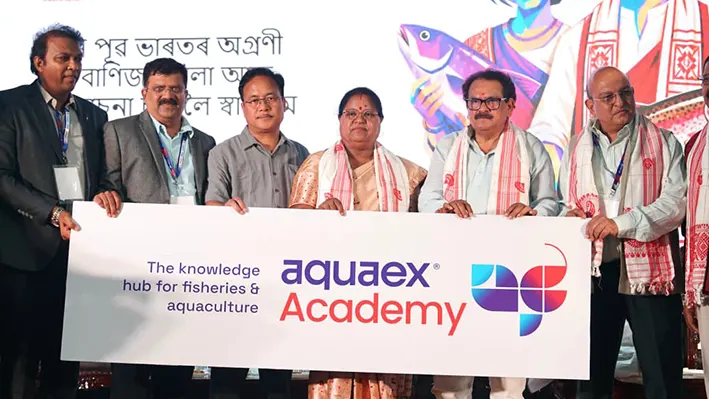
The Aquaex Northeast, 2026, scheduled for 12 and 13 June in Guwahati, Assam, can be an important event for fish farmers of the state as the organisers say the event will put special focus on connecting farmers with buyers. The event, supported by the fisheries departments of all the Northeastern states, will also host buyers-sellers meets and farmers-scientists interface, enabling knowledge exchange and market linkages.