[Karda Natam]
DAPORIJO, 11 Jun: While the country continues to promote cleanliness under the Swachh Bharat Abhiyan, Daporijo town in Upper Subansiri district is facing severe waste management problems due to the absence of an acceptable garbage disposal site.
The issue has become a major concern not only for the residents but also for the Urban Development & Housing (UD&H) Department, which collects garbage from various colonies of the town. The department has been struggling to find a suitable dumping ground, following strong opposition from local communities.
A few years ago, the government had implemented a solid waste management project at an estimated cost of Rs 580.44 lakh under the state Urban Development Department at Riddi village in Gusar circle, about 10 kilometres from Daporijo. The site was designated for disposal and management of waste generated from the town.
According to local residents, the department had been disposing of garbage at the site until 2019-20, when villagers began protesting against the dumping of waste in their area, citing concerns over public health, environmental degradation, and contamination of water sources.
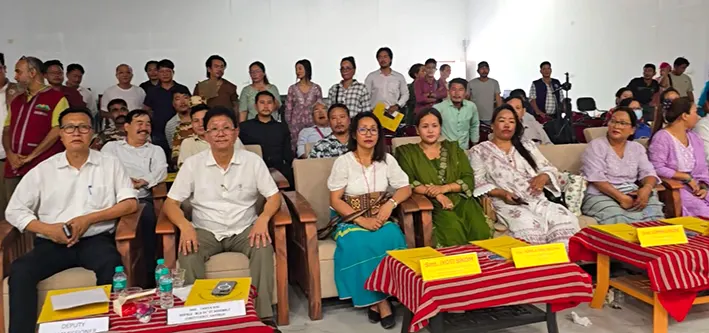
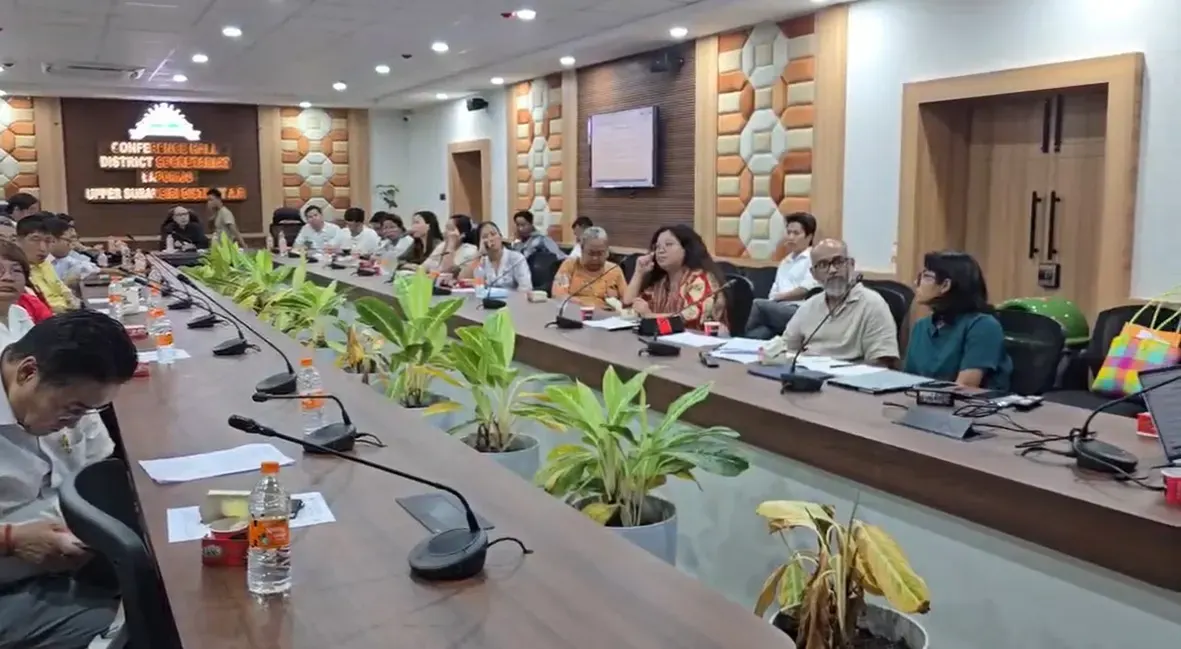
Village committees, youth organisations, and women’s self-help groups strongly opposed the dumping of waste in the village. Several meetings involving the department, the local MLA, the deputy commissioner, and stakeholders were held, but the issue remains unresolved.
Following the protests, the UD Department temporarily shifted waste disposal activities to the outskirts of Daporijo town. However, residents of Dumporijo also objected, arguing that the existing dumping area lacked sufficient capacity to accommodate waste from both towns.
Gusar Circle ZPM Yalar Riddi said, “Villagers are determined to continue their protest against the dumping of garbage in their area.”
“We were initially informed that the project would focus on vermicomposting and production of organic manure for agriculture and horticulture, which would benefit local farmers. However, the villagers later discovered that truckloads of municipal waste were being brought to the site, causing foul smell and raising health concerns,” she alleged.
Chairman of the All Riddi Youth Association, Mallo Riddi, claimed that the project was implemented without proper consultation with villagers, gaon buras, or senior community members.
“After obtaining documents through RTI, we found no record of an NOC from the villagers. The project was reportedly implemented without adequately informing the public about its actual purpose,” he said.
He further informed that a public interest litigation had been filed against the department, and that the court had reportedly issued a notice seeking a reply within 21 days. According to him, no response has been submitted so far.
He alleged also that the land donor was unaware of the possible environmental and social impacts at the time of donating the land.
Local residents further claimed that several mithuns died after entering the project area due to the absence of proper fencing and consuming waste materials. They also alleged that Tampin Nallah has become polluted, affecting fishing activities, while orange plantations in the area have shown declining productivity since the project’s inception.
Former AAPSU leader Bidam Marde suggested that the administration explore modern waste-processing technologies through local entrepreneurship.
“I have repeatedly proposed during coordination meetings that local entrepreneurs be encouraged and supported through subsidies to procure modern waste-processing machinery that can significantly reduce garbage volume and convert waste into usable products,” he said.
With Daporijo serving as a major commercial and administrative hub for people from neighbouring constituencies such as Nacho, Taliha and Dumporijo, waste generation continues to increase.
The ongoing controversy has raised questions regarding the planning and feasibility assessment of the project, particularly concerning environmental impacts and community consent before implementation.
Some years ago, Chief Minister Pema Khandu had reportedly described Daporijo as one of the dirtiest towns in the state and asked its residents to transform it into one of the cleanest towns. The same message has been echoed by local MLA Taniya Soki, who has repeatedly appealed to the citizens to cooperate in making Daporijo a clean and sustainable town.
As the garbage management crisis continues without a permanent solution, residents and authorities alike face the pressing question: Where will Daporijo’s growing volume of waste ultimately be disposed of?