BOLENG, 31 Jul: A four-day training and orientation programme – divided into four sessions -on water management and the Siang Upper Multipurpose Project (SUMP) concluded at the deputy commissioner’s office here in Siang district on Friday.
The training programme, held from 28 to 31 July, brought together teachers, CDPOs, ANMs, health assistants, anganwadi workers, ASHAs, departmental officers, and staffers, and witnessed a combined participation of approximately 240 attendees across the four sessions.
The programme aimed to build a clear understanding of the SUMP as a project of national importance, while covering water resource management, conservation techniques, and the broader developmental benefits the project is expected to bring to the region.
Deputy Commissioner Tayi Taggu attended all four sessions, during which he interacted with the participants. He underlined the importance of sustainable water resource management, and stressed on transparent public participation in the SUMP project.
District Planning Officer Tapik Komut was a key resource person across all four sessions. He spoke on the significance of community awareness of the project and, together with officials from the NHPC, guided the participants on water conservation and river basin management.
The NHPC’s Group Senior Manager, Tabom Taggu, delivered a presentation on river management, water conservation, and the benefits of the SUMP at each of the four sessions. He, along with other resource persons, responded to questions from participants and took part in discussions on various aspects of the project.
Additional resource persons included Hydropower Department Assistant Engineer (Civil) Tanom Tatak, who took part in the 28 July session for teachers, and DMO Dr Johny Darang, who contributed to the 30 July session for ANM workers, health assistants and ASHAs by addressing queries and leading discussions.
The first session, held on 28 July for teachers, was attended by approximately 60 participants, and aimed at helping schools serve as effective platforms for sharing accurate information about the SUMP’s purpose, water resource management practices, and regional development goals.
The following day, 29 July, featured an orientation programme for approximately 60 child development project officers and anganwadi workers, and was aimed at enabling anganwadi centres to serve as grassroots hubs for sharing knowledge about the project with the community.
On 30 July, around 50 auxiliary nurse midwife (ANM) workers, health assistants and ASHAs took part in a session designed to equip frontline health workers with accurate knowledge, so they could help local families understand how water management contributes to regional development.
The concluding session on 31 July was attended by approximately 70 departmental officers and staff, consistent with the earlier sessions and ensuring uniform, transparent messaging on the project across all four days.
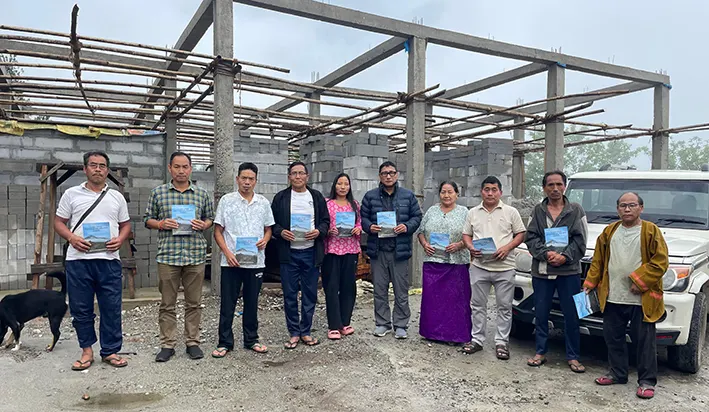
Seven interactive and informative videos related to the SUMP and water management were screened during the training programme. Additionally, frequently asked questions and ‘benefits of the project’ booklets were distributed at all four events to help the participants gain a better understanding of the SUMP and its key objectives.
Across the four sessions, discussions consistently underlined the wider significance of the SUMP, particularly its expected contribution to regional stability, infrastructure growth, and long-term sustainable development.
Officials noted that the four-day series marked a significant step towards building stronger, transparent, and long-term partnerships between the SUMP project and the communities the proposed project will serve. (DIPRO)