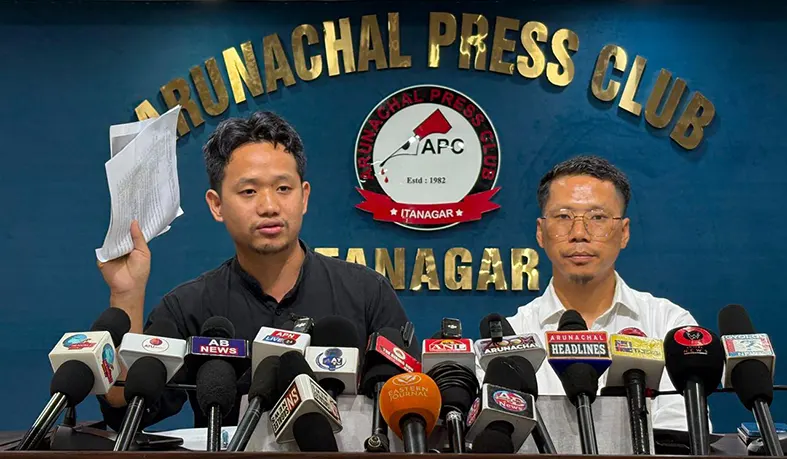

The Arunachal Pradesh Indigenous Youth Organisation (APIYO) enforced a capital bandh to press for action against alleged unauthorised mosques. While the first bandh forced a shutdown of the twin towns, the second one did not have the same effect.
Soon, however, the authorities identified and shut down 15 mosques operating in the Itanagar Capital Region, which they said were functioning illegally.
Reacting to these developments, the All Arunachal Pradesh Masjid Welfare Committee (AAPMWC) demanded that the Itanagar Capital Region district administration adopt a uniform approach towards all religious institutions allegedly operating without proper authorisation, irrespective of faith, and sought the unsealing of the mosques.
The organisation disputed reports claiming that 15 mosques were operating in the ICR, stating that in the twin towns of Itanagar and Naharlagun, there were only six such establishments.
While seeking equal treatment, it alleged that the Muslim community was not given adequate time to furnish the required documents, and argued that many mosques operate from rented premises or on land occupied with the consent of landowners through valid agreements.
The administration has to adopt a uniform approach towards all places of worship instead of bowing to pressure for selective targeting of a community based on fear. While it is true that illegal immigration is a serious issue and needs to be looked into with utmost seriousness, the state is also heavily reliant on these communities, making a practical approach necessary.