Editor,
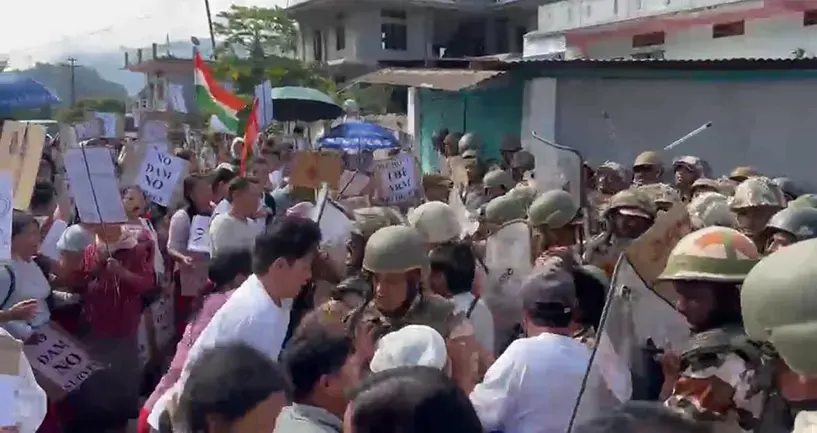
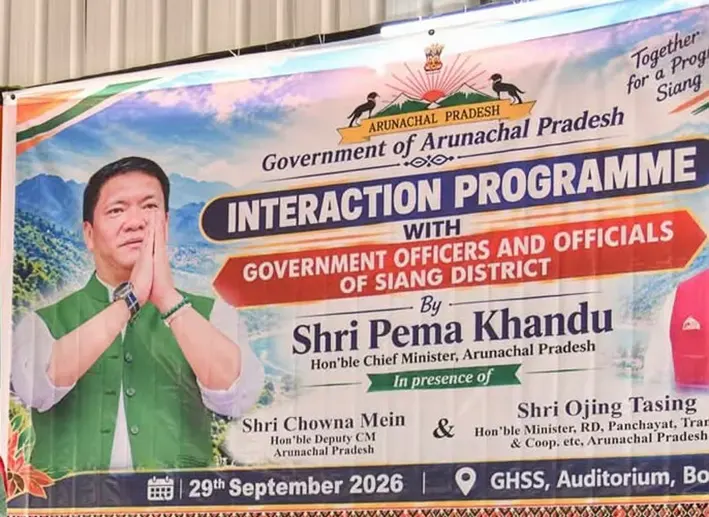
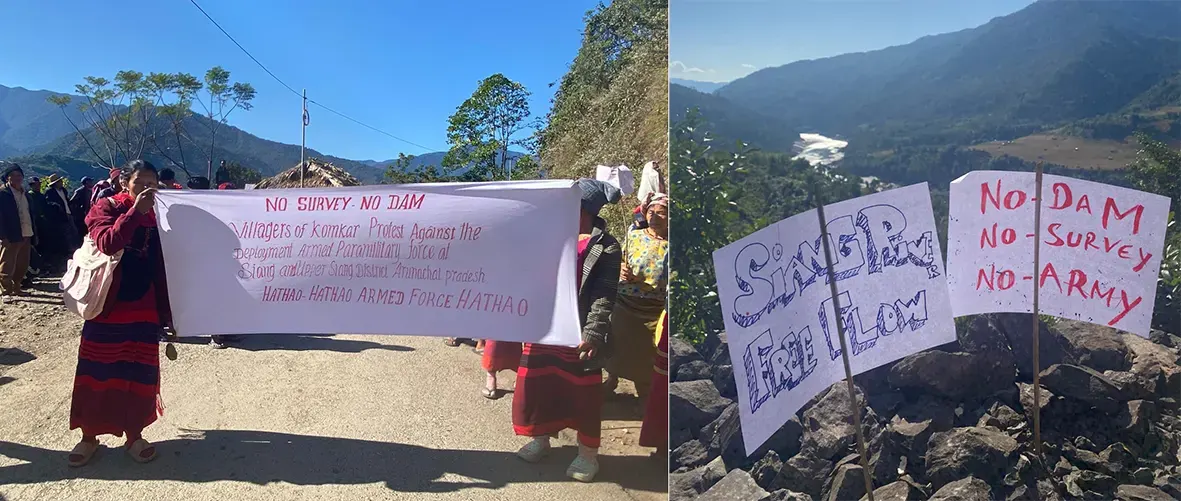
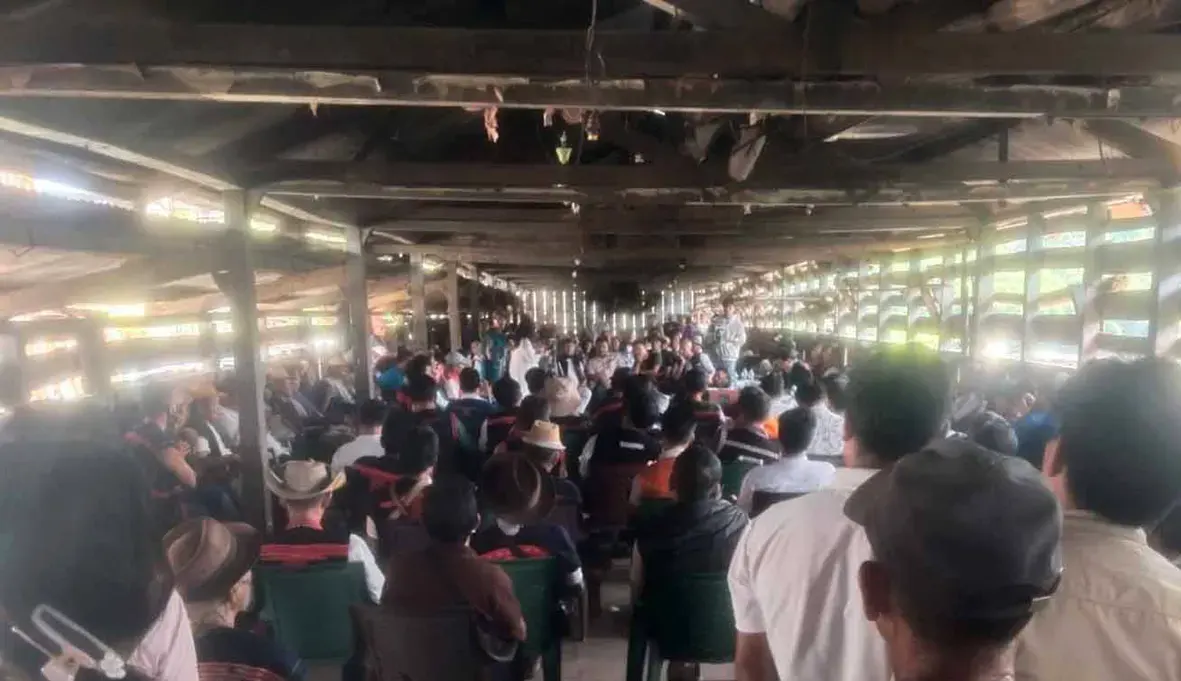
This is regarding the press briefing given by the chief minister on the sidelines of the public consultation meeting in Pasighat on 5 October, 2026. I do not know whether the chief minister is genuinely baffled that the Adi people are objecting tooth and nail to the pre-feasibility report (PFR) study for the Siang Upper Multipurpose Project (SUMP), or whether he is just pretending to be.
The Adis know that the PFR is not just a study. They know it is the only stage at which they have a real fighting chance to stop the construction of the dam. They know that once PFR is done, the project is a foregone conclusion; after that the discussion will be only about compensation, not about consent.
During his press briefing, the chief minister stated that "actual rule as per constitutional provision will start (sic) only after PFR," and that public hearings would be conducted only during the stages of social impact assessment (SIA) and environmental impact assessment (EIA). To hold those hearings, the government has to invoke the relevant constitutional provision, which cannot be done before the PFR.
The chief minister was right, but he did not tell the whole truth. The devil is in the details.
To set the record straight, there are at least three mandatory stages that a project like the SUMP must go through before it is implemented on the ground. These are SIA, EIA and forest clearance (FC). Public hearings are required in the first two stages, but they are feedback-seeking exercises, not consent-seeking exercises. SIA is conducted under The Right to Fair Compensation and Transparency in Land Acquisition, Rehabilitation and Resettlement Act, 2013. As per the provisions of the Act, formal consent from affected families is required only in the case of private or PPP projects. In government projects or irrigation projects, public consent is not a mandatory condition.
In other words, if the SUMP is a national project, formal consent from affected families will not be required for the SIA to be approved. EIA is a technical requirement in project implementation. It is undertaken by experts appointed by the project developer, and the public hearings are facilitated by the State Pollution Control Board. The objective of these hearings is to incorporate local knowledge in assessing the project's environmental impact. As stated above, EIA is not designed to obtain public consent. The only stage at which public consent really matters in implementing such a project is FC.
Under the Forest Conservation Act, FC is conducted in two stages: Stage I, where the central government grants in-principle approval, and Stage II, where final clearance is given. Before 2022, under the Forest Conservation Rules, a no objection certificate (NOC) from the gram sabhas was mandatory before the deputy commissioner (DC) of the district could process the application for in-principle approval from the Ministry of Environment, Forest and Climate Change. However, the rules were amended in 2022, and the mandatory requirement of an NOC from the gram sabha has been done away with. In fact, the 2022 Rules do not even mention the gram sabha. Now the requirement is that, after the Centre gives its final approval (that is, after Stage II), the state government has to ensure that the rights of local tribals are settled. In other words, the government will discuss with local people mostly about compensation, when the project has already become a fait accompli.
So, when the chief minister says that the relevant rules, as per constitutional provisions, will be invoked only after the PFR, he means that the government will set in motion a process in which it is itself bound by rules. The process can be challenged only in court, and courts go by the rules. As discussed above, none of the relevant rules contain a provision to seek consent from the public before execution of the project. You can argue in court about compensation and due process, but not about consent.
So, coming back to the PFR, it is the only stage where the local people have a room for manoeuvrability, because this is where the matter is directly between the government and the people. It is where the people can voice their resolve to the government unbound by any statutory rules or provisions. And it is where the government, going by democratic principles, can choose to respect the will of the people. It is not that implementation of the SUMP is inevitable as it is made out to be. If the government does not want to implement the Siang dam, it can simply choose not to do so. National project is a name of scheme launched in 2008 by Ministry of Water Resource Department, Government of India, with an objective to identify large irrigation and multipurpose projects for special central support.
The mere designation of a project as a 'national project' does not mean that the state government will be compelled by the Centre to implement, at least, not constitutionally. So, at the end of the day, the ball is in the state government's court. If the state government really cares for its people, it will know when to push back, for the sake of its people, against the central government, and it can do so, in so many creative ways, without necessarily antagonising the Centre.
On the other hand, it can grow a thick skin and decide to implement the project by sheer brute force, but then, it might as well stop calling itself a government of the people, by the people, and for the people.
An aggrieved citizen