

[ Marina Dai ]
PASIGHAT, 31 Oct: Several citizens, including Katon Moyong, also known as Abor Man, were detained by the Delhi Police on Saturday during a solidarity protest against the proposed Siang Upper Multipurpose Project (SUMP) in Arunachal Pradesh, organised by the Youth for Change (YFC) Arunachal and Himkhand at around 3 pm at Arunachal Bhavan in New Delhi.
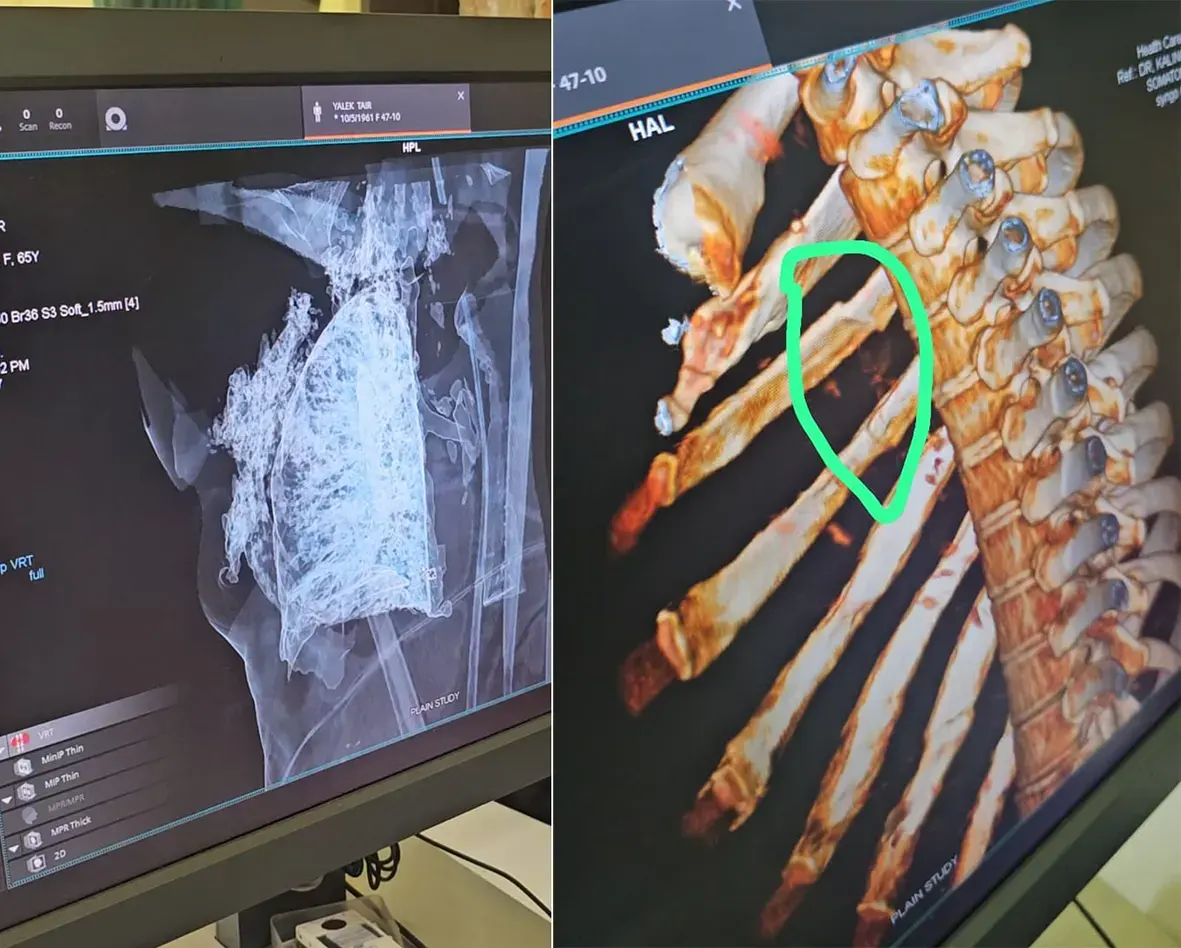
According to protesters present on the ground, Katon was badly manhandled by the Delhi Police during the detention.
Protesters informed that a large number of police personnel were deployed at the protest site.
Protesters said they were not allowed to continue the demonstration for more than 15 minutes before the police began detaining them.
The protest was organised to express solidarity with indigenous communities opposing the proposed project in the Siang region, demanding immediate withdrawal of the SUMP, withdrawal of forces from Arunachal, release of arrested and detained activists, and withdrawal of charges against activists and leaders.
Himkhand also alleged that the Delhi Police used excessive force against protesters and subjected some of them to physical and sexual assault during the detention.
In a video statement recorded while being taken away in a police bus, a Himkhand member alleged that protesters were beaten, inappropriately touched and sexually assaulted.
"Our fellow protesters were sexually assaulted. Several people were subjected to inappropriate touching. Our shirts were lifted, including mine, and I was pinched on different parts of my body, including my private parts, before being pushed into a bus," the member alleged.
"We are now being taken away in a bus, but the police have not disclosed which police station we are being taken to," the member said.
The detainees have been taken to different locations on the outskirts of Delhi, away from the city centre.
At the time of filing of this report, a Himkhand member informed that around 40 protesters were detained during the protest in Delhi. Some of those who had been taken to the Chanakyapuri police station have since been released.
However, around 25-30 protesters remain detained at the Baba Haridas Nagar police station, near the Delhi-Haryana border, the member said.
According to Himkhand, female protestors were detained even after 9 pm and all the protestors were asked to sign a form under Section 35(3) of the BNSS.
The member further said that lawyers representing the detainees were present outside the police station, but the remaining protesters had not yet been released.
The Delhi Police were contacted for their response to the detentions and allegations of assault, but no response had been received.
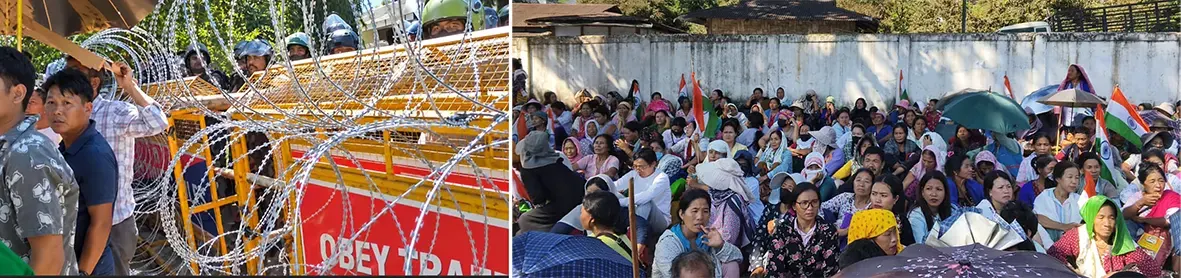
Over the past few days, protests have spread beyond the Siang region, with protests being held in solidarity with the affected villagers who continue to oppose the proposed dam.
Meanwhile, heavy deployment of security forces remains in the region, while a total of 10 villagers from the affected areas remain under arrest and four have been detained under the Arunachal Pradesh Unlawful Activities (Prevention) Act (APUAPA).
APCC condemns detention of anti-SUMP protesters in Delhi, demands their immediate release
Meanwhile, the Arunachal Pradesh Congress Committee (APCC) has strongly condemned the reported detention of Arunachali protesters in New Delhi on Saturday while they were peacefully raising their voices against the proposed SUMP.
"It is deeply concerning that indigenous youths from Arunachal Pradesh, who travelled to the national capital to draw the attention of the Government of India to the serious concerns surrounding the proposed mega dam, have reportedly been detained instead of being heard," the APCC said in a release.
It demanded immediate release of all the protesters detained in Delhi if they are not required to be held under lawful grounds. It demanded immediate disclosure of the grounds of detention, their whereabouts, and the legal provisions under which they have been detained, "with due intimation to their families."
The APCC sought an assurance that no peaceful protester will be subjected to intimidation, harassment or arbitrary action for exercising their democratic rights.
The APCC further demanded meaningful and transparent dialogue with the affected communities, indigenous organisations, students' bodies and civil society representatives before proceeding further with SUMP-related activities, and suspension of further project-related activities until the genuine concerns of the affected communities are addressed through a credible and democratic consultation process.
The APCC appealed to the Government of India and the Delhi Police to uphold constitutional values and handle the situation with restraint, sensitivity and respect for democratic freedoms.
"The people of Arunachal Pradesh are not against development. They are demanding development with dignity, justice, transparency and the protection of their ancestral land and identity," the APCC said, adding that the "voice of the Siang people is not a threat to national interest."
"It is an essential part of democracy," the APCC said, adding that it stands in solidarity with the indigenous youths and all peaceful citizens raising their voices to protect the Siang River, their ancestral land and their future.
"The BJP-led governments at the Centre and in Arunachal Pradesh must understand that national interest cannot be interpreted in a manner that disregards the rights, aspirations and legitimate concerns of indigenous people. Strategic considerations cannot become a blank cheque for bypassing meaningful public consultation, transparency and the principle of free, prior and informed consent (FPIC). The government's repeated assurance that the SUMP will not be imposed without public consultation must be reflected in its actions. Detaining those who are peacefully demanding answers raises serious questions about the credibility of such assurances," the Congress party said.
The APCC reiterated that development must be people-centric, democratic and environmentally responsible. "No project, irrespective of its strategic or economic significance, should be pursued at the expense of the fundamental rights, dignity and future of the indigenous communities concerned," it said.