
The repeated reports of tiger sightings near human habitations in Lower Dibang Valley and the latest sighting near Tiwari Gaon along the Roing-Anini road have once again brought the issue of human-wildlife conflict into focus. Their movement close to settlements and places frequented by people raises serious concerns over public safety.
Officials of the Mehao Wildlife Sanctuary division have launched efforts to trace and capture the animal. They have also imposed precautionary restrictions on two-wheeler movement along the affected stretch and advised people against stopping, sightseeing, or venturing into neighbouring forest areas.
The concern is further heightened by reports of repeated tiger sightings along the Roing-Hunli road.
According to a representation submitted by the Idu Mishmi Cultural and Literary Society (IMCLS) to the Lower Dibang Valley deputy commissioner, a tiger was reportedly sighted near the 19-km point on 15 October, while another tiger-related incident was reported at a resort near the 12-km point on the same night. These concerns are amplified following a fatal tiger attack in Mayudia earlier in the year.
The IMCLS has expressed concern over the absence of a satisfactory action-taken report on its earlier representations to forest and wildlife authorities. It has also pointed out that lack of transparency and timely communication has undermined public confidence and restricted meaningful community participation in addressing the problem.
The IMCLS has sought clarification on whether any tiger capture, release, relocation, or translocation operations have been undertaken in or around the district. An official response would help address public uncertainty and clarify the sequence of actions taken by the authorities. These concerns deserve a clear response; when tiger sightings are repeatedly reported in areas close to human settlements, people need to know what steps have been taken for everyone's safety.
The society's demand for immediate field verification, intensified monitoring, patrolling, and effective public warning and emergency-response systems also merits attention. Furthermore, their proposal for a joint monitoring mechanism involving the district administration, the Forest Department, police, recognised community organisations, village representatives, and wildlife experts offers a practical way to bring the different stakeholders together.
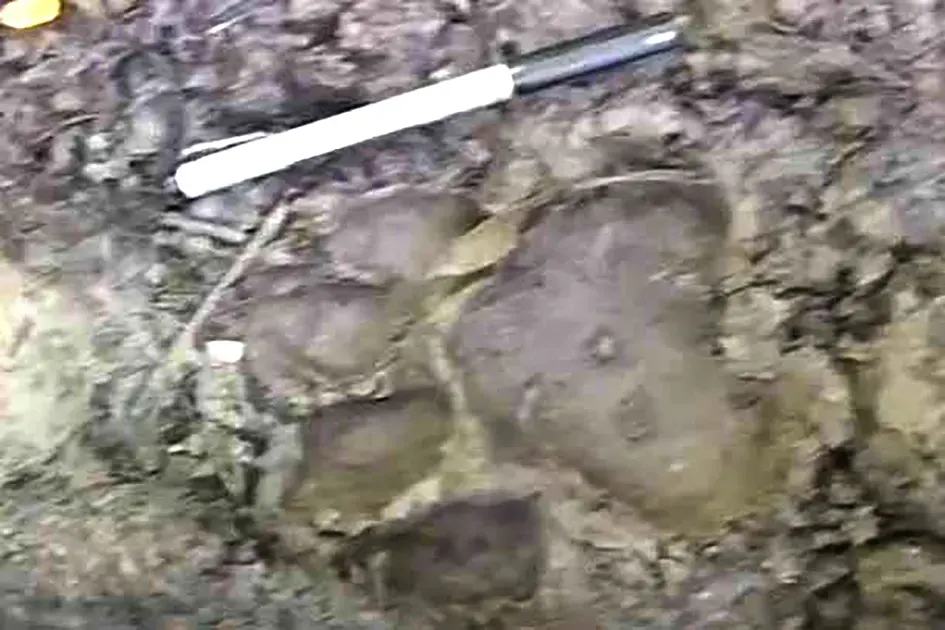
The issue is not confined to Lower Dibang Valley. In East Siang district and neighbouring Assam, foresters of the Jonai forest range have reported the pugmarks of an adult Royal Bengal tiger in the Poba Reserve Forest. The movement of tigers along forest areas on the Assam-Arunachal Pradesh boundary has reportedly been observed since 2017. These reports indicate that wildlife movement in the border region is a recurring concern, although available information does not establish that all the sightings involve the same animal.
The immediate task is to establish the circumstances surrounding the reported sightings, continue appropriate monitoring, and communicate verified information to the public. The IMCLS has also called for an independent review of the response to earlier warnings and accountability wherever negligence or procedural lapses are established. These demands call for careful examination through facts and documented action.
The recurring reports from Lower Dibang Valley and the Assam-Arunachal border areas warrant a coordinated and transparent approach. Wildlife conservation and human safety should not be treated as competing priorities, as is often the case in Arunachal.