TAWANG, 7 Oct: A field survey of wild bee pollinators, particularly bumblebees in the high-altitude landscapes of Tawang district in Arunachal Pradesh, conducted by the Jodhpur-based Desert Regional Centre (DRC) of the Zoological Survey of India (ZSI), concluded on Wednesday. The survey started on 15 September under the National Mission on Himalayan Studies (NMHS) project on long-term monitoring and conservation of Himalayan bumblebees.
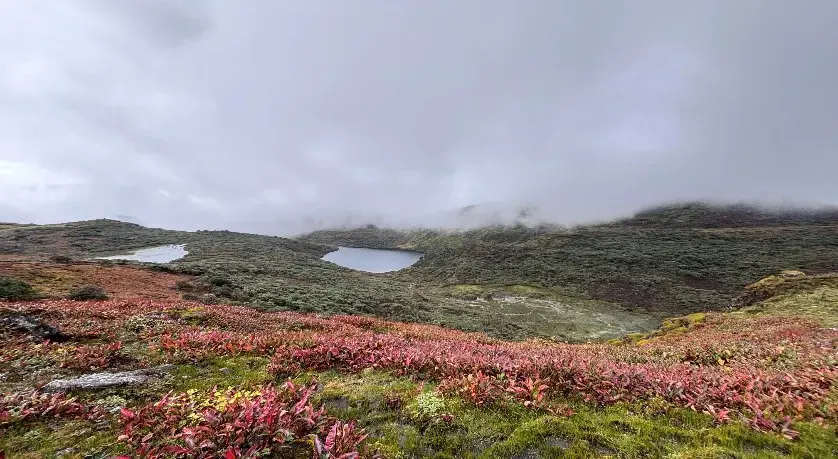
The survey team led by research associate Purnima Pathak, along with project assistant Habung Elsa surveyed elevations ranging from approximately 2,000 to 4,700 metres above sea level, covering important locations including Sela Pass, Bumla Pass, Nagula, Sangetsar Tso, ChumiGyatse Falls, Raghunathgarh, Jang Waterfall and surrounding high-altitude landscapes, including areas near the Indo-China border.
The survey documented wild bees belonging to major families including Apidae, Megachilidae, Andrenidae and Halictidae, with particular emphasis on bumblebees and their associations with flowering plants. The observations provide valuable baseline information on bee diversity, bee-plant associations and seasonal floral resources in the high-altitude Eastern Himalaya, said DRC in a release.
Among the important floral resources recorded were Cirsium sp., Rose Carpet Knotweed (Bistortavacciniifolia), locally known as Petma Mento, and Cicerbitaalpina. Abundant flowering of Cirsium was observed at several locations and attracted bumblebees. The flowering of Bistortavacciniifolia from approximately mid-August to October provides an important seasonal source of nectar and pollen.
At Chumi Gyatse Falls, abundant Cicerbitaalpina was also associated with bumblebee activity. Cultivated and garden plants around settlements, including Cosmos, bean, bottle gourd, ridge gourd, balsam, Dahlia and Impatiens, were also observed to provide important floral resources.
The findings highlight the importance of conserving alpine meadows, natural flowering vegetation and seasonal forage plants, along with promoting pollinator-friendly practices around villages and agricultural areas. Continued monitoring of bumblebee diversity, flowering phenology and habitat conditions will support long-term pollinator conservation in the Eastern Himalaya.
The survey was conducted with funding support from the NMHS under the union ministry of environment, forest and climate change, under the leadership of ZSI director Dr. Dhriti Banerjee.
The field activities were carried out under the scientific guidance of Dr. Rifat H. Raina, Scientist-E, DRC, ZSI, Jodhpur and principal investigator, with administrative and field support from Dr. Indu Sharma, Scientist-F and office in-charge, DRC, ZSI, Jodhpur.
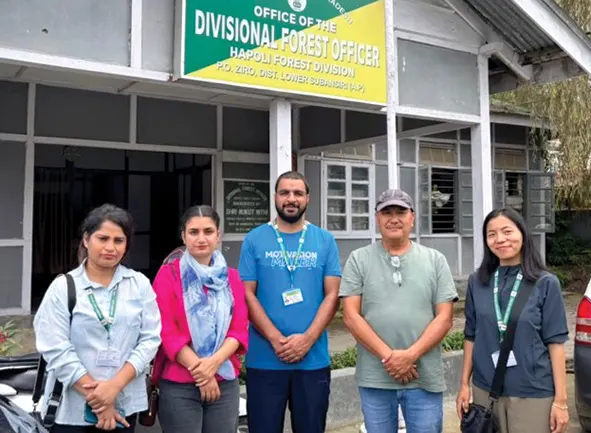
The team acknowledges the cooperation of the Tawang forest division, particularly Tawang divisional forest officer Piyush Gaikwad for facilitating field activities and access to important high-altitude landscapes, the release said.