
ITANAGAR, 2 Aug: In a major step towardssafeguarding high-altitude biodiversity, the Desert Regional Centre (DRC) of the Zoological Survey of India (ZSI), Jodhpur, has established a comprehensive field survey roadmap across Arunachal Pradesh.
The strategic initiative forms the cornerstone of the high-priority research project, ‘Assessing ecosystems for the conservation and management of Himalayan wild pollinators – Action for long-term monitoring assessments of Himalayan bumblebees towards biodiversity conservation’.
Sponsored and funded by the National Mission on Himalayan Studies (NMHS), the project focuses on evaluating the distribution, status, and critical ecological roles of wild pollinators, specifically bumblebees, to establish permanent, long-term monitoring networks across fragile Himalayan ecosystems till 2029.
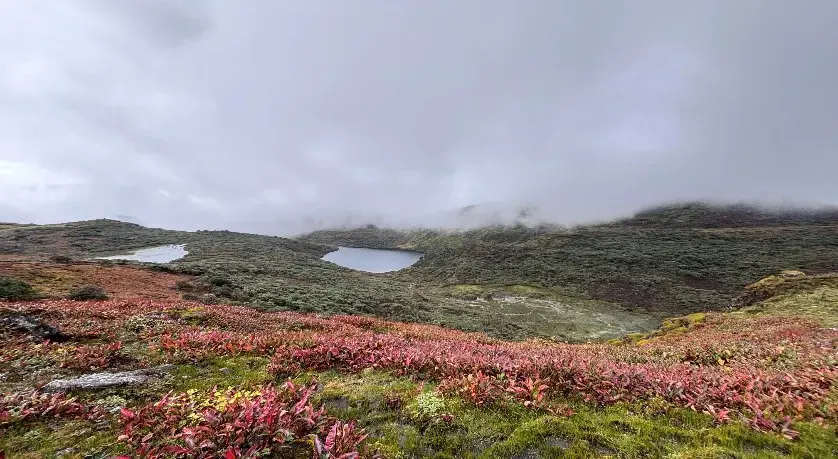
Over an intensive weeklong operation, the ZSI field team engaged in close strategic consultations with local divisional forest officers to coordinate logistics and align conservation goals. As a result of these discussions, the team successfully identified and mapped out survey locations across more than 10 key sites spanning six districts in Arunachal.
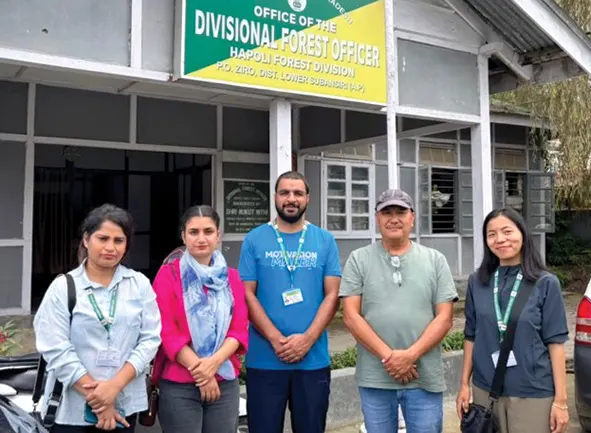
The field expedition was led on-site by research associate Dr Muzafar Riyaz, accompanied by research associate Purnima Pathak, junior project fellow Aimen Rafiq, and project associate Habung Elsa.
The entire project operates under the expert scientific guidance and mentorship of principal investigator Dr Rifat H Raina, Scientist-E at DRC, ZSI Jodhpur.
Parallel to the technical mapping efforts, the team spearheaded dedicated capacity-building and outreach programmes to foster local stewardship. A specialised workshop was organised at the divisional forest office in Ziro to sensitise forest personnel to sustainable forest management and pollinator-friendly ecosystem practices.
Additionally, an educational awareness programmewas hosted at Danyi Kunya Higher Secondary School in Ziro, Lower Subansiri district, where Dr Riyaz interacted with Class 11 and 12 biology students, introducing them to wild pollinator conservation and the ecological significance of bumblebees in maintaining Himalayan flora.