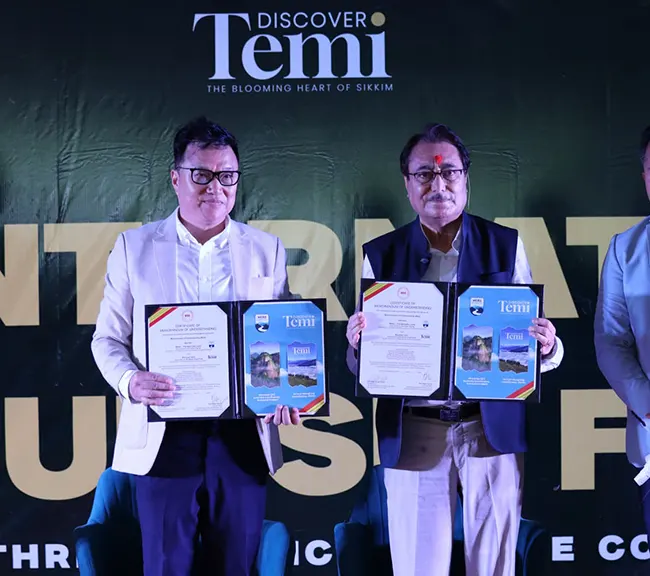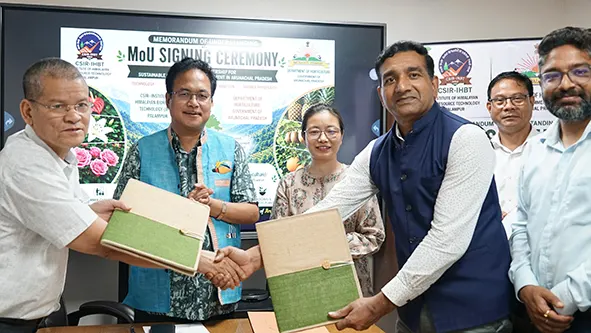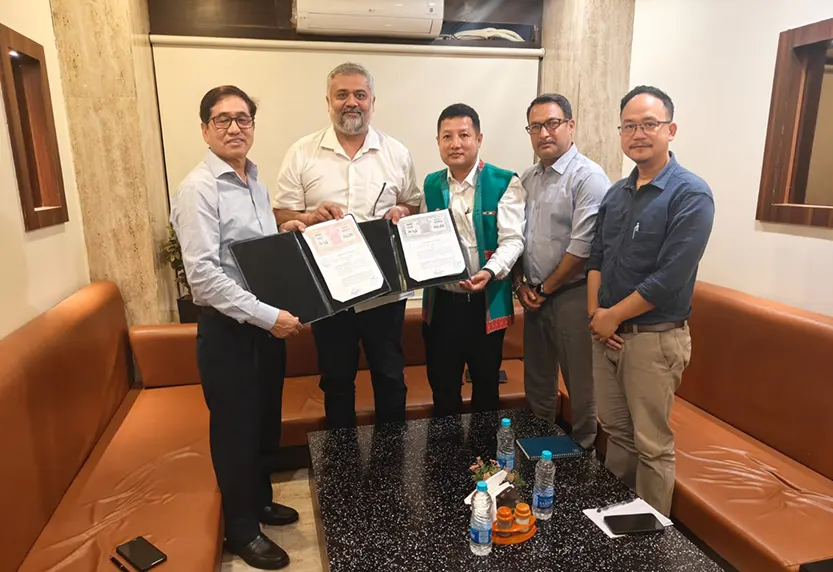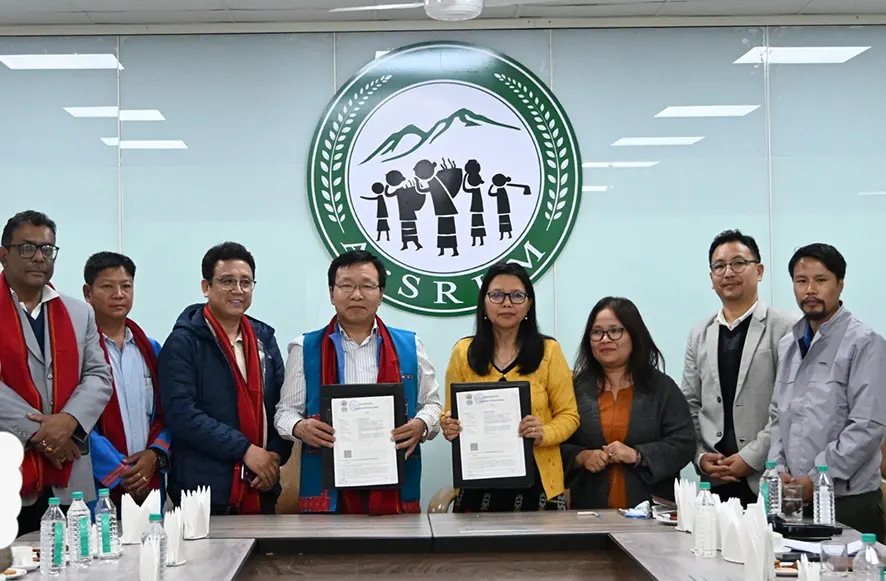

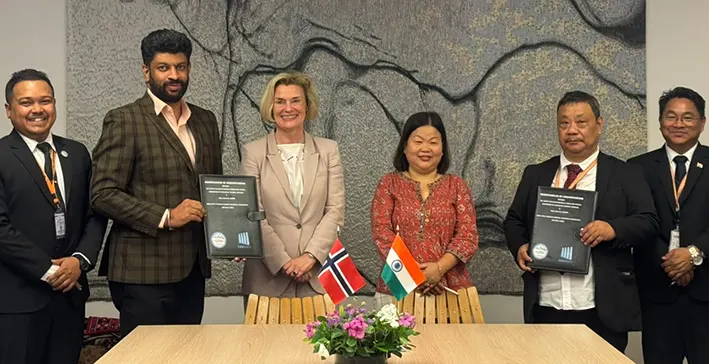
NEW DELHI, 14 Jul: Arunachal Pradesh on Tuesday signed a memorandum of understanding (MoU) with Norway’s Tidal Sail AS for the implementation of a 500 kw ‘river kinetic energy demonstration project’, aimed at establishing India’s first river kinetic energy demonstration plant in the state.
The MoU was signed between the Centre for Earth Sciences & Himalayan Studies (CES&HS), GoAP, and Tidal Sail AS under the India-Norway Green Partnership.
Supported by the Ministry of New and Renewable Energy (MNRE), GoI, and Innovation Norway, the project will demonstrate technology that generates electricity directly from river currents without requiring major civil infrastructure, offering an environmentally sustainable and cost-effective renewable energy solution.
Science and Technology Minister Dasanglu Pul, who was present during the event, described the agreement as a milestone in Arunachal’s clean energy transition, saying the partnership reflect a shared commitment to innovation, sustainability and international cooperation.
She said the state’s extensive river systems offer immense renewable energy potential, and expressed confidence that the project would strengthen energy security while ensuring environmentally responsible utilisation of natural resources.
Pul thanked the MNRE, Ministry of External Affairs, the Royal Norwegian Embassy, Innovation Norway, Tidal Sail AS and other partner institutions for supporting the initiative.
Norwegian Ambassador to India May-Elin Stener said Arunachal’s river systems make it an ideal location to demonstrate river kinetic energy technology, which could complement existing renewable energy sources and enhance long-term energy security.
She said the project reflects the growing cooperation between Norway and Arunachal in areas including geothermal energy, geotechnical engineering and sustainable infrastructure, reaffirming Norway’s commitment to promoting green technologies and knowledge partnerships.
CES&HS Director Tana Tage said the demonstration project would diversify the state’s renewable energy portfolio and explore decentralised power generation for remote and inaccessible regions.
He said successful implementation of the technology could reduce dependence on fossil fuels, lower carbon emissions, preserve river ecosystems and position Arunachal as a leader in next-generation renewable energy innovation.
Tage also highlighted the CES&HS’ expanding collaboration with Norwegian institutions, including the Norwegian Geotechnical Institute, in geothermal energy and sustainable infrastructure development.
Officials said the MoU marks a new phase in India-Norway cooperation in renewable energy and is expected to facilitate the deployment of advanced river kinetic energy technologies in Himalayan river systems, contributing to sustainable development and long-term energy security in Arunachal.