Editor,
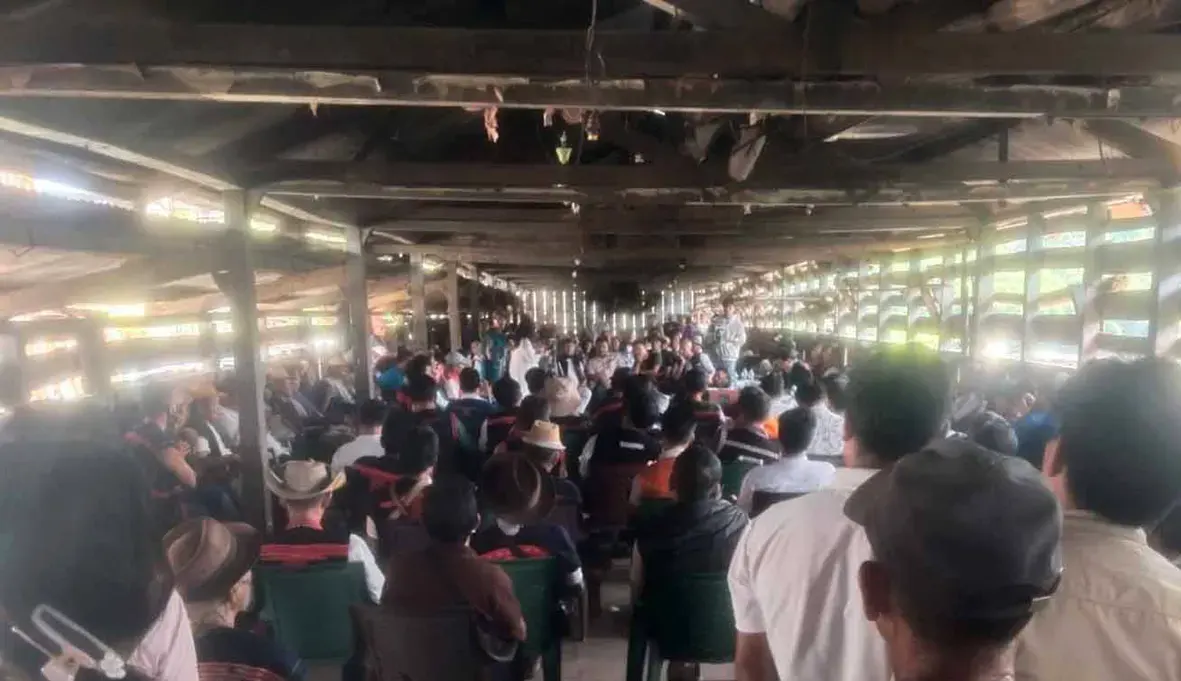
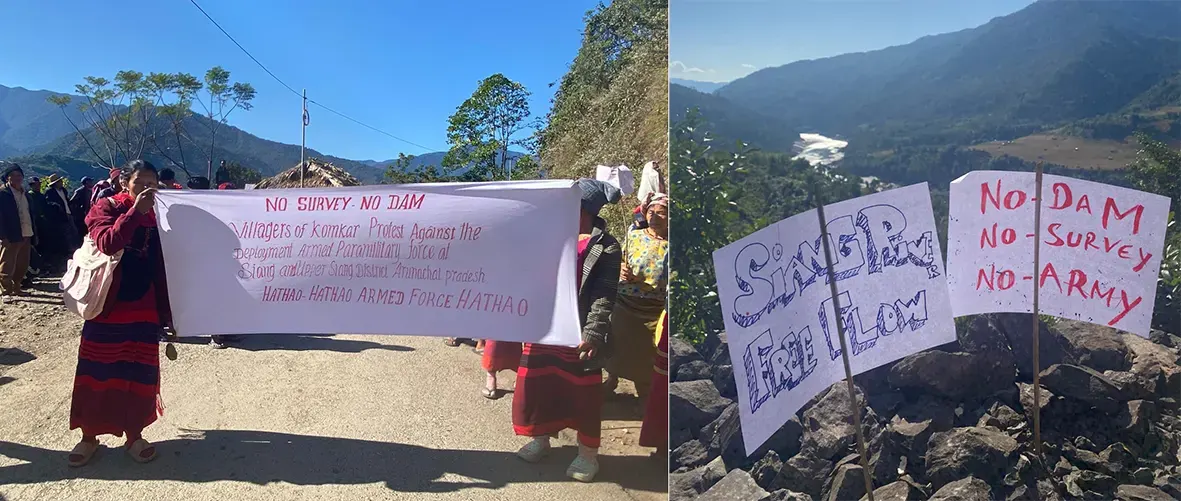
The recent directive issued by the Arunachal Pradesh government, demanding strict administrative action against government employees and public officials who joined or campaigned in protests against the proposed Siang Upper Multipurpose Project (SUMP), marks a dangerous escalation in suppressing local dissent. By invoking state service rules to penalise employees for speaking out, the administration is attempting to enforce compliance from a populace that feels its homeland, ecology, and heritage are under an existential threat.
The illusion of administrative neutrality
The state's argument rests on the rigid framework that personnel within the system must unconditionally back official state directives. However, this administrative logic ignores a fundamental reality: public servants are also indigenous citizens of the region. They belong to the very Adi communities whose ancestral lands, farms, and rivers are inextricably tied to the Siang basin.
A mega-dam project of this scale - envisioned as a massive 11,000 to 12,500 mw infrastructure undertaking - carries profound socio-ecological and seismic risks in a fragile Himalayan terrain. To strip government workers of their voice, branding their participation in local community concerns as a punishable breach of service, implies that holding public office requires surrendering one's civic identity and cultural survival.
Coercive development vs democratic consensus
True public governance derives its legitimacy from the trust and consent of the people, not from top-down coercion or punitive memos. Across the Siang belt, local resistance has consistently highlighted deep anxieties regarding pre-feasibility surveys, opaque memorandum of understanding (MoU) processes, and the deployment of security forces.
When the state responds to these grassroots anxieties by targeting civil servants within its own machinery, it signals a growing intolerance for democratic friction. Instead of addressing independent geological and environmental warnings, the administration is opting to penalise dissent, effectively sending a chilling message that questioning government policy is treated as insubordination.
A call for dialogue over discipline
Punitive administrative orders will not wash away the complex realities of the Siang valley. Threatening employees with disciplinary action does nothing to resolve the underlying fears of displacement, loss of livelihood, and environmental vulnerability.
If the state wishes to pursue development, it must do so through transparent engagement and respect for the rights of its indigenous populations, rather than trying to manufacture compliance by muzzling the very people who know the river best.
Oten Boli