Monday Musing
[ Bengia Ajum ]
The proposed Siang Upper Multipurpose Project (SUMP) has emerged as one of the most contentious infrastructure projects in Arunachal Pradesh. With a proposed installed capacity of around 11,000 megawatts, the project is being projected as a major strategic and energy initiative.
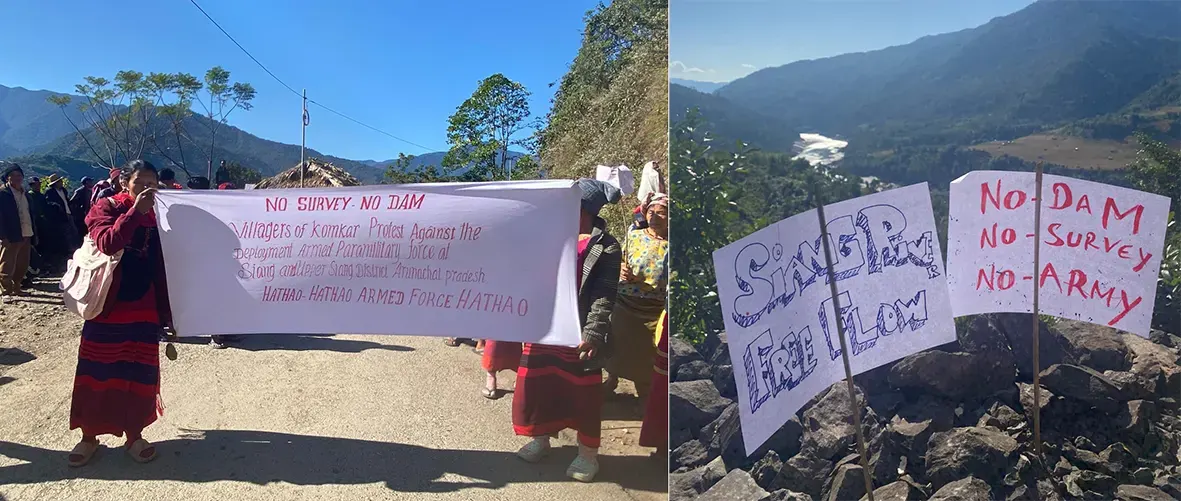
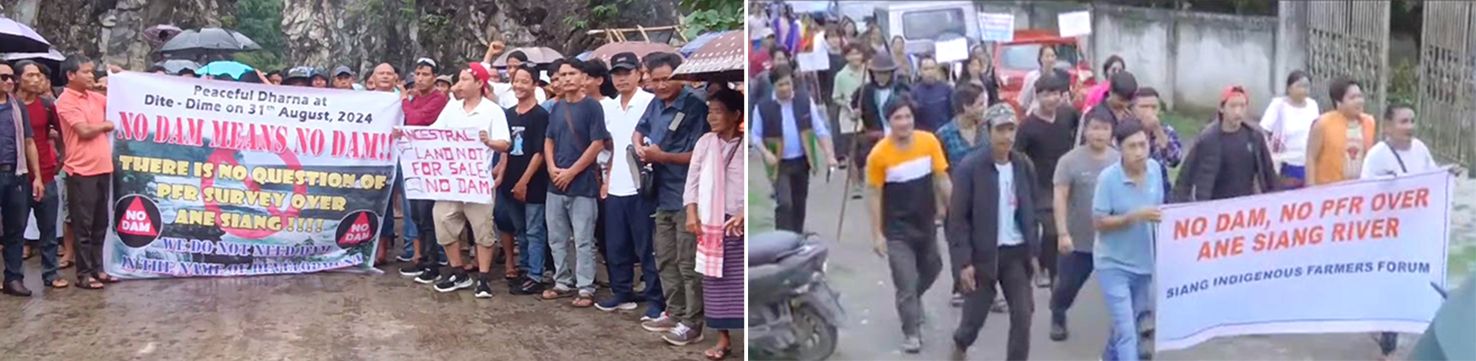
But in Siang and Upper Siang districts, where the project is proposed to come up, a section of the population has mounted strong opposition, raising concerns over displacement, land, livelihood, and the future of their ancestral homeland.
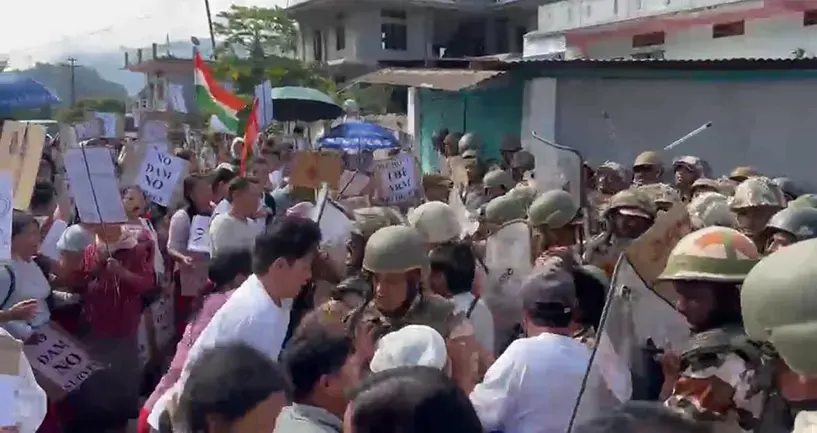
The deployment of a large number of central security personnel and the arrest of anti-dam activists have further heightened tensions in the region. But while the state government grapples with the growing opposition, another important player in this unfolding controversy has largely remained outside the public spotlight: the National Hydroelectric Power Corporation Limited (NHPC), the public-sector hydropower giant entrusted with conducting the pre-feasibility report for the SUMP.
The power giant has been deeply worried about public perception related to the SUMP. In July 2025, the NHPC hired Mumbai-based firm Concept Public Relations India Limited to try to improve public perception about the SUMP. The initial contract was valued at Rs 8.73 crore and covered the period from 7 August, 2025 to 6 August, 2026.
On 12 August this year, the NHPC issued an additional contract linked to the original agreement, valued at Rs 2 crore 18 lakh 25 thousand. The extension covered the period from 7 August to 6 November, 2026. The amount is exactly 25 percent of the original contract value. The original agreement contained an option clause permitting an increase in contract quantity or duration by up to 25 percent. Taken together, the original contract and its extension amount to Rs 10 crore 91 lakh 25 thousand.
The most interesting part is the scope of work set by the NHPC for the Concept PR agency. The scope of work identifies several categories of activities through which the communication strategy was to be implemented.
These include mapping and engaging influential local individuals, working with community leaders and NGOs, conducting community events, collaborating with media organisations (which include both local and national media), producing sponsored digital content, and monitoring public sentiment. The documents also refer to engagement with prominent national journalists as a separately identified activity.
One of the most significant sections of the scope of work refers to what it describes as the "growing negative discourse" surrounding the SUMP project.
The strategy outlined in the document seeks to counter misconceptions, build trust, and foster a positive perception of the project at local, regional, and national levels. The proposed communication strategy was divided into three broad levels: First, the Siang basin - the ground-zero level - where the scope identifies village heads (gaon buras), community leaders, priests, school headmasters, local youths, NGOs, and indigenous groups as important stakeholders for engagement. It proposes the use of a positive and persuasive narrative to communicate the project's benefits and build public support.
In the second stage, the strategy envisages engagement with state government officials, NGOs, and the state media to support and promote the project. It also refers to approaching Assam-based media on an SOS basis.
At the national level, the NHPC seeks to position the SUMP as a project of national importance and align its narrative with broader national development objectives.
The stated objectives include shifting public perception of the project from something viewed as disruptive to a transformative opportunity, building community support, highlighting compensation and livelihood measures, addressing environmental concerns, and presenting the SUMP in the context of clean energy, national security, and national infrastructure.
Several questions arise regarding this PR campaign run by Concept on behalf of the NHPC. Who were the local influencers and community leaders engaged under the contract? Which NGOs and media organisations were involved, and what activities did they undertake? Were the proposed community events conducted as specified? What digital content and media engagements were produced?
What exactly did the separately identified engagement with prominent national journalists involve? How much money was paid to journalists and social media influencers to develop positive content related to the SUMP?
How much of the original Rs 8.73-crore contract was paid out? What payments were made under the extension, and what supporting records were certified by the NHPC officials?
The NHPC's regional office in Itanagar refused to make any comment. "We are not authorised to speak in this regard," said an official.
Concept PR, when contacted, agreed that they are working as a PR agency for the NHPC in relation to the SUMP, but refused to share further details. "As an agency, we have been engaged by the Government to conduct certain outreach activities, and we are working strictly in accordance with the guidelines issued by them. Any queries regarding the scope of our work, the nature of our contract, or matters related to the grant of an extension may kindly be directed to the Hydro Power Department, Government of Arunachal Pradesh," the head of Concept PR Group's Itanagar branch stated.
In 2007, the state government took a Rs 225 crore loan from the National Hydroelectric Power Corporation (NHPC) to revive the Apex Bank. While the bank has not seen much improvement, the loan is yet to be returned.