Editor,
Roing in Lower Dibang Valley district has been gripped by a structural, prolonged drinking water crisis. In a region where the average annual rainfall ranks among the highest in the subcontinent, and where nature has provided an abundant hydro-topography, the domestic taps of ordinary citizens remain dry.
Safe, treated public utility water has transformed from a fundamental right into an exclusive luxury. Daily survival for a household in Roing now comes with a fixed, recurring price tag of approximately Rs 1,500 to Rs 2,000 – the standard market rate for a single private commercial water tanker. For families dependent on fixed salaries, daily wages, or small-scale farming, this is an economic extortion mechanism disguised as an emergency service.
Meanwhile, the official water supply provided by the authorities arrives only once every 15 days, an interval that makes basic survival nearly impossible.
To truly comprehend the depth of this crisis, one must look at the financial burden of an ordinary household in Roing. Water scarcity here is not just an inconvenience; it is a direct, aggressive drain on household income.
When public supply mains dry up, residents are forced to rely on private water distributors. A standard commercial tanker carries between 2,000 and 3,000 litres of unverified, untreated water sourced directly from raw riverbeds. The price demanded per trip consistently hovers around the Rs 2,000 mark. Depending on the size of the family, a single tanker lasts anywhere from just five to seven days.
This structural expense forces families to make devastating compromises. Money meant for children’s school tuition, healthcare, dietary nutrition, or small business investments is systematically redirected towards buying a basic resource that the state is legally and morally bound to provide.
“We are paying a water tax to the government for dry pipes, and we are paying thousands to private operators just to wash our dishes and cook our food,” laments an elderly resident of Intaya Colony. “For how many years must we buy our survival in our own land?”
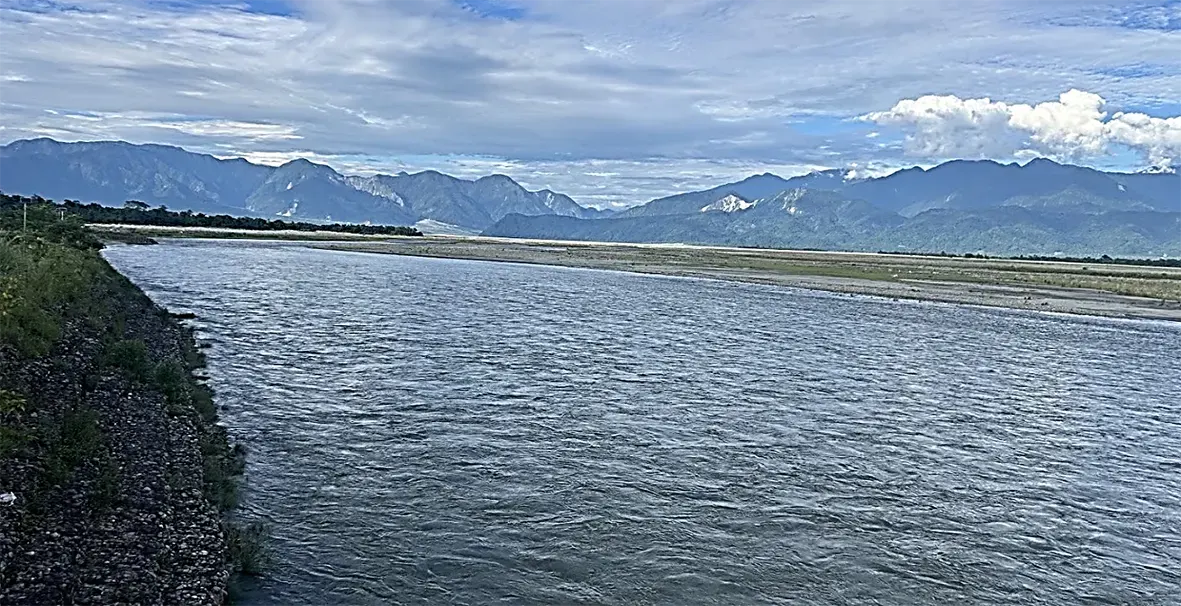
The geographical position of Roing makes this crisis completely illogical to any outside observer. The town sits at the mouth of the Dibang valley, a region defined by substantial river systems – including the Dibang, Eze (Deopani), Iphi (6 Kilo), and Ashopra Rivers – alongside countless upstream tributaries that flow with immense volume throughout the year. The crisis is entirely artificial, born out of a historical lack of planning, outdated distribution networks, and a total breakdown in infrastructure maintenance.
The existing water treatment plants and distribution pipes managed by the Public Health Engineering and Water Supply Department were designed decades ago for a minor, sleepy administrative outpost. Over the last 10 to 15 years, Roing has grown exponentially. Urban migration, the establishment of educational institutions, commercial centres, and expanding residential colonies have doubled the urban footprint. Yet, the main pipelines feeding the town remain virtually unchanged.
The source management is deeply flawed.
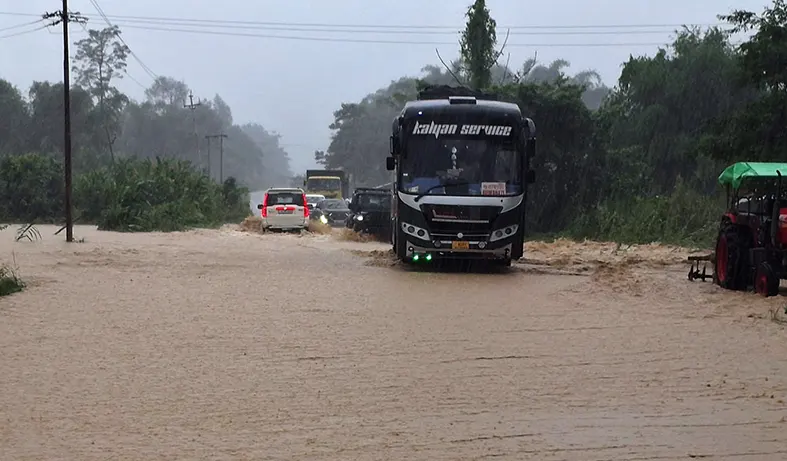
The monsoon menace: During the long monsoon seasons, heavy mountain torrents carry massive amounts of silt, logs, and boulders down the hills. This debris regularly damages or completely sweeps away the crude intake structures built at the river heads. The treatment plants become choked with mud, forcing the department to shut down operations for days to manually clear the filtration units.
The dry season shock: During the dry winter and early spring months, an extended dry spell causes minor hill streams to shrink drastically. Without proper reservoir storage, the town’s water utility has no buffer system. The moment the weather changes, the public supply collapses, leaving citizens entirely dependent on private tankers.
A crisis of this magnitude and duration does not happen in a vacuum; it occurs when there is a profound vacuum of political will and administrative accountability. We urgently request our leaders, the garibo ka neta (leaders of the poor), to look into this matter immediately. If left unaddressed, the consequences of this prolonged crisis will extend far beyond financial strain; they will actively reshape the public health profile and social equity of the town.
- Unverified water sources
Because private water tankers are entirely unregulated, there is zero quality control or biochemical testing on the water being sold for Rs 2,000. Much of this water is pumped directly from downstream areas where there is open defecation contamination and high turbid solid content.
- The rise of waterborne illnesses
Local clinics and health centres see a predictable, recurring spike in waterborne diseases such as gastroenteritis, typhoid, acute viral hepatitis, bacillary dysentery, and skin infections. This health burden falls particularly hard on vulnerable demographics, children and the elderly. It is high time the authorities concerned stepped up and converted the natural abundance of the region into running tap water for its people.
Concerned citizen