
Editor,
To properly regulate the Inner Line Permit (ILP) system, it is not enough only to monitor entry and exit points. The entire economic system of the state must also be regulated in a practical and effective manner.
One of the major concerns today is the gradual transfer of local economic activities into the hands of outsiders through proxy systems. Many businesses which are meant to be owned by locals are only local on paper, while in reality they are operated and controlled by non-APSTs through rented licences.
Businesses such as kirana stores, cyber cafes, clothing shops, restaurants, Tempo services, hardware stores, salons and similar small-scale sectors should be strictly owned and managed by locals. Exceptions may be made for technical companies or specialised services that cannot yet be fully managed by local manpower.
At the same time, large companies and project-based industries operating in the state should maintain a structured labour system. Workers brought from outside should remain attached to their respective projects instead of freely shifting into other sectors. Local youths should be trained and employed first, while the remaining workforce requirements may be fulfilled through outside labour.
There should also be stricter regulations regarding the duration and renewal of ILPs. After the expiry of a 5-year ILP period with renewal of every one year, a minimum gap of two years should be maintained before re-entry is permitted again. This should apply to all the non-contractual based workers whose nature of work could be permanent, for example, every kind of business owners and low-skilled workers in shops, stores, etc, other than construction labourers, which is on contract basis.
No non-APST person should be allowed to stay in Arunachal for more than 10 years (all combined stay) other than the government job holders. The next generation of the government officials’ children should be not allowed to work in Arunachal in any form (business, government job, private employee).
The idea behind this is to make them realise that they are temporary and not the sons of the soil and one day or another they have to leave, before they become refugees and claim anything.
A proper demographic and labour balance should also be maintained at all times, with an 80:20 ratio between APSTs and non-APSTs.
To ensure transparency and reduce political influence, political postings at ILP check gates should be avoided. Proper staff rotation systems must be implemented to prevent misuse and favouritism.
Retired government servants from outside the state should also leave the state after retirement. Even if they wish to return, there should be a mandatory gap period of two years, and their stay should be restricted to a maximum of one year at a time.
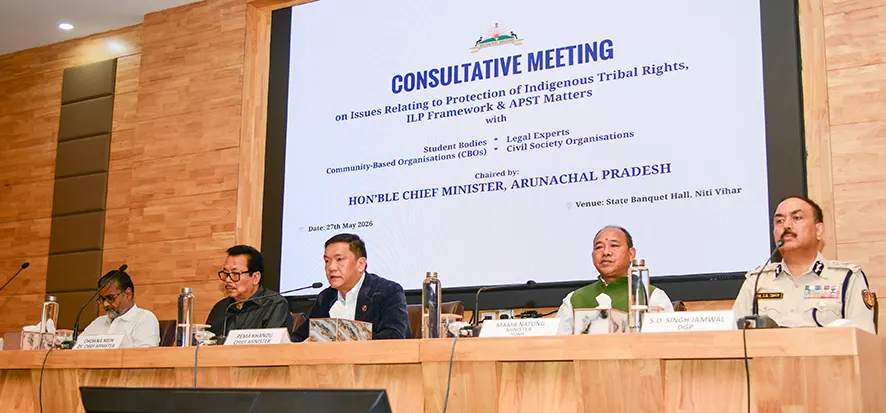
The accountability proposal suggested by Chief Minister Pema Khandu is also a practical idea. Officers responsible for issuing ILP and the guardian should be held accountable for ensuring proper departure of permit holders after expiry.
The present ILP amendment appears to be aimed at facilitating a larger inflow of labourers into the state because of the many large-scale projects currently ongoing across various districts. While development projects are necessary, proper regulation is equally important to ensure that local interests, local employment, and demographic balance are protected.
Changes may not happen overnight, but the government in power must begin somewhere if ILP regulation is to remain meaningful and effective in the long run.
Indigenous citizen of AP