
JAIRAMPUR, 2 Sep: A district-level workshop on "EduResilience 2026" was organised here in Changlang district on Tuesday with the objective of strengthening disaster preparedness, climate education and resilience among schools across the district.
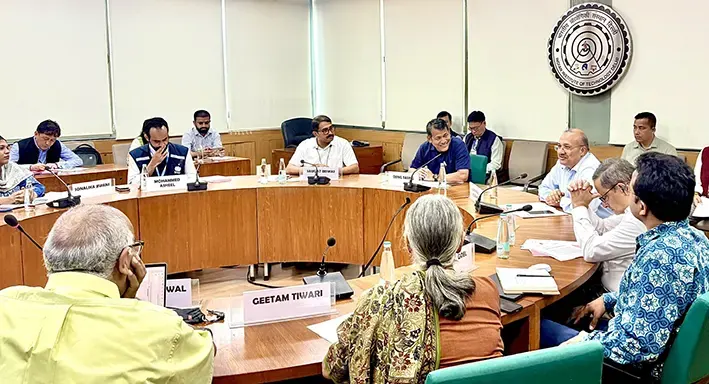
The workshop was organised as part of a collaborative effort led by the Indian Institute of Science Education and Research (IISER), Pune, under its Communicating Action and Resilience for Environmental Health (CARE) Project, in partnership with the District Disaster Management Authority (DDMA) and the department of school education, Changlang.
The workshop focused on integrating Disaster Risk Reduction (DRR), climate education and school safety into school planning and pedagogy.
Participants were introduced to key DRR concepts, including hazards, exposure, vulnerability, capacity, preparedness and resilience.
A major component of the workshop was the preparation of School Disaster and Climate Action Plans. Participating schools identified hazards and climate-related risks specific to their localities, assessed vulnerabilities and available capacities, and developed practical measures covering preparedness, risk reduction, response and environmental sustainability.
Changlang district disaster management officer (DDMO) Lobsang conducted a hands-on session on disaster management planning for schools. He emphasised that strengthening disaster and climate resilience within educational institutions is essential to ensuring the safety and well-being of children and the wider community.
The workshop also provided a platform for reflection and community validation of field findings from a PhD research study conducted by Sonjit Chakma, a researcher at IISER, Pune. Participants discussed the findings in relation to their local experiences and realities, contributing valuable community perspectives to the research.
IISER associate professor and principal investigator of the CARE Project, Dr. Shalini Sharma, highlighted the importance of integrating climate-responsive thinking and experiential learning into the school ecosystem.
"Disaster and climate education is not just a subject, but a necessity for us to ensure a livable future. We are not just teaching children about the world; we are equipping them to take action with that knowledge," she said.
The workshop also featured a practical demonstration on "Playful Paths for Planetary Care," led by Ashok Rupner of the Science Activity Centre, IISER. The demonstration showcased practical and activity-based learning approaches that can be adapted to government school settings.
General duty medical officer (GDMO) of the District Community Health Centre, Dr. Dani Muna, provided an overview of the public health implications of disasters and climate change.
Representatives from NGOs, including Pratham and IFET, shared perspectives on strategies for embedding climate education and resilience practices into school governance and pedagogy during the workshop.
Changlang deputy director of school education Rajiv Lomdak emphasised the need to ensure continuity of learning during climate-related disruptions. He also highlighted the importance of combining local knowledge with scientific knowledge in developing effective disaster and climate action plans.
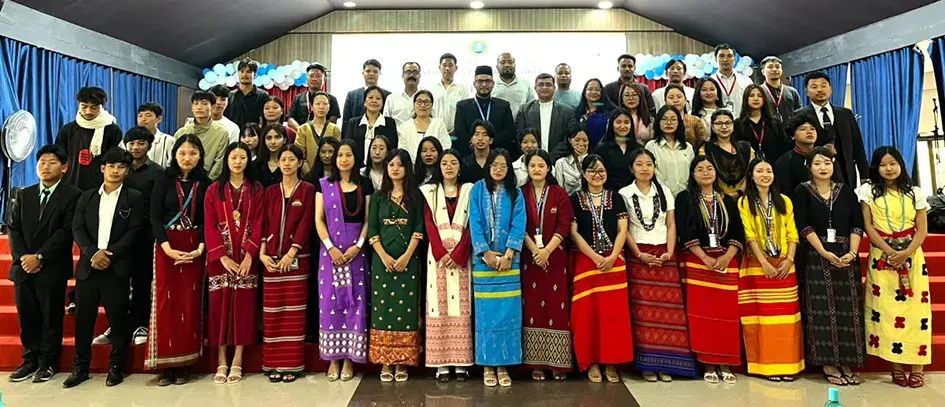
Around 80 school headmasters, teachers, Block Resource Centre Coordinators (BRCCs) and Cluster Resource Centre Coordinators (CRCs) from across the district attended the workshop. Representatives from the district administration, department of school education, academia, development organisations and civil society were also present during the programme. (DIPRO)