
ITANAGAR, 31 Jul: The Government of Arunachal Pradesh has rolled out the eBhavishya pension sanction and tracking system to promote transparency, efficiency, accountability and citizen-centric governance through digital transformation.
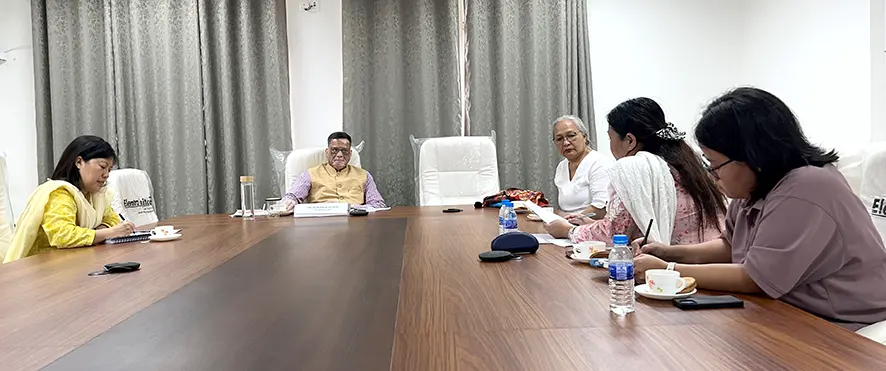
As part of the phased implementation of the system, a three-day training programme on the eBhavishya application was conducted from 29 to 31 July at the civil secretariat here. The programme was organised in three batches, with eight, eight and nine departments, respectively, participating over the three days. In all, 25 pilot departments were covered during the training.
The eBhavishya application, an initiative of the Department of Audit & Pension, has been developed by the National Informatics Centre (NIC) as a secure, end-to-end digital platform for processing and sanctioning of pension cases. The implementation of the system in Arunachal is being spearheaded by NIC Arunachal Pradesh State Centre Senior Director Yagru Linggi, with technical support from the state centre team.
The application is designed to digitise the entire pension processing workflow, enabling retiring government employees to receive their pensionary benefits, including the pension payment order (PPO) and other retirement entitlements, in a timely, transparent and paperless manner.
By replacing manual processes with an integrated digital workflow, the system is expected to minimise delays, reduce administrative burden, eliminate avoidable human errors and provide real-time monitoring of pension cases.
During the training sessions, NIC Arunachal Pradesh State Centre Director PK Thungon delivered a comprehensive presentation, outlining the objectives of the eBhavishya system, its implementation roadmap, prescribed timelines, and the responsibilities of the various stakeholders in accordance with the guidelines issued by the state government.
He explained that the head of office is responsible for initiating the onboarding of retiring employees well in advance of their date of retirement. Thereafter, the employee enters the requisite personal, service and pension-related information through the eBhavishya portal. The details are scrutinised by the designated dealing assistant before being submitted to the head of office for verification and approval.
The pension proposal is then transmitted electronically to the Directorate of Audit & Pension (DAP) for examination, authorisation and the issuing of pensionary benefits.
Highlighting the advantages of the application, Thungon said that the digital workflow would ensure timely processing of pension cases, enhance transparency, improve accountability, and significantly reduce delays associated with conventional manual procedures.
The application also provides secure digital record management, automated alerts and notifications, role-based access control, and online tracking of pension cases, thereby enabling retiring employees to receive their pensionary benefits without unnecessary delay.
The participants were also provided with extensive hands-on training, covering employee onboarding, user registration, submission of pension forms, uploading of supporting documents, scrutiny of pension proposals, workflow management, and monitoring of application status.
The practical sessions enabled departmental officials to familiarise themselves with the application and ensured that they would be able to implement the system effectively within their respective departments.
Once implemented across all government departments, the eBhavishya system is expected to ensure timely settlement of pension cases, improve administrative efficiency, and provide retiring government employees with a seamless, transparent and efficient pension sanction process.