
Editor,
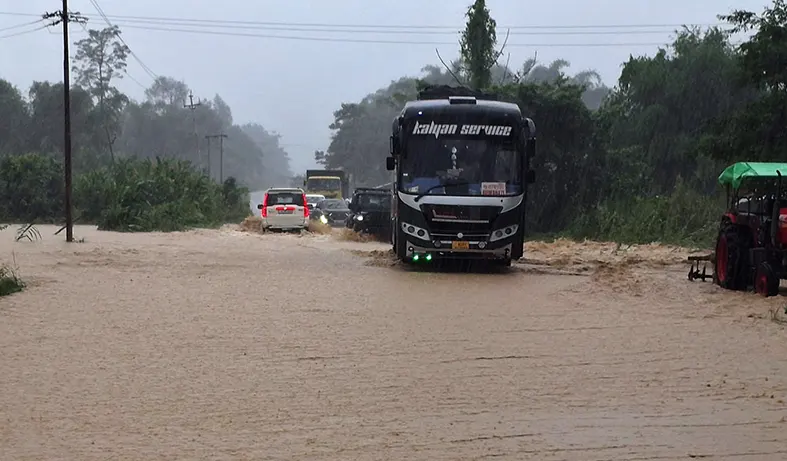
The recent mudslides in Nepal have resulted in 489 fatalities and left over 500 people missing - a truly devastating tragedy. Situated in the Himalayas, Nepal is highly susceptible to landslides and mudslides due to its steep terrain, fragile geological structure, and heavy monsoon rainfall.
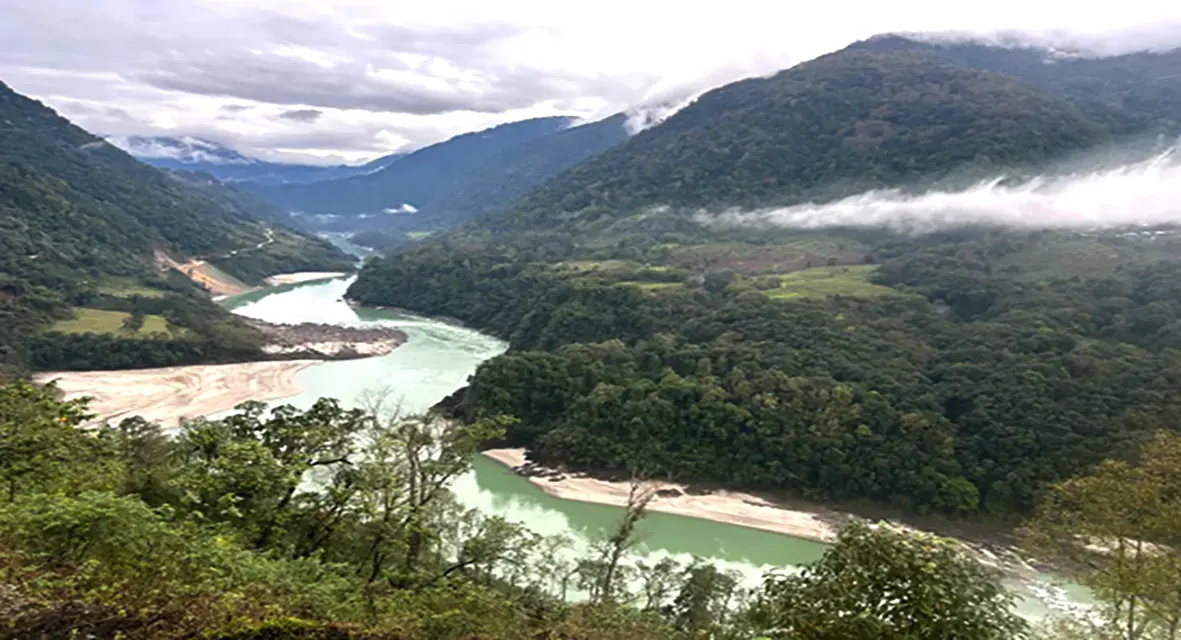
Arunachal Pradesh shares similar geological characteristics, being part of the Eastern Himalayas, as well as dramatic elevation changes, strong monsoon influences, and high seismic vulnerability. Landslides and mudslides have become frequent hazards in the region, particularly along roads, in river valleys, and in areas affected by deforestation or infrastructure development. The lessons learned from the Nepal disaster serve as a warning for Arunachal.
Between 2001 and 2025, Arunachal lost approximately 1,30,000 hectares of tree cover, with about half of this loss primarily attributed to deforestation. Other contributing factors include natural disturbances and human activities such as landslides, mining, and logging. The loss of vegetation reduces slope stability, increases runoff and soil erosion, and exacerbates the occurrence of debris slides during heavy rainfall.
Road construction, hillside excavation, and associated earthworks are frequently identified as causes of slope instability. Studies on transport corridors, such as the Doimukh-Hoj section of NH 229 and the Banderdewa-Itanagar section of NH 52A, have documented frequent debris slides resulting from the combined effects of human activity and rainfall thresholds. Urban expansion around Itanagar, Naharlagun, and other settlements has placed additional stress on these fragile slopes.
Furthermore, large-scale hydropower projects vigorously pursued in Arunachal (such as Etalin, the Siang Upper Multipurpose Project, and the Oju Hydroelectric Project) have raised concerns regarding deforestation, altered drainage systems, slope disturbance, the risk of reservoir-induced seismicity, and the potential to exacerbate GLOFs.
The region already contains numerous glacial lakes, some of which are classified as high or medium risk; glacial retreat has heightened the risk of downstream GLOFs.
Arunachal should heed these lessons. Prioritising environmental protection, such as maintaining forest cover, exercising caution in site selection (for roads and hydropower projects), stabilising slopes, and curbing haphazard construction, can help mitigate conditions that trigger disasters.
Nepal's experience underscores the importance of practical measures such as establishing rainfall thresholds, installing slope sensors, setting up community-based early warning systems, and designing resilient infrastructure. The Himalayas form an interconnected system where rivers, weather patterns, and ecological corridors transcend national borders; strengthening cooperation between India and Nepal (and the wider region) is essential for sharing meteorological and geological data, establishing joint early warning systems, and conducting research on landslide susceptibility.
Likha Tana