Editor,
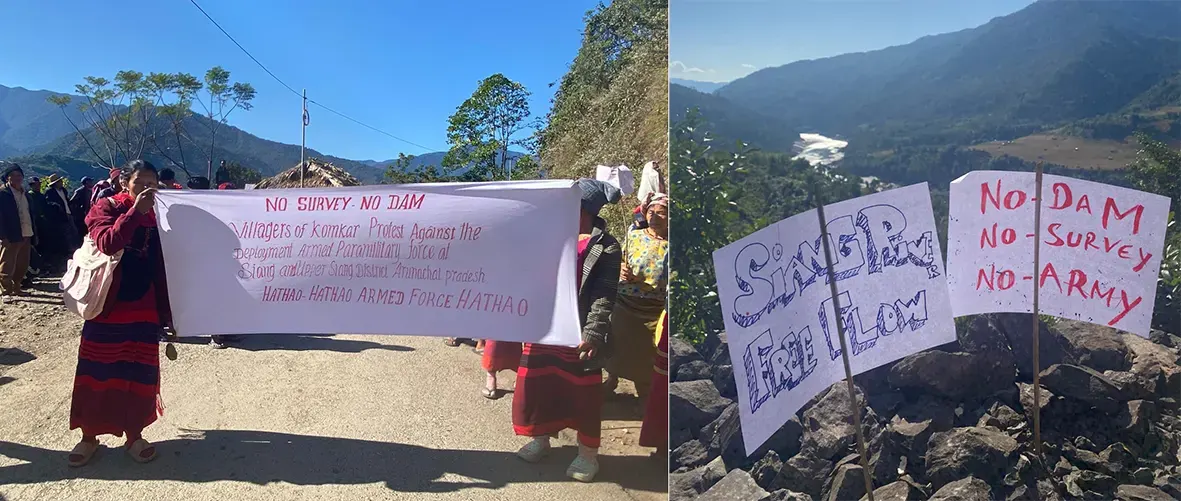
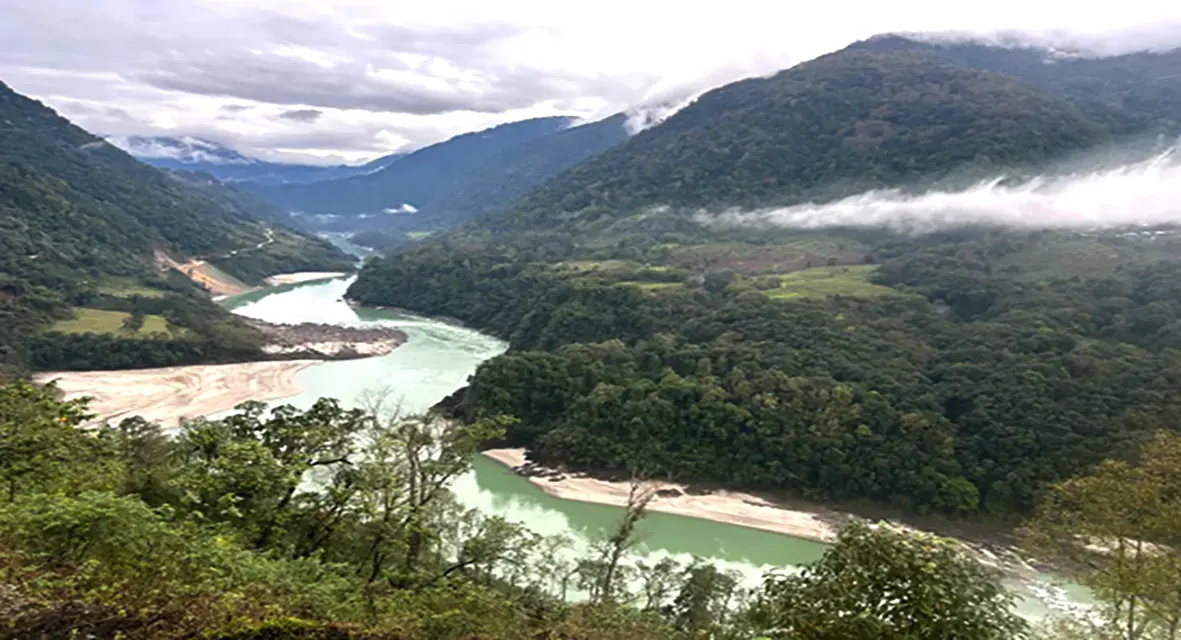
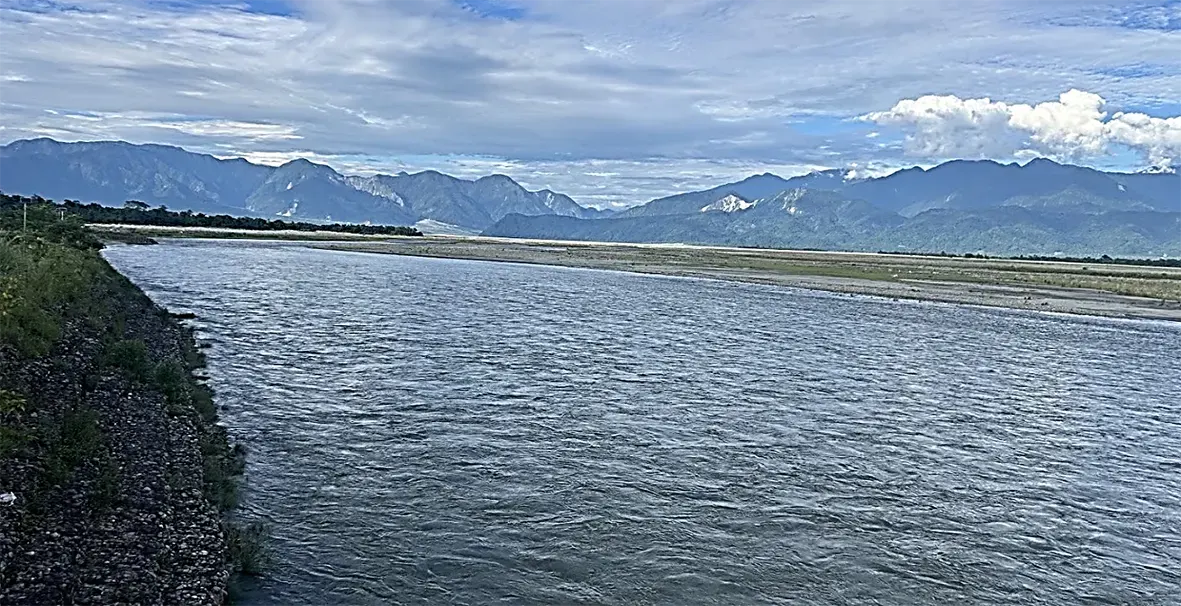
In the high-altitude valleys of Arunachal Pradesh, where the Siang and Dibang rivers roar down from the Himalayas, a battle for survival is quietly unfolding. At its centre stands Bhanu Tatak, a prominent legal adviser, indigenous voice, and grassroots environmental defender.
Tatak has become a symbol of courage, standing shoulder-to-shoulder with communities whose ancestral lands, identity, and very existence are threatened by mega dam projects.
Instead of being celebrated as a guardian of one of the world's most fragile and biodiverse ecosystems, Tatak faces travel restrictions, police cases, and Central Bureau of Investigation (CBI) scrutiny under the Foreign Contribution (Regulation) Act (FCRA). Her plight is a stark indicator of how civil liberties and environmental dissent are being stifled in India's frontier regions. It is time to speak up for Bhanu Tatak and question the reckless logic of unchecked large-scale hydropower.
The myth of 'green' mega dams
For decades, state planners have marketed large hydropower projects as clean, renewable sources of energy necessary for national development. But in the fragile geography of the Eastern Himalayas - a globally recognised biodiversity hotspot - mega dams are anything but green.
Projects like the proposed 12,500-megawatt Siang Upper Multipurpose Project (SUMP) and massive dams in the Dibang Valley carry heavy ecological and social costs:
Ecological catastrophe: Damming rivers alters natural water flows, traps sediment, destroys aquatic habitats, and threatens endangered endemic species. Constructing massive infrastructure in a seismically active zone also poses catastrophic risks to downstream populations.
Mass displacement: Rivers in Arunachal are life support systems for indigenous communities who rely on them for agriculture, fishing, and cultural continuity. Mega dams threaten to submerge ancestral villages, sacred sites, and generational livelihoods, forcing thousands of indigenous people off their lands.
Environmental vulnerability: Tampering with transboundary river systems like the Brahmaputra basin has profound ecological repercussions that extend far beyond local borders, risking irreversible environmental degradation.
Criminalising dissent: The case of Bhanu Tatak
The response to legitimate environmental concerns has increasingly relied on intimidation rather than dialogue. Tatak's ordeal - being barred by immigration authorities from boarding a flight to Ireland for an academic programme, alongside regulatory pressure from the CBI - illustrates a disturbing pattern.
When activists, lawyers, and community organisers speak out, they are frequently met with look-out circulars, legal harassment, and financial investigations designed to drain their resources and silence their advocacy. Labelling grassroots resistance as unlawful or treating international solidarity as a threat is a transparent attempt to criminalise constitutional rights to free speech and environmental protection.
By targeting Bhanu Tatak, authorities hope to send a warning to anyone daring to question the projects. But silencing one voice will not silence a community whose very survival is at stake.
Why we must stand with Tatak and the resistance
Supporting Bhanu Tatak is about standing up for climate justice, human rights, and ecological common sense.
Indigenous rights are non-negotiable: Development cannot happen at the expense of indigenous communities. Free, prior, and informed consent must be the baseline for any project affecting tribal lands.
Rivers need defenders: Rivers have their own intrinsic ecological value. When activists like Tatak fight for the Siang and Dibang, they are fighting for the water security and ecological balance of future generations.
Democracy requires dissent: A healthy democracy protects its environmental defenders, rather than treating them as criminals. Halting the harassment of Bhanu Tatak is a crucial test of commitment to justice and transparency.
Conclusion
The roaring rivers of Arunachal carry the lifeblood of its people and the history of its indigenous nations. They cannot be bartered away for short-term energy calculations or reckless industrial ambition.
We must stand in solidarity with Bhanu Tatak, demand an end to the legal harassment against her, push for the dropping of politically motivated charges, and call for the suspension of ecologically destructive mega dam projects in the Himalayas. Rivers belong to the earth and the communities that steward them - not to boardroom spreadsheets.
Oten Boli